10 Best Rod Hydraulic Cylinder Options for Your Projects?
In the world of machinery and construction, the Rod Hydraulic Cylinder stands out as a vital component. These cylinders convert hydraulic energy into mechanical energy, enabling various tasks. Whether you are lifting heavy loads or pushing machinery, these cylinders play a crucial role.
Choosing the right Rod Hydraulic Cylinder can seem overwhelming. With numerous options available, it's essential to evaluate each one carefully. Consider aspects like load capacity, durability, and compatibility with equipment. A poorly chosen cylinder might lead to inefficiency or even project failure.
In this guide, we present the ten best Rod Hydraulic Cylinder options for your projects. Each option has unique features, making them suitable for different applications. Understanding these differences can help you make an informed decision.
Types of Rod Hydraulic Cylinders: An Overview of Options
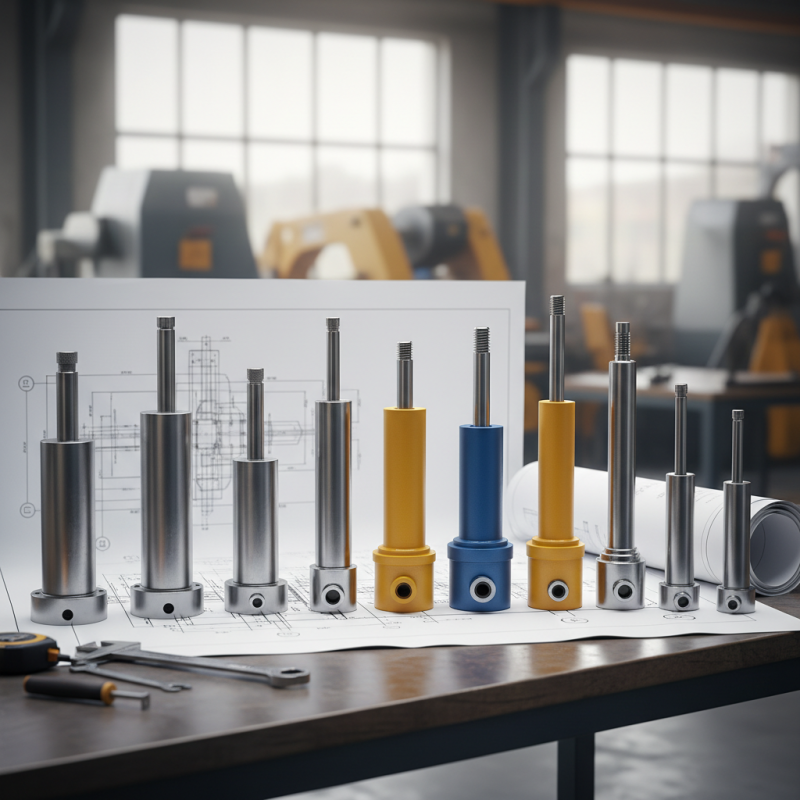
Hydraulic cylinders are essential for many projects. Understanding the types available helps in selecting the right one. Rod hydraulic cylinders are popular for their versatility and strength. They consist of a cylinder barrel, rod, and piston. This simple design allows for powerful linear motion.
There are several types of rod hydraulic cylinders. Standard cylinders offer reliable performance for general tasks. Double-acting cylinders allow movement in both directions. This feature is useful for more complex applications. Tie rod cylinders are particularly sturdy. They are suitable for harsh environments, as their design withstands considerable pressure.
Tip: Choose the right size for your project to avoid wasting resources. Oversized cylinders can lead to inefficiencies. Keep in mind that maintenance is key. Regular checks can extend the life of your hydraulic systems. Neglecting this aspect can lead to costly repairs or replacements.
Another thing to reflect on is the environment your cylinder will operate in. Rust and wear can significantly affect functionality. Consider protective coatings or seals to enhance durability. Each choice impacts efficiency and project outcomes. Aim for a balance between durability and function.
Best Rod Hydraulic Cylinder Options for Your Projects
Key Features to Consider When Selecting a Rod Hydraulic Cylinder
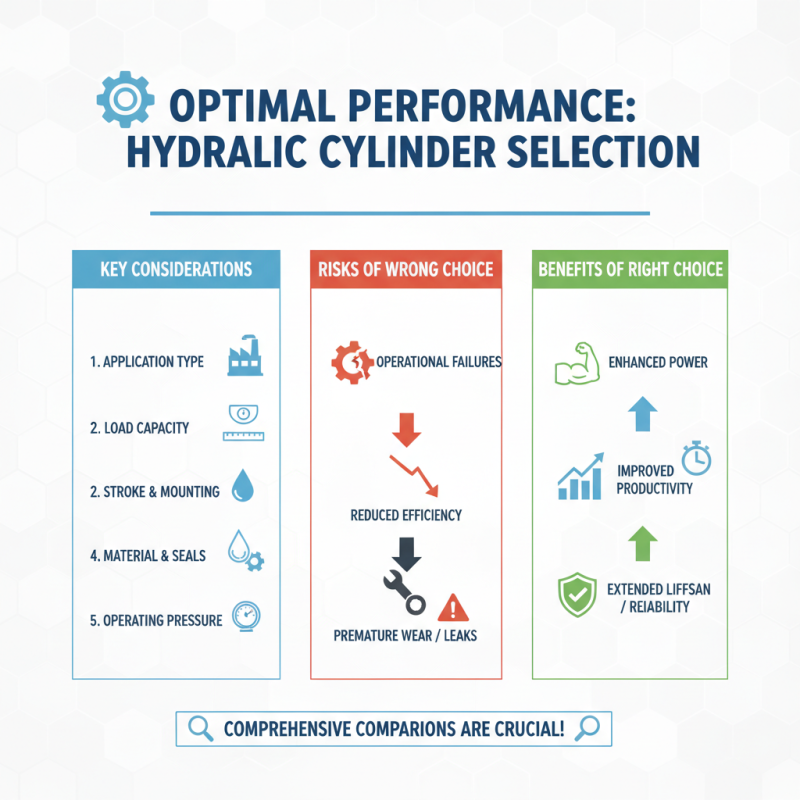
When selecting a rod hydraulic cylinder, several key features should be considered. First, the cylinder's bore size directly affects its power and efficiency. A larger bore provides more force, but may also increase weight. It's crucial to balance strength with project requirements. Consider stroke length as well. This determines how far the cylinder can move. Ensure it's adequate for your specific application.
Material choice is another essential factor. Rod hydraulic cylinders are typically made of steel or aluminum. Steel offers high durability and resistance, while aluminum is lighter. Assess the environment where the cylinder will operate. Will it face corrosive conditions? Think about seals. Quality seals can prevent leaks and prolong lifespan. Poor sealing can lead to failures and costly repairs.
**Tips:** Always review the maximum pressure ratings. Exceeding them can be dangerous. Take note of mounting style as well. Compatibility with existing equipment is vital. Consider the intended use; some applications may require specific adaptations. Test different models if possible, to find the best fit for your project. A hands-on approach often reveals insights that specifications cannot provide.
Top 10 Rod Hydraulic Cylinder Models for Versatile Applications
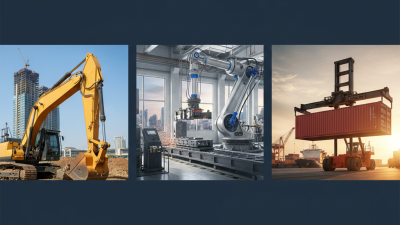
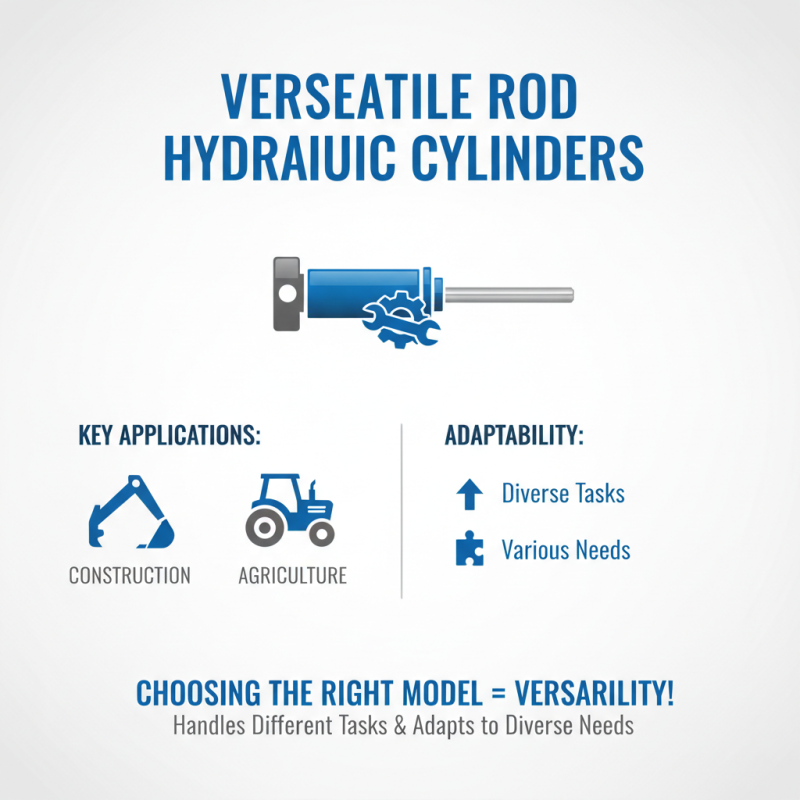
When choosing rod hydraulic cylinders, versatility is key. These cylinders are used in various projects, from construction to agriculture. They can handle different tasks and adapt to diverse needs. However, selecting the right model can be challenging. Some may find the options overwhelming.
One popular type features a compact design, perfect for tight spaces. These models allow for precise control, even in delicate operations. Others are designed for heavy-duty use. They excel in lifting and pushing applications, demonstrating strength and durability. Users often need to consider the operating pressure and stroke length. These factors impact performance and efficiency significantly.
Many cylinders now offer advanced sealing systems. This development increases their longevity and reliability. However, not all cylinders are created equal. Some might have issues under extreme conditions. Users should reflect on their specific needs. Matching the right cylinder to the project's requirements is crucial. Each model presents advantages and drawbacks, making informed choices essential for success.
Maintenance Tips for Maximizing the Lifespan of Hydraulic Cylinders
Maintaining hydraulic cylinders is crucial for their longevity. Proper care can prevent costly repairs. Start by regularly checking the cylinder's seals. Worn seals can lead to leaks, reducing performance. Inspect the cylinder for debris and contaminants. Keep the area clean to minimize wear.
Lubrication is essential. Use the right lubricant based on the application. Too much or too little grease can cause issues. Regularly replace the oil in the hydraulic system. Old oil can degrade components and shorten lifespan.
Temperature fluctuations can also affect performance. Protect hydraulic cylinders from extreme temperatures. Insulation can help maintain optimal conditions. Always monitor for unusual sounds during operation. These can indicate underlying problems. Listening and observing can save you time and money.
10 Best Rod Hydraulic Cylinder Options for Your Projects
| Cylinder Type |
Stroke Length (inches) |
Bore Size (inches) |
Max Pressure (PSI) |
Weight (lbs) |
Typical Applications |
| Double-Acting Cylinder |
24 |
3 |
3000 |
50 |
Construction Equipment |
| Single-Acting Cylinder |
12 |
2 |
1500 |
30 |
Automotive Repair |
| Tie Rod Cylinder |
18 |
4 |
2000 |
40 |
Machinery |
| Plunger Cylinder |
6 |
1.5 |
1500 |
20 |
Agricultural Equipment |
| Heavy-Duty Cylinder |
36 |
5 |
3500 |
70 |
Industrial Purpose |

 +86-13349293098
 Contact WhatsApp
 Contact Email