What Is the Best Rod End Cylinder Type in 2026?
Choosing the best Rod End Cylinder in 2026 starts with the job, not the catalog photo. A compact pneumatic cylinder may suit a light positioning task, while a hydraulic model may deliver the force needed for heavier equipment. Neither is automatically better. The right choice depends on required force, stroke length, operating pressure, speed, duty cycle, and available space. Small details matter. A few millimeters of misalignment can increase wear and shorten service life.
This guide compares common cylinder types and rod-end configurations using practical selection criteria. Check the manufacturer’s rated pressure, allowable side load, seal materials, rod finish, and mounting dimensions before comparing price. A rod end that permits articulation can help accommodate movement, but it cannot make an unsuitable installation safe. Measure the actual operating envelope, including the cylinder’s full extension and retraction. Then consider dust, moisture, temperature, and maintenance access. These conditions often decide performance more than a headline force rating.
There is no universal winner. That is the honest answer. Product names and specifications can also vary between manufacturers, so confirm what each listing means. A datasheet is useful, but it may not show every real-world constraint. If loads fluctuate or alignment is uncertain, ask a qualified supplier or engineer to verify the selection. This comparison will help narrow the options, explain key trade-offs, and identify what to check before purchase. It is a starting point, not a substitute for application-specific review.
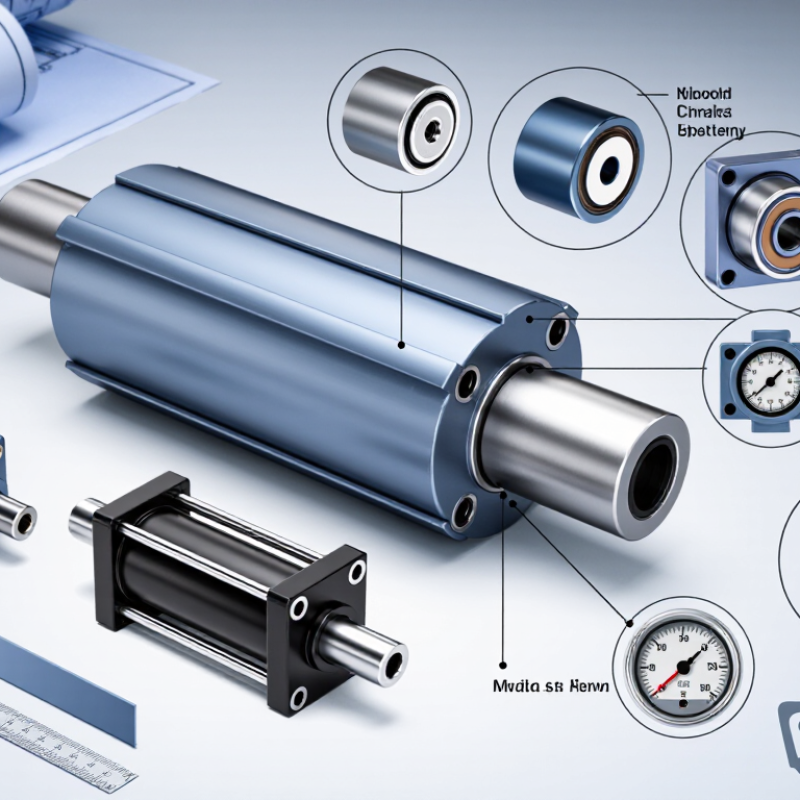
What a Rod End Cylinder Is and How It Works
What Is the Best Rod End Cylinder Type in 2026?
What a Rod End Cylinder Is and How It Works
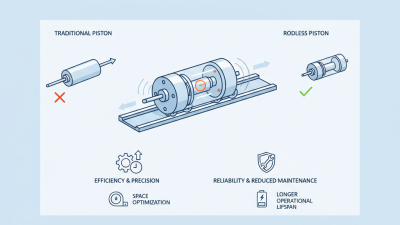
A rod end cylinder converts fluid pressure into straight-line movement. Inside its barrel, pressure moves a piston, which pushes or pulls the attached rod. Hydraulic cylinders use oil; pneumatic versions use compressed air. The rod end is the connection point between the rod and the moving load. It may include a spherical bearing that allows limited angular movement when the load shifts slightly. That small detail matters.
The term “rod end cylinder” is sometimes used loosely, so check what a supplier means before comparing designs. A spherical rod end can help accommodate minor misalignment, but it cannot correct a poorly supported load or excessive side force. In practice, a bent bracket or uneven mounting surface can shorten service life. The right choice depends on force, stroke, operating pressure, space, and how the cylinder will be mounted. There isn’t one best type for every machine.
Tips: Measure the pin diameter and available swing angle. Check the rated load and mounting dimensions, too. Leave room for maintenance. A detail can be easy to miss. If movement feels rough during a trial fit, pause and check alignment before applying full pressure.
What Is the Best Rod End Cylinder Type in 2026? — What a Rod End Cylinder Is and How It Works
| Rod-End Type |
How It Connects |
Movement and Alignment |
Main Benefits |
Limitations |
Best Suited For |
| Threaded rod end |
A male or female thread connects the piston rod to a mating component or attachment. |
Usually provides a rigid connection. Any permitted rotation or adjustment depends on the attached hardware. |
Compact, straightforward to install, and allows the attached component’s position to be adjusted by thread engagement. |
Does not inherently accommodate angular misalignment. Side loading can increase wear and damage the rod or seals. |
Well-aligned mechanisms where the load path is controlled and a simple, adjustable connection is needed. |
| Spherical rod end |
A spherical plain bearing or spherical joint is fitted at the rod end and secured with a pin or mating fastener. |
Allows limited angular movement in multiple directions, within the joint’s specified range. |
Helps accommodate small alignment changes as a mechanism moves and can reduce binding caused by minor misalignment. |
Has a finite misalignment range and may require lubrication or periodic inspection, depending on its bearing design. It is not a substitute for a linear guide. |
Linkages with changing angles, provided the joint’s load rating and angular range suit the application. |
| Clevis rod end |
Two parallel clevis ears connect to a mating bracket with a pin. |
Typically pivots around the pin in one plane; the exact motion depends on the joint and bracket geometry. |
Creates a simple pinned connection that is easy to assemble and inspect. |
Provides limited freedom outside the pin’s pivot plane. The pin, ears, and bracket must be sized for the applied loads. |
Applications requiring a defined pivot, such as hinged gates, linkages, and reciprocating mechanisms. |
| Eye or pin-type rod end |
A circular eye connects to a mating lug or bracket using a pin or bolt. |
Generally pivots around the pin axis. A plain eye does not automatically provide multi-directional misalignment. |
Offers a compact, familiar pinned connection with a simple load path when properly aligned. |
Angular freedom depends on the eye and mating hardware. Clearance, bearing pressure, and pin retention need consideration. |
Single-axis pivoting connections with a suitable mating pin and controlled alignment. |
| Best choice depends on the application |
Match the rod-end connection to the cylinder, mating bracket, pin or thread, and installation space. |
Check required travel, pivot direction, angular misalignment, and whether the cylinder needs to push, pull, or both. |
A correctly matched end connection supports the intended motion and helps avoid unwanted side loads. |
There is no universally best type. A rod-end fitting does not increase the cylinder’s rated force or correct poor alignment by itself. |
Use a threaded end for a rigid, aligned connection; a spherical end for limited multi-directional misalignment; or a clevis or eye for a defined pinned pivot. |
How a rod-end cylinder works: Pressurized air or hydraulic fluid moves a piston inside the cylinder barrel, extending or retracting the piston rod. The rod-end fitting transfers that motion to the connected mechanism. The fitting type describes the rod’s connection—not whether the cylinder is single-acting or double-acting. Select components using the cylinder’s rated pressure and load, rod-end and pin ratings, required stroke, alignment, and the applicable manufacturer’s specifications.
The Main Rod End Cylinder Types Available in 2026
What Is the Best Rod End Cylinder Type in 2026?
The Main Rod End Cylinder Types Available in 2026
Rod-end choices usually come down to how the cylinder connects to the load. A male-threaded end screws into a compatible component. A female-threaded end accepts a rod or fitting. Both suit compact, straight-line setups, but thread size and engagement length must match the expected force. Small mismatch, big headache.
For movement that changes angle, a spherical rod end can accommodate misalignment and reduce side loading. A clevis end uses a pin between two mounting ears; it is simple to inspect and replace. Fixed threaded ends are often better where the load path stays aligned. In practice, the “best” type depends on travel, load direction, available space, and maintenance access—not just cylinder bore.
Market growth offers context, not a selection rule. Grand View Research’s Hydraulic Cylinder Market Size, Share & Trends Analysis Report estimated the global market at USD 15.2 billion in 2023 and projected 4.3% annual growth from 2024 to 2030. That points to broad demand, but does not rank rod-end designs. For dimensional checks, ISO 6020-2:2015 covers mounting dimensions for compact hydraulic cylinders. Verify the actual rod-end interface and operating loads with the cylinder supplier; standards do not resolve every real-world fit.
What Is the Best Rod End Cylinder Type in 2026?
The best rod end depends on alignment, movement, and load. This qualitative comparison shows typical pivot and misalignment capability; it is not a standardized performance rating.
How to read this chart: A higher score indicates greater typical freedom to accommodate angular movement. Spherical-bearing ends generally allow more misalignment, while rigid ends allow little or none. Actual movement and load capacity vary by design and manufacturer; check the cylinder specifications for your application.
Key Factors for Comparing Cylinder Types
What Is the Best Rod End Cylinder Type in 2026?
Key Factors for Comparing Cylinder Types
The right cylinder depends on pressure, stroke length, mounting space, and expected cycle rate. Tie-rod cylinders are often easier to service because their construction allows access to internal parts. Welded-body cylinders have a compact profile, which can suit tight machine layouts. Neither design is automatically better. Compare the actual operating conditions, not just the catalog dimensions.
Pay close attention to the rod-end connection. A clevis end allows pivoting in one plane, while a spherical bearing can accommodate movement in multiple directions. A threaded rod end is simple to install, but it needs secure locking and accurate alignment. Small misalignments matter. They can create side loads, accelerate seal wear, and shorten service life. I would check the linkage through its full stroke, not only at rest; that detail is easy to miss.
Also compare rated pressure, rod diameter, cushioning, seal compatibility, and replacement-part availability. For a dusty shop, ask how the rod and seals handle contamination. For frequent cycling, review heat buildup and the manufacturer’s stated duty limits. A larger cylinder may look reassuring, yet it can add weight and slow the mechanism. Leave room for real-world variation, too: loads rarely behave as neatly as a drawing suggests.
How Applications Determine the Best Cylinder Type
The best rod-end cylinder type in 2026 depends on the work, not a general ranking.
Start with required force, stroke, speed, duty cycle, and available pressure. A useful first estimate is force equals pressure multiplied by piston area; check actual pressure at the cylinder, not only the compressor or pump rating. Small loads? Air may fit. Pneumatic cylinders suit many fast, clean, lighter-duty tasks. For context, the U.S. Department of Energy’s Improving Compressed Air System Performance sourcebook estimates compressed air uses about 10% of industrial electricity, and can exceed 30% at some facilities. That makes leaks and oversized air systems more than minor details.
Hydraulic cylinders are often a better fit for high forces, heavy loads, or controlled movement under sustained pressure. They also bring fluid, heat, and maintenance considerations. Still, that rule is not universal: cycle speed, available power, and the surrounding equipment can change the choice. A compact machine may favor a short-stroke design, while a long-stroke application needs careful checks for rod buckling and mounting loads.
Then match construction and rod-end connection to the installation. Tie-rod cylinders can simplify servicing; welded bodies may suit compact, demanding layouts. A spherical rod-end bearing can accommodate some angular misalignment, but it does not erase excessive side load. Check alignment through the full stroke, including the awkward end positions. A small clearance issue can become a recurring failure. Use applicable dimensional standards, such as ISO 15552 for many pneumatic cylinders, and confirm the cylinder’s ratings against real operating conditions.
Performance, Maintenance, and Cost Considerations for 2026
What Is the Best Rod End Cylinder Type in 2026?
The right rod end depends on load direction, alignment, and how often the cylinder cycles. A spherical rod end accommodates modest angular movement, making it useful when connected parts do not follow a perfectly straight path. It does not eliminate harmful side loading. A clevis end offers a simple pivot for a fixed pin, while a threaded end allows straightforward adjustment. Check the required stroke, pin size, and available installation space before choosing.
Tips: Inspect the rod end for looseness, corrosion, and uneven wear. Keep pins aligned and lubricate components when the manufacturer specifies it. A small amount of play can become a costly problem.
Maintenance and total cost matter as much as initial performance. Spherical joints may need periodic lubrication or replacement, depending on their design and operating environment. Clevis joints are often simple to inspect, but worn pins can create noise and impact loads. Sealed ends can reduce exposure to dust, though no seal lasts forever. Compare service access, replacement-part availability, and expected cycle rates—not just the purchase price. In practice, the cheapest option can work well, but only when the mounting geometry is right. That is easy to overlook.

 +86-13349293098
 Contact WhatsApp
 Contact Email