2026 Best Rod Hydraulic Cylinder for Global Buyers?
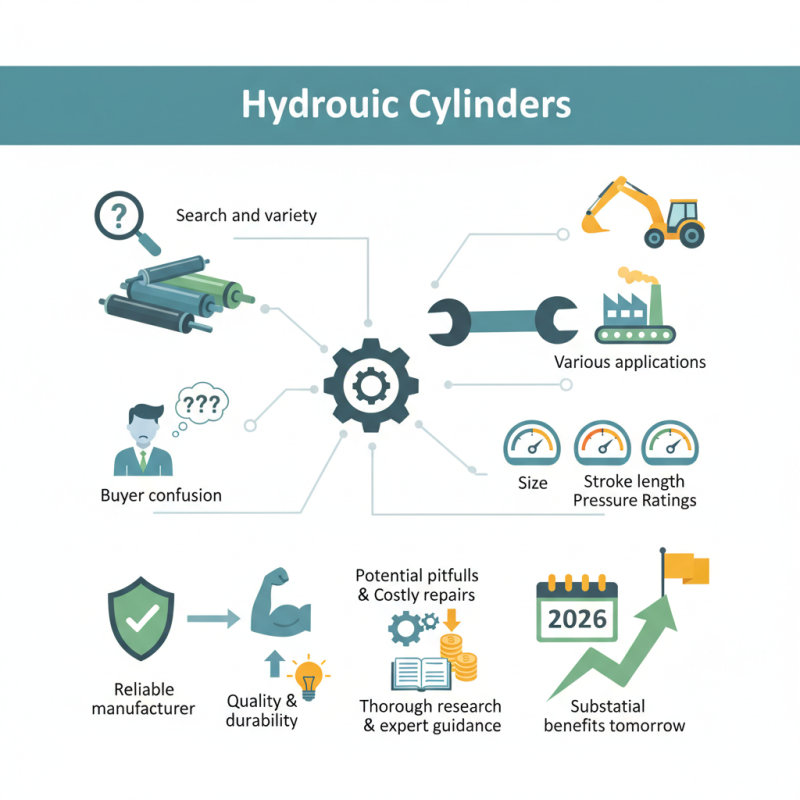
In the ever-evolving world of machinery, the search for the best Rod Hydraulic Cylinder often poses challenges. The right cylinder can enhance performance and ensure efficiency. Many buyers face confusion due to the wide variety of options available in the market. Understanding the specifications is crucial.
Rod Hydraulic Cylinders are vital in various applications. They power construction equipment, manufacturing machines, and agricultural tools. Buyers need to consider size, stroke length, and pressure ratings. Each detail counts. Moreover, choosing a reliable manufacturer is essential. Quality influences durability and overall performance.
However, not all buyers are aware of potential pitfalls. Misjudging the required specifications can lead to inefficiencies. Investing in subpar products may result in costly repairs. Thus, thorough research and expert guidance are pivotal. The right choices today can lead to substantial benefits tomorrow.
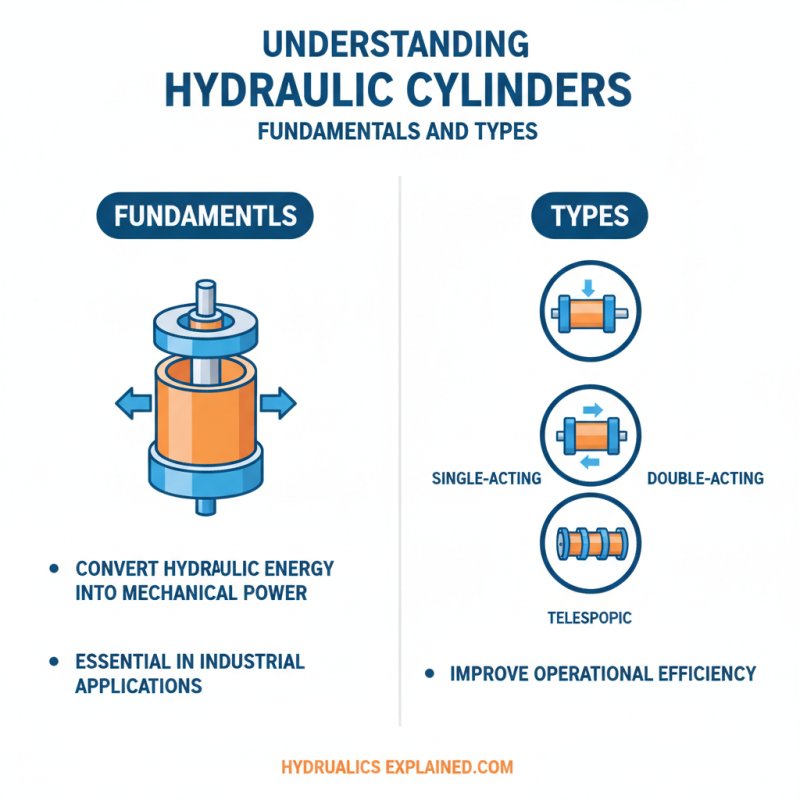
Understanding Hydraulic Cylinders: Fundamentals and Types
Hydraulic cylinders are essential components in various industrial applications. They convert hydraulic energy into mechanical power. Understanding their fundamentals and types can significantly enhance operational efficiency.
There are several types of hydraulic cylinders, including single-acting, double-acting, and telescopic cylinders. Single-acting cylinders apply force in one direction, while double-acting cylinders offer versatility with movement in both directions. A report from the International Fluid Power Society highlights that double-acting cylinders represent over 60% of the market due to their efficiency in dynamic applications. Telescopic cylinders, which feature multiple nested cylinders, are often used in applications requiring a longer stroke from a compact design. They are common in mobile equipment and material handling systems.
However, choosing the right type requires careful consideration. Not all cylinders perform well under every condition. Factors like load, stroke length, and application type must be evaluated. A 2022 study published in the Journal of Hydraulic Engineering indicates that improper cylinder selection can lead to decreased efficiency and increased wear. Buyers benefit from consulting industry expertise to avoid costly mistakes and ensure optimal performance.
Key Features of Rod Hydraulic Cylinders for Global Markets
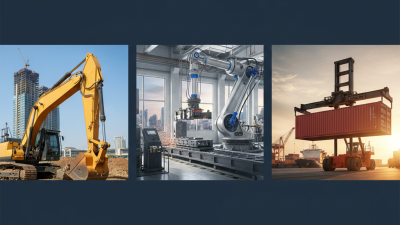
Rod hydraulic cylinders are crucial in various industries. They are used in construction, manufacturing, and agriculture. According to the International Hydraulic Association, the global hydraulic cylinder market was valued at approximately $10 billion in 2022. This figure is projected to grow at a CAGR of 5% through 2026. Such data highlights their importance for global buyers.
Key features of rod hydraulic cylinders include durability, efficiency, and versatility. High-quality materials improve lifespan and reduce maintenance costs. ISO standards play a significant role in ensuring reliability across different applications. For instance, the use of chrome-plated rods can enhance resistance to corrosion. However, not all products meet these industry benchmarks, leading to a wide variance in quality.
In the current market, customization is vital. Buyers often seek cylinders tailored to specific applications. Some manufacturers offer extensive customization options, which can create complexity in selection. This may lead to confusion for buyers who may not fully understand their needs. Balancing cost and quality remains a challenge for many. Properly assessing these features can greatly impact operational efficiency.
2026 Best Rod Hydraulic Cylinder for Global Buyers
| Feature |
Description |
Importance |
| Material |
High-strength steel or aluminum |
Durability and strength |
| Seal Type |
Single or double lip seals |
Leak prevention and longevity |
| Bore Size |
Standard options from 25mm to 250mm |
Compatibility with various applications |
| Stroke Length |
Customizable, typically up to 2000mm |
Flexible use cases |
| Pressure Rating |
Up to 350 bar or higher |
Safety and efficiency in operation |
| Mounting Options |
Variety of mounts including clevis, flange, and pivot |
Installation versatility |
| Finish |
Corrosion-resistant coatings
such as chromeplating or painting |
Increased lifespan in harsh environments |
Top Manufacturers of Rod Hydraulic Cylinders in 2026
In 2026, the demand for rod hydraulic cylinders continues to rise across various industries. These components are essential for machinery in construction, agriculture, and manufacturing. Reports indicate that the global market for hydraulic cylinders is projected to grow at a compound annual growth rate (CAGR) of 6.5%, driven by advancements in technology and increasing machinery efficiency.
Key manufacturers have established themselves as leaders by focusing on innovation. Many companies are investing heavily in research and development. This effort has led to improved hydraulic performance and reliability. However, challenges remain. Some manufacturers struggle with supply chain disruptions. Material shortages can impact production capacity and delivery times.
The emphasis on sustainability is becoming apparent. Environmentally-friendly production methods are gaining traction. Responding to these trends is crucial for manufacturers. They need to adapt or risk falling behind. Keeping abreast of regulatory changes is vital for compliance. Ultimately, the landscape of rod hydraulic cylinder manufacturing is evolving rapidly, marking an exciting, yet challenging, period for the industry.
Tips for Selecting the Best Rod Hydraulic Cylinder for Your Needs
When choosing a rod hydraulic cylinder, understanding your specific needs is vital. According to a recent industry report, around 40% of machinery failures are linked to incorrect cylinder selection. Selecting the right size and type can significantly enhance performance and longevity. Analyze your system's requirements before making a purchase.
Consider the stroke length and bore size. Various applications demand different specifications. For instance, the construction sector often requires larger cylinders with higher pressure ratings. A cylinder rated for 2500 PSI might be perfect for heavy equipment. However, using it in lighter applications may lead to unnecessary wear and inefficiency.
Material selection also impacts the cylinder's durability. Steel is common, but in corrosive environments, aluminum might be preferred. Additionally, seals should match the operating conditions. A mismatched seal can lead to failures, which represents considerable downtime costs. Regular maintenance and checks can prevent these issues. Quality data from organizations like the International Society of Automation indicates that well-maintained cylinders operate at 95% efficiency, highlighting the importance of proactive care.
2026 Best Rod Hydraulic Cylinder Performance Comparison
Future Trends in Rod Hydraulic Cylinder Technology and Applications
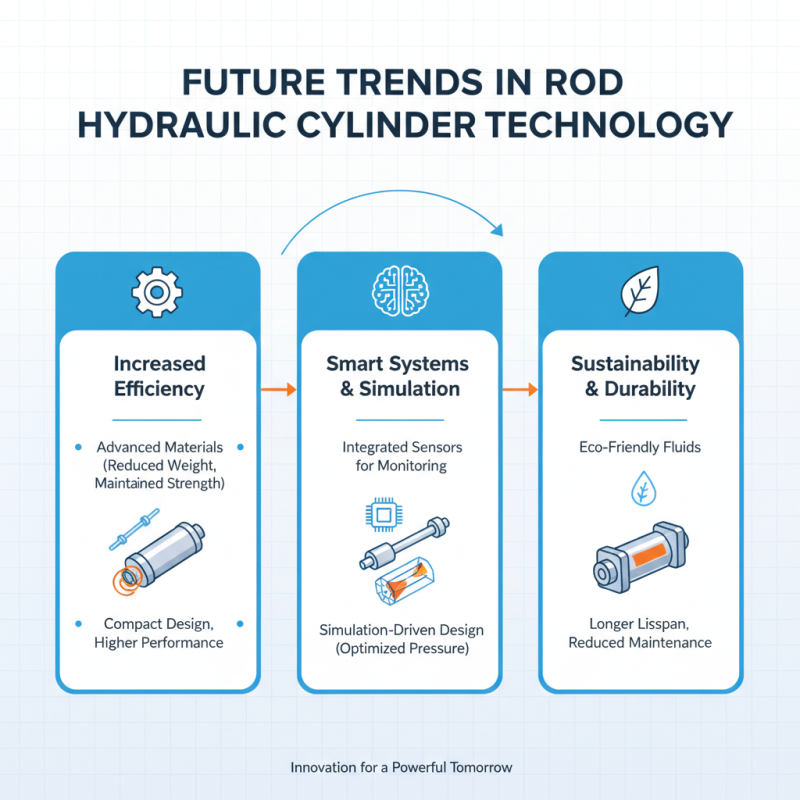
As rod hydraulic cylinder technology evolves, several trends emerge that shape its future. Increased efficiency is a primary focus. Manufacturers are exploring advanced materials that reduce weight while maintaining strength. This shift allows for higher performance in compact spaces. Many companies are investing in simulations to design cylinders that work more effectively under pressure.
Another trend is the integration of smart technology. Sensors within hydraulic cylinders provide real-time data on performance and maintenance needs. This innovation can minimize unexpected breakdowns and increase operational uptime. However, reliance on technology poses challenges as well. Data security and system failures must be addressed.
Sustainability is also becoming paramount. Efforts to develop eco-friendly hydraulic fluids are on the rise, promoting safer operations. Yet, achieving environmental goals requires collaboration across industries. Stakeholders must balance innovation with reality. The quest for better materials and technologies will continue, but the journey will not be without its obstacles.

 +86-13349293098
 Contact WhatsApp
 Contact Email