+86-13349293098


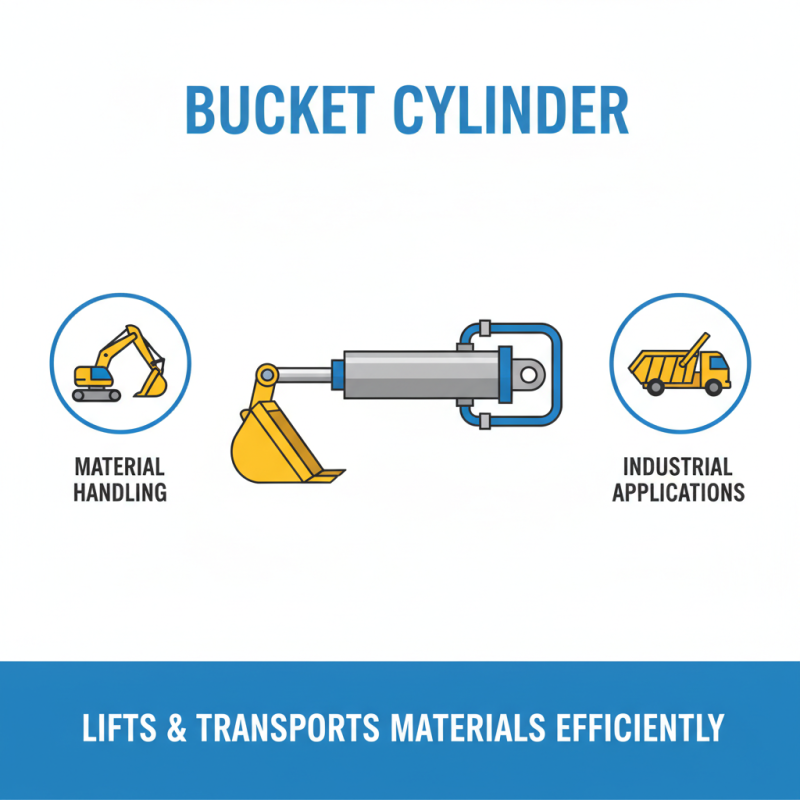
The Bucket Cylinder is an essential component used in various machinery. It plays a crucial role in systems that require lifting or moving materials. Typically seen in applications like excavators, it operates by creating a vacuum or pressure change to manipulate a bucket or similar device.
Understanding how a Bucket Cylinder functions can reveal its importance in engineering. The mechanism allows for precise control, enabling it to tackle heavy loads. However, not everyone recognizes its complexities. Users might overlook maintenance needs, resulting in operational inefficiencies. This oversight can lead to unexpected breakdowns, reminding us that simplicity often hides deeper challenges.
In the world of heavy equipment, the Bucket Cylinder stands as a powerful yet sometimes misunderstood device. Its unique design combines hydraulic principles with mechanical engineering. Although it appears straightforward, the nuances of its operation invite more questions than answers, encouraging continuous learning and improvement in its applications.
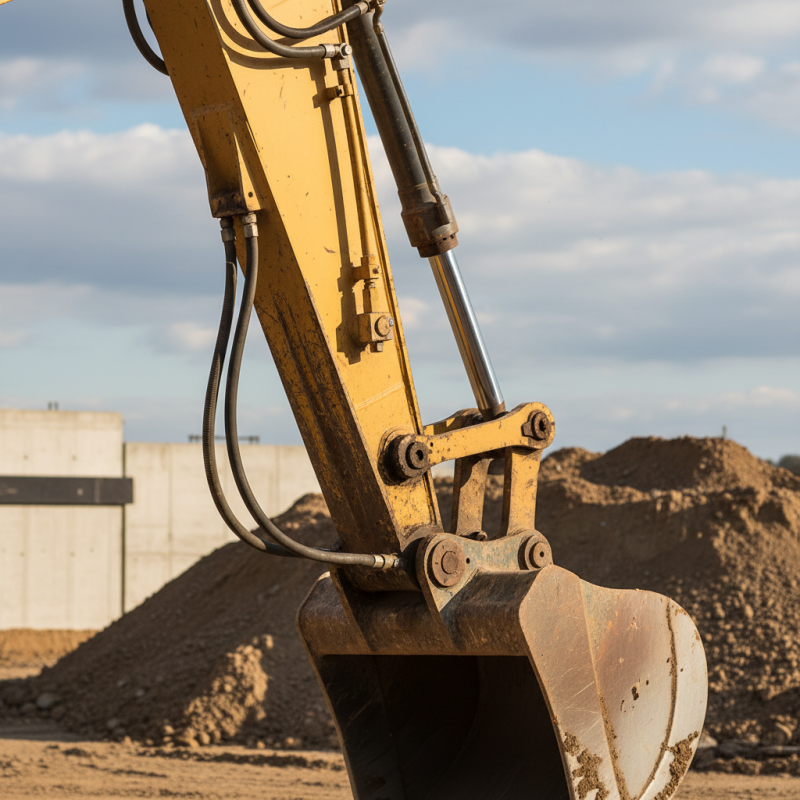
A bucket cylinder is a common component found in various industrial applications. It plays a crucial role in material handling. This device typically consists of a cylindrical body equipped with a bucket or a scoop on one end. The design allows it to lift and transport materials efficiently. Bucket cylinders are often seen in construction and waste management.
Tips: When selecting a bucket cylinder, consider the load capacity. The size of the bucket is equally important. It should match the type of materials you plan to handle. Also, check the lifting mechanism. Some might experience issues under heavy loads, which can be a safety concern.
Operational efficiency is vital. Regular maintenance helps in prolonging the lifespan of the bucket cylinder. Inspect for wear and tear routinely. Signs of damage can lead to accidents. A neglected cylinder might fail when you least expect it. Being proactive with repairs can save resources in the long run.

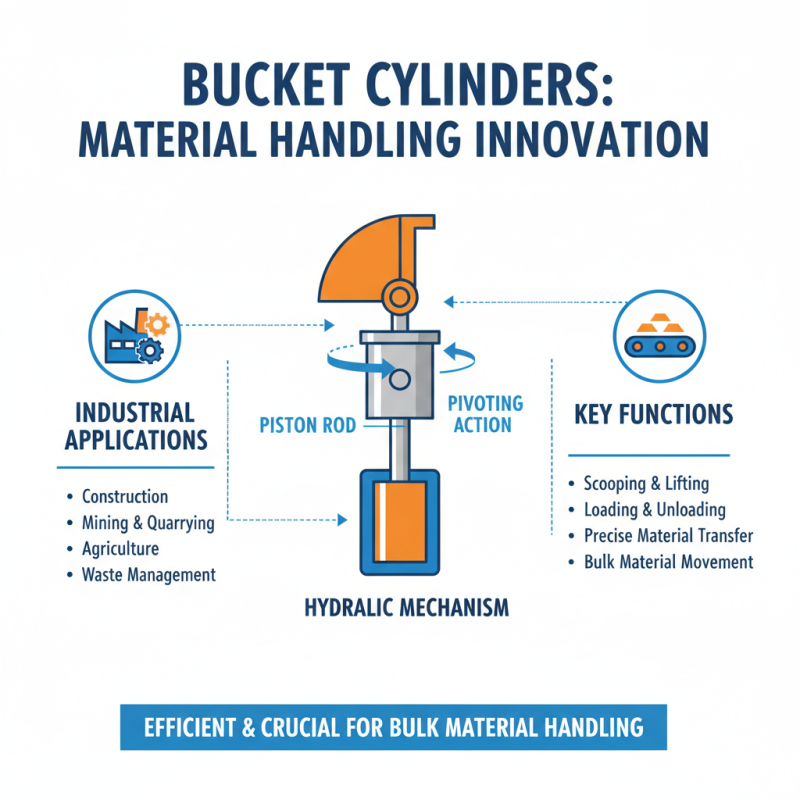
A bucket cylinder is an essential component in various hydraulic systems. It consists of several key parts that contribute to its efficient operation. These include the cylinder body, piston, and seals. The cylinder body is typically made from strong materials to withstand high pressure. It encases the piston, which moves within it to create force.
The piston is the heart of the bucket cylinder. It translates hydraulic fluid pressure into mechanical work. A well-designed piston should minimize friction while maximizing efficiency. Seals play a crucial role in maintaining pressure and preventing leaks. These components can wear over time, leading to inefficiencies.
Regular maintenance and inspection of seals are imperative for optimal function.
In addition to these parts, proper alignment and installation are vital. Misalignment can lead to uneven wear and potential failure. This highlights the importance of attention to detail during setup. Maintaining a bucket cylinder is not just about the individual parts; it involves understanding their interactions and potential weaknesses.
A small oversight can lead to significant challenges down the line.
Bucket cylinders are essential components in various industries, serving multiple functions, particularly in material handling. Their design allows for efficient movement of bulk materials. Mechanically, bucket cylinders comprise a central shaft surrounded by a bucket, which can pivot to scoop up materials. This action is crucial in sectors where precise handling of loose materials is required.
When analyzing the mechanics of bucket cylinders, forces come into play. The hydraulic system generates pressure, enabling the bucket to lift heavy loads. According to a report by the International Association of Hydraulic Engineering, hydraulic systems are up to 85% more efficient than traditional mechanical systems. However, an area of concern is maintenance; wear and tear can compromise performance. A study indicates that improper maintenance can reduce efficiency by up to 20%, emphasizing the need for regular checks.
The mechanical function of these cylinders is straightforward but often overlooked. The simplicity can lead to assumptions about reliability, which is misleading. If not calibrated correctly, the forces can act unpredictably. Reports show that incorrect installation can result in failures, potentially injuring operators. Awareness of these issues is vital for maintaining safety and efficiency in operations.
Bucket cylinders are vital in various industries. Their design allows efficient loading and unloading. They often work in environments where material handling is crucial. This makes them essential for construction, manufacturing, and waste management.
In construction, bucket cylinders help lift heavy materials like concrete and gravel. They facilitate quick movement, reducing downtime. In manufacturing, they automate processes. This increases productivity but sometimes leads to errors. The risk of overloading can cause system failures. Proper training is necessary.
Waste management also relies on bucket cylinders. They aid in compacting materials for transport. This reduces landfill space but raises concerns about environmental impact. Not all applications are seamless. Understanding operational limits is critical for safety. Regular maintenance can prevent catastrophic failures. Adaptation and vigilance are key.
Maintaining bucket cylinders is crucial for their longevity. Regular checks can prevent major issues. Inspect seals for wear and damage. Look for leaks around the cylinder. Fluid levels should be monitored closely. Low levels can lead to overheating.
Tips: Always clean the cylinder before inspection. Dirt can hide critical problems. Use a soft cloth and avoid harsh chemicals. This simple step can improve visibility during checks.
If you notice unusual noises, investigate promptly. Grinding or squeaking sounds may indicate internal damage. Check for obstructions that could impede movement. Listen carefully to how the cylinder operates.
Tips: Keep a maintenance log. Note down when inspections occur and any issues found. This can help identify patterns over time. Reflect on maintenance habits. Are they effective or need adjustments? Understanding these details can enhance overall performance.
This bar chart illustrates key performance metrics for bucket cylinders, including hydraulic pressure, cycle time, load capacity, and maintenance frequency. Understanding these metrics is crucial for effective maintenance and troubleshooting of bucket cylinders.