China Best Slewing Circle Bearing for Global Buyers?
In today's competitive manufacturing landscape, the demand for high-quality Slewing Circle Bearings is steadily rising. Acknowledged expert in the field, Dr. Sarah Liu, states, "The efficiency of machinery heavily relies on the reliability of Slewing Circle Bearings." This emphasizes the pivotal role these components play in various applications, from construction equipment to renewable energy systems.
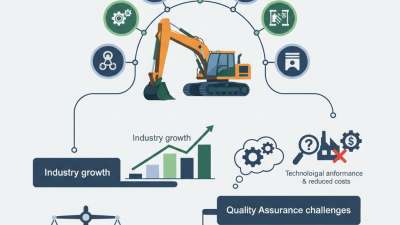
China has emerged as a key player in the Slewing Circle Bearing market, offering innovative designs and advanced manufacturing techniques. The historical craftsmanship combined with modern technology sets a benchmark. However, challenges remain, particularly in quality control and sustainability practices. Many global buyers express concerns about ensuring they are getting the best products available.
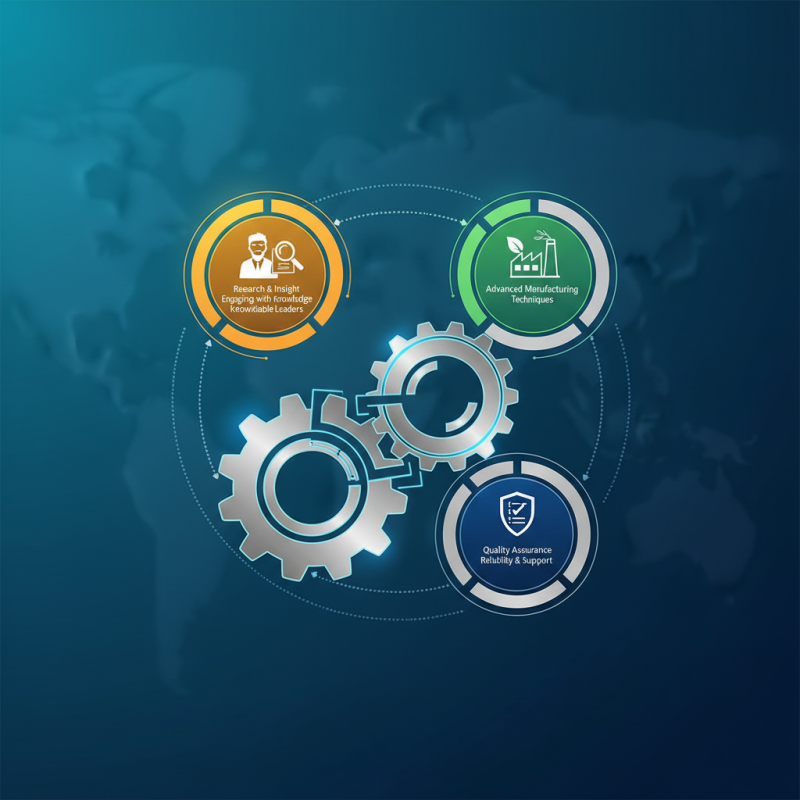
The journey to finding the perfect Slewing Circle Bearing involves research and insight. It's important to evaluate suppliers rigorously, focusing on their quality assurance processes. Buyers need to consider not just price but long-term reliability and support. Engaging with knowledgeable leaders in the industry can provide invaluable guidance.
China's Leading Manufacturers of Slewing Circle Bearings
China is a global leader in manufacturing slewing circle bearings. These components are critical in various industries, including construction, mining, and renewable energy. According to recent market reports, the slewing bearing market is expected to reach over $3 billion by 2026, growing at a CAGR of around 5%. This growth is driven by rising demand in heavy machinery and equipment.
One prominent aspect of China's production is the emphasis on quality and precision. Top manufacturers invest heavily in technology and skilled labor to ensure optimal performance. For instance, the average lifespan of a well-designed slewing bearing can exceed 20 years with proper maintenance. Advanced manufacturing techniques have improved reliability, but some challenges remain, like adapting to rapid market changes.
Tips: Always assess the certifications of manufacturers. Look for ISO 9001 compliance, which indicates a commitment to quality management.
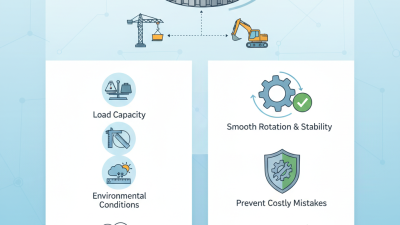
Additionally, understanding load requirements is crucial in selection. Incorrect sizing can lead to premature failure of components. Careful analysis during the procurement process can save costs in the long run. Though China has robust production capabilities, buyers must be diligent in their selections to avoid subpar products. Each decision can significantly impact overall project success.
Key Features and Benefits of Slewing Circle Bearings
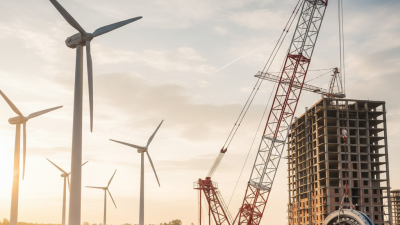
Slewing circle bearings play a crucial role in heavy machinery and various applications. Their ability to support axial loads and provide rotational movement makes them essential in industries ranging from construction to renewable energy. According to a market analysis by Allied Market Research, the slewing bearing market is projected to reach $5.92 billion by 2027, showcasing significant demand.
A key feature of slewing circle bearings is their design flexibility. They come in various sizes and configurations to fit specific needs. They often incorporate inner and outer rings with gear teeth. This design allows for efficient load distribution and torque handling, enhancing the durability of the equipment. Studies have even shown that slewing bearings can achieve operational lifetimes exceeding 20,000 hours under optimal conditions.
However, challenges exist. Factors such as misalignment and inadequate lubrication can lead to premature wear. Maintenance is critical, yet often overlooked. Regular inspections can prevent breakdowns, saving costs in the long run. While the advantages of these bearings are clear, manufacturers must emphasize ongoing education. The complexity of applications necessitates a deeper understanding of their operational needs.
Applications of Slewing Circle Bearings in Various Industries
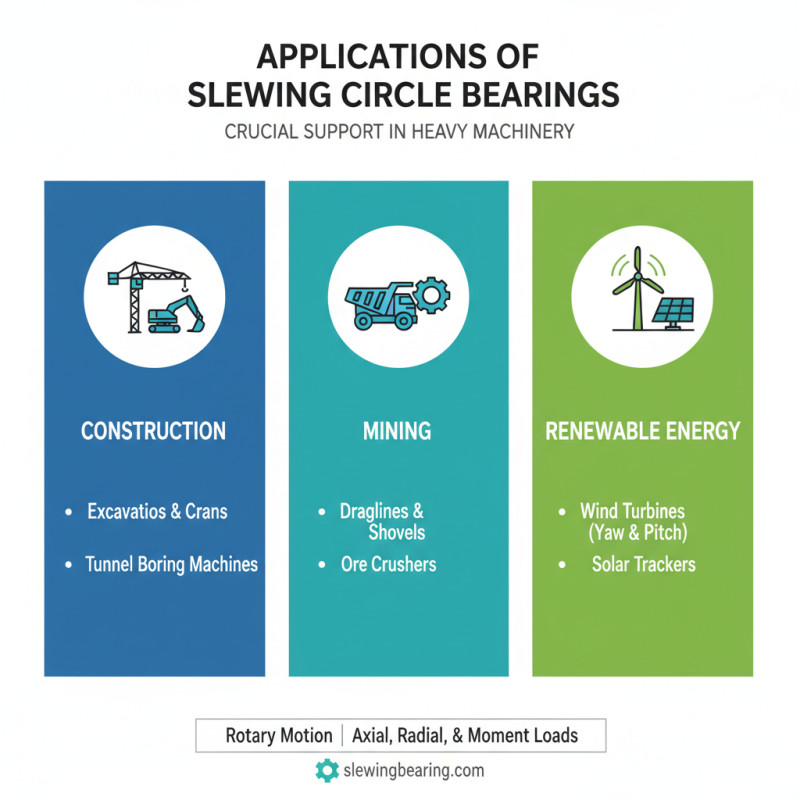
Slewing circle bearings play a vital role in various industries, providing crucial support in heavy machinery and equipment. These bearings allow for rotary movement and can handle axial, radial, and moment loads. Their applications span construction, mining, and renewable energy sectors.
In construction, slewing bearings are essential in cranes and excavators. A report by Research and Markets highlights that the global slewing bearing market is projected to grow at a CAGR of 5.5% from 2021 to 2026. This growth reflects the rising demand for efficient machinery in urban development projects.
Tip: Regular maintenance of slewing bearings is key to prolonging their lifespan. Inspections should include checks for wear, lubrication, and alignment.
In the renewable energy sector, particularly in wind turbines, these bearings enable blades to rotate smoothly. The efficiency of wind turbines can significantly impact energy output. A well-performing slewing bearing can improve the overall efficiency of these systems.
Tip: Consider investing in high-quality lubricants. Proper lubrication reduces friction and enhances performance, especially in high-load applications.
Understanding the applications and maintaining slewing circle bearings can lead to higher efficiency and reliability across industries.
Quality Standards and Certifications for Slewing Circle Bearings in China
Slewing circle bearings are critical components in many industries, including construction, mining, and renewable energy. In China, the production of these bearings meets stringent quality standards. Various certifications ensure that they comply with international norms. Documents like ISO 9001, ISO 14001, and specific industry certifications are common.
According to recent industry reports, around 70% of slewing circle bearings produced in China are exported. This highlights the country's growing reputation for quality. However, quality can vary significantly among manufacturers. Buyers should conduct thorough assessments before making purchasing decisions.
**Tip:** Always request product samples and certifications from manufacturers. This will help verify their compliance with quality standards. Be mindful of suppliers that offer unusually low prices; they may compromise on material quality.
The average lifespan of a slewing circle bearing is about 20,000 hours under normal conditions. Yet, this can drastically change due to poor maintenance practices. Regular inspections and proper lubrication can enhance durability.
**Tip:** Keep a maintenance log to track the performance of your bearings. Understanding wear patterns can prevent unexpected failures. As the market continues to evolve, quality assurance remains paramount for global buyers.
Global Market Trends and Demand for Chinese Slewing Circle Bearings
The global demand for slewing circle bearings has been on the rise. These components play a crucial role in various industries, including construction and renewable energy. Manufacturers worldwide are recognizing the importance of sourcing reliable products that meet their specifications. This trend highlights the need for high-quality bearings.
Chinese manufacturers are increasingly meeting this global demand. Their ability to provide cost-effective solutions has attracted international buyers. However, there can be inconsistencies in quality, which raises concerns. Buyers must conduct thorough research and engage with suppliers who display transparency in their operations.
In the competitive market, understanding trends is essential. The shift towards automation and sustainability is impacting the design and usage of slewing bearings. As industries evolve, the expectations for durability and performance continue to grow. Buyers should be ready to adapt to these changes and consider the long-term implications of their purchasing decisions.
China Best Slewing Circle Bearing for Global Buyers? - Global Market Trends and Demand for Chinese Slewing Circle Bearings
| Bearing Type |
Diameter (mm) |
Load Capacity (kN) |
Market Demand (Units) |
Growth Rate (%) |
| Single Row |
300 |
1500 |
5000 |
4.5 |
| Double Row |
400 |
2000 |
3000 |
3.8 |
| Four Point Contact |
500 |
2500 |
4000 |
5.0 |
| Cross Roller |
600 |
3000 |
2000 |
2.5 |
| Triple Row |
700 |
3500 |
1500 |
3.2 |

 +86-13349293098
 Contact WhatsApp
 Contact Email