How to Choose the Right Compact Hydraulic Cylinder for Your Project?
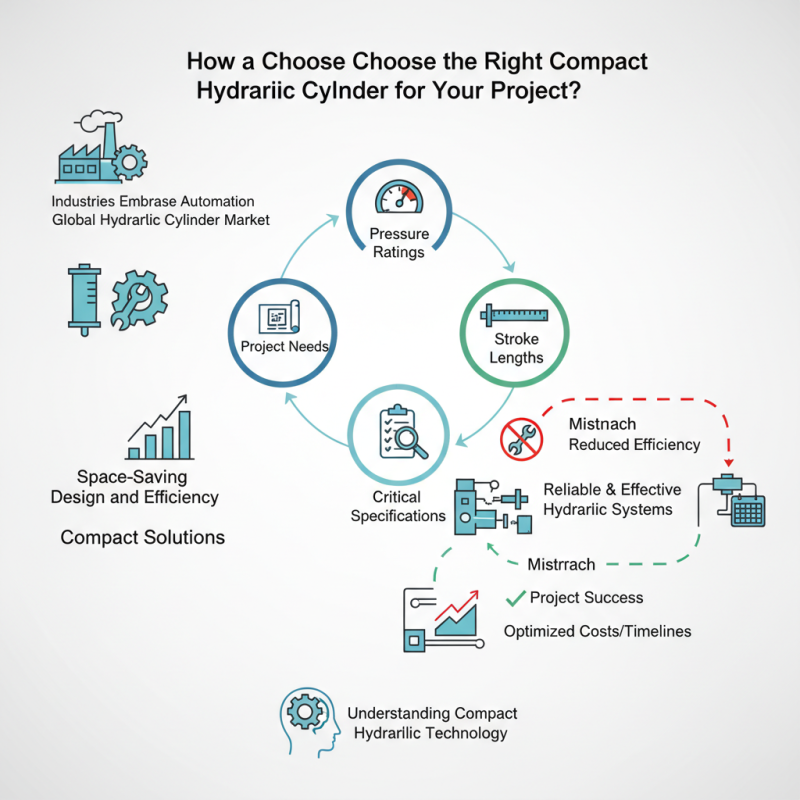
When selecting a Compact Hydraulic Cylinder for your project, it's essential to consider various factors. The global hydraulic cylinder market is projected to reach $16.8 billion by 2025, according to a recent report by Grand View Research. As industries embrace automation, the demand for compact solutions has surged.
Compact Hydraulic Cylinders are favored for their space-saving design and efficiency. In tight applications, these cylinders provide powerful performance without taking up much room. However, many overlook critical specifications like pressure ratings and stroke lengths. A mismatch could lead to system failures or reduced efficiency.
Selecting the right cylinder is not just a matter of performance; it also influences overall project costs and timelines. Projects can face delays or budget overruns when incompatible components are integrated. Thoroughly evaluating your needs will lead to more reliable and effective hydraulic systems. Remember, understanding compact hydraulic technology is crucial for achieving project success.
Understanding the Basic Functionality of Compact Hydraulic Cylinders
Compact hydraulic cylinders play a crucial role in various projects. They convert hydraulic energy into mechanical force, allowing for precise movement. Understanding their functionality helps in selecting the right cylinder for your needs. These cylinders operate by pushing or pulling loads through fluid pressure. They are efficient, compact, and ideal for tight spaces.
Choosing the right size and stroke length is essential. A cylinder that is too small may not provide enough force. Conversely, an oversized cylinder can lead to inefficiency. Carefully assess the load requirements and the space available in your project. Perform calculations to gauge the necessary specifications. Accuracy in these steps is vital.
Tips for selection: Always consider the working environment. For example, high temperatures may affect seal performance. Think about the fluid type and potential contamination. Consistency in fluid quality will enhance cylinder durability. Remember, fittings are equally important. Choose compatible fittings to avoid leaks and ensure system integrity.
Identifying Project Requirements for Hydraulic Cylinder Selection
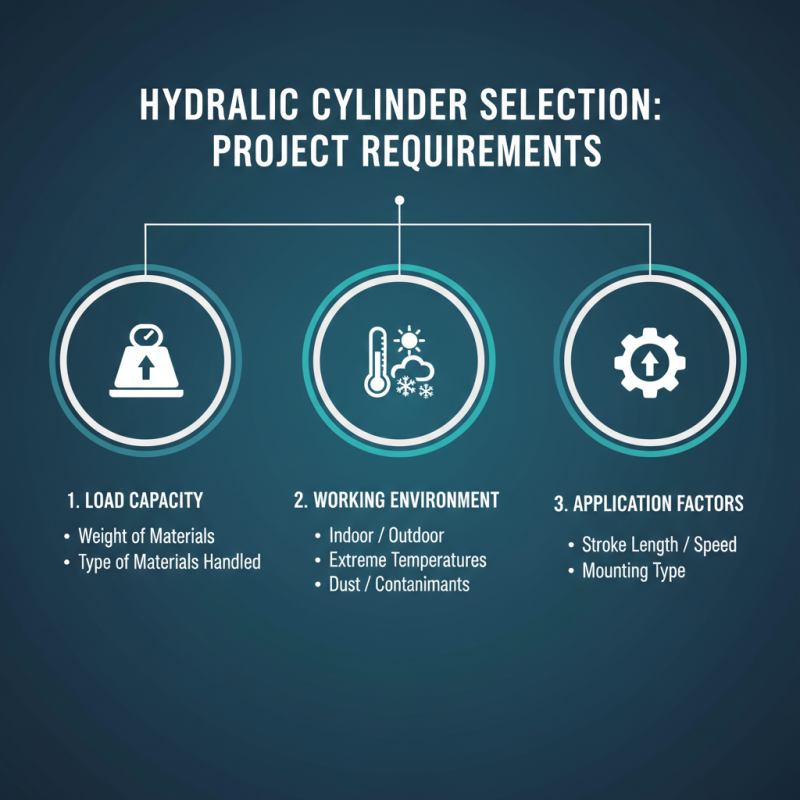
When selecting a compact hydraulic cylinder, it's essential to clearly define your project's requirements. Start by assessing the load capacity needed for your application. This includes the weight and type of materials the cylinder must handle. Consider the working environment, too. Is it indoors or outdoors? Will it face extreme temperatures or dust? Each of these factors influences your choice significantly.
Another critical aspect is the cylinder's stroke length. This is the distance the cylinder needs to move to perform its function. Shorter strokes are often more efficient, but you must ensure they meet your specific application. Additionally, verify the mounting options available. Incorrect mounting can lead to inefficient operation or even failure. Think about the space constraints as well. Compact cylinders can fit into tight spots, but if they're too small, they may not operate effectively.
Don’t forget to evaluate the hydraulic fluid compatibility and the type of seals required. These technical details can greatly impact performance and reliability. Sometimes, the best option might not be obvious. It’s valuable to consult with engineering professionals. They can provide insights that help navigate choices accurately and avoid potential pitfalls. Balancing these details ensures you pick a cylinder that meets all demands effectively.
Evaluating Size and Force Requirements for Your Compact Cylinder
Choosing the right compact hydraulic cylinder requires careful consideration of size and force requirements. Understanding your project's specific needs is crucial for optimal performance. Measure the space where the cylinder will be installed. Compact designs are great for limited areas. Ensure the selected cylinder fits well within the machinery layout.
Evaluating force requirements is equally important. Determine the load the cylinder must handle. Consider dynamics versus static loads. Make calculations based on the cylinder's stroke length and working pressure. This will help you achieve the necessary force output. Exact values matter here. Underestimating can lead to performance failures.
Tip: Always leave room for adjustments. Factors like temperature can influence hydraulic performance. It’s also wise to consult with professionals for insights. Their expertise can uncover potential oversights in your design. Keep in mind that testing prototypes can prevent costly mistakes down the line. It's a step worth taking.
Exploring Material Choices and Construction Types for Durability
When selecting a compact hydraulic cylinder, the choice of materials can significantly impact performance and durability. Steel remains a popular option due to its strength and wear resistance. In contrast, aluminum is favored for its lightweight properties and corrosion resistance. According to a study by the National Fluid Power Association, the lifespan of hydraulic components can be extended by up to 30% with proper material selection. This highlights the importance of evaluating what fits best with your project’s specific demands.
Construction types also play a role in ensuring cylinders withstand various operating conditions. Welded cylinders, for instance, provide a robust solution for high-pressure applications. Conversely, bolted designs offer the advantage of easier repairs. A report from the International Journal of Advanced Manufacturing Technology indicates that improper assembly can lead to a 25% reduction in lifecycle efficiency. This raises questions about whether the extra cost for welded types is justified compared to their bolted counterparts in lower-stress environments. Considering the nuances between these options is crucial for optimal performance.
Assessing Compatibility with System Pressure and Flow Rates
When selecting a compact hydraulic cylinder, assessing compatibility with system pressure and flow rates is crucial. The choice of hydraulic cylinder must align with the specific pressure levels your system requires. For instance, many industrial applications operate between 1,500 to 3,000 PSI. Choosing a cylinder rated below your system's maximum pressure can lead to premature failure or safety hazards.
Flow rates also play a pivotal role in performance. The speed of the hydraulic cylinder is dependent on flow rates, typically measured in gallons per minute (GPM). An optimal flow rate can enhance efficiency and functionality. However, exceeding the recommended flow can result in cavitation, potentially causing serious damage. According to industry reports, maintaining flow rates within the recommended range can improve efficiency by 20% or more.
It is important to recognize that even minor mismatches in compatibility can lead to significant operational issues. Oversized components may create excessive pressure, while undersized ones may lead to inadequate performance. Partnering with experienced engineers can help mitigate these risks. Ultimately, understanding the intricate details of your hydraulic system will lead to a more effective project outcome.
Choosing the Right Compact Hydraulic Cylinder
This chart illustrates the relationship between system pressure and flow rates for different types of compact hydraulic cylinders. Selecting the appropriate cylinder involves assessing these parameters to ensure compatibility with your project needs.

 +86-13349293098
 Contact WhatsApp
 Contact Email