How to Choose the Right Hydraulic Oil Cylinder for Your Needs?
Choosing the right Hydraulic Oil Cylinder is crucial for your project's success. A suitable hydraulic cylinder enhances efficiency and reduces maintenance costs. Different applications require specific functionalities, and understanding these needs is important.
Not every Hydraulic Oil Cylinder is the same. Some have varied pressure ratings, stroke lengths, and mounting styles. These factors influence performance and compatibility with existing systems. It’s essential to consider your unique requirements carefully.
Mistakes in selection can lead to inefficiency or even equipment failure. Often, users overlook critical specifications. This can cause delays and increase expenses. Investing time in understanding the options available will help prevent these pitfalls. So, take a moment to reflect on what truly fits your application.
Understanding Hydraulic Oil Cylinder Types and Applications
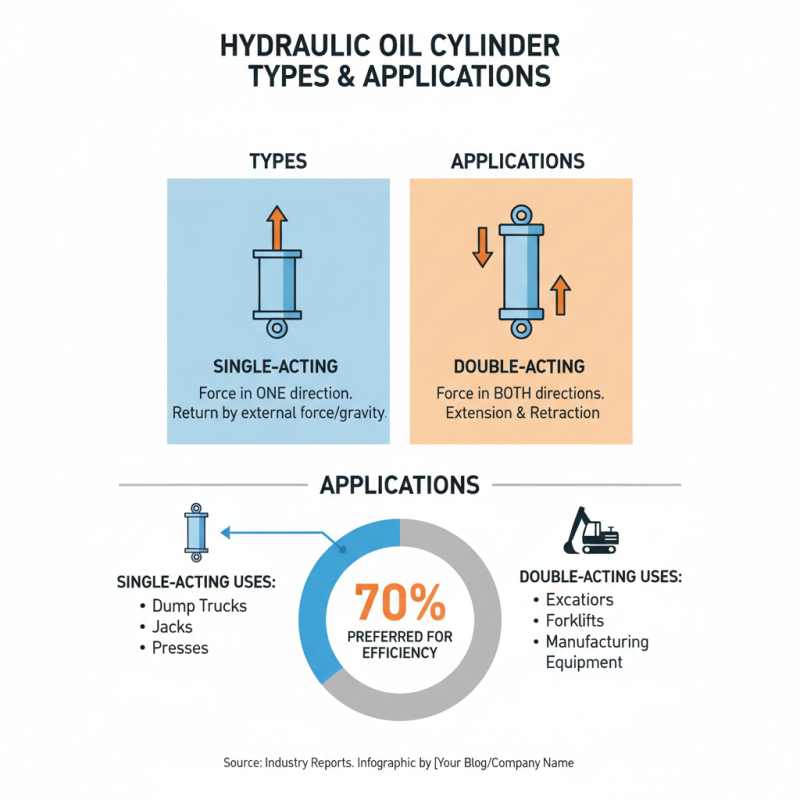
When selecting a hydraulic oil cylinder, understanding the types and applications is crucial. Hydraulic oil cylinders come in various types, including single-acting and double-acting. Single-acting cylinders exert force in one direction, while double-acting cylinders can work in both ways, which makes them versatile. According to industry reports, about 70% of applications prefer double-acting cylinders for their efficiency in tasks requiring both extension and retraction.
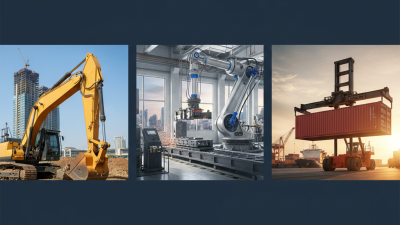
Choosing the right type impacts performance significantly. For instance, construction machinery often uses double-acting cylinders due to dynamic loads. Conversely, single-acting cylinders are suitable for applications like clamping where only one direction of movement is essential. However, a misconception is that double-acting cylinders always perform better. Sometimes, single-acting cylinders can be more efficient in simpler setups.
Tips: Assess the application’s load requirements. Is it continuous or intermittent? Evaluate the space available for installation. Overcrowded areas can limit functionality. Always consider the working environment, as factors like temperature and exposure to elements can affect cylinder performance. Manufacturers report that nearly 25% of issues arise from selecting inappropriate cylinder types. Take time to analyze specific needs carefully.
Key Specifications of Hydraulic Oil Cylinders to Consider
Choosing the right hydraulic oil cylinder involves understanding critical specifications. First, consider the cylinder's stroke length. This refers to how far the piston moves. A longer stroke means greater reach. However, too long can lead to complications in space management.
Next, pay attention to the bore size. The bore determines the cylinder's power. A larger bore often translates to higher force output. Yet, larger sizes may require more power and increase the system's weight.
Tips: Always check compatibility with your hydraulic system. Mismatched specifications can lead to inefficiency. Additionally, think about the working pressure. Ensure it meets your application's demands to avoid failure.
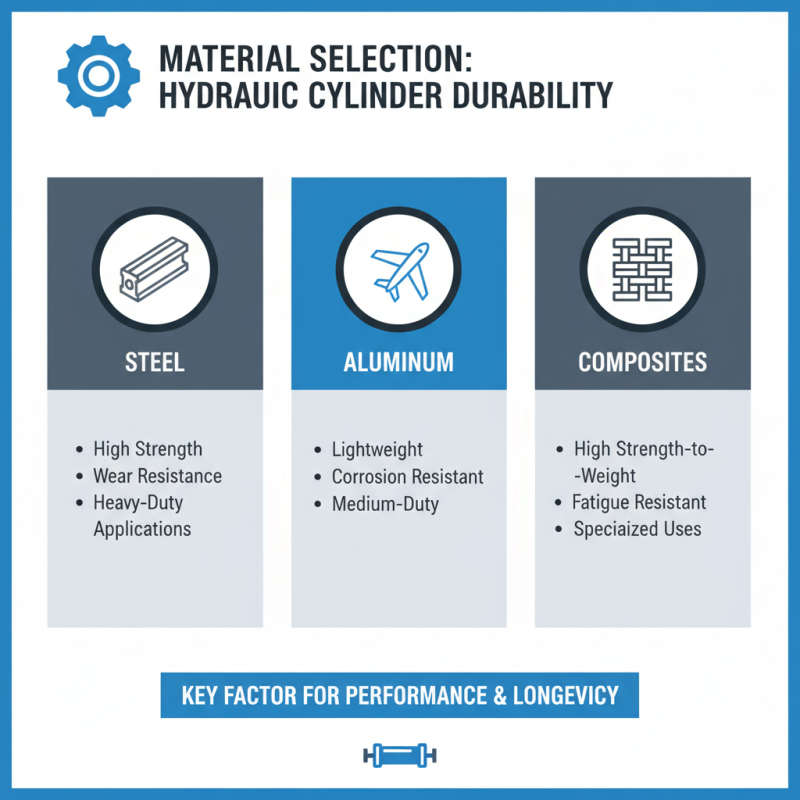
Lastly, material matters. Different applications may require resistance to specific conditions. Steel might be needed for harsh environments, while aluminum is lighter but less durable. Research and match materials to your application requirements. It's worth examining how each specification aligns with your needs.
Hydraulic Oil Cylinder Selection: Key Specifications
Assessing Load Capacity and Operating Pressure Requirements
When choosing a hydraulic oil cylinder, assessing load capacity is crucial. Industry standards indicate that a cylinder must support at least 1.5 times the expected load. For example, if your application requires lifting 1,000 pounds, select a cylinder rated for at least 1,500 pounds. This ensures safety and accounts for dynamic loads.
Operating pressure is another key factor. Most standard hydraulic cylinders operate within a range of 1,500 to 3,000 psi. However, specific applications may demand higher pressures. A study by the American Society of Mechanical Engineers (ASME) recommends that systems operate at 80% of their maximum pressure rating for optimal performance. This strategy can prevent premature wear and failure.
Consider environment and usage. Cylinders exposed to extreme conditions may need additional features. Think about temperature variations and potential contaminants. Choosing a cylinder that can handle these factors is vital. Overlooking these details can lead to costly repairs and downtime. Understanding these elements early on makes for a more informed decision. Choose wisely.
How to Choose the Right Hydraulic Oil Cylinder for Your Needs? - Assessing Load Capacity and Operating Pressure Requirements
| Cylinder Type |
Load Capacity (Ton) |
Operating Pressure (Bar) |
Stroke Length (mm) |
Weight (kg) |
| Single-Acting Cylinder |
10 |
200 |
500 |
25 |
| Double-Acting Cylinder |
20 |
250 |
600 |
45 |
| Telescopic Cylinder |
15 |
300 |
900 |
35 |
| Heavy-Duty Cylinder |
30 |
350 |
1200 |
75 |
| Mini Cylinder |
5 |
150 |
300 |
10 |
Material Selection: Factors Influencing Hydraulic Cylinder Durability
Choosing the right hydraulic oil cylinder is crucial for performance. One key aspect is material selection. The durability of hydraulic cylinders greatly depends on the materials used. Steel, aluminum, and composite materials are common choices. Steel offers high strength and resistance to wear, making it suitable for heavy-duty applications.
In a recent industry report, over 70% of hydraulic cylinder failures were linked to material degradation. Factors such as pressure, temperature, and exposure to chemicals affect material integrity. Regular maintenance can mitigate some issues, but selecting the right material from the start is crucial. For example, aluminum cylinders are lightweight but may not withstand high pressures as effectively as steel.
Corrosion resistance is another significant factor. Environments with high humidity or chemicals require materials that can resist corrosion. For example, stainless steel can provide better longevity in corrosive environments. However, it is essential to evaluate the cost-effectiveness versus durability. Making the right choice can lead to significant savings in the long run, but poor decisions could result in costly repairs and downtime.
Maintaining Efficiency: Importance of Oil Compatibility and Viscosity
Choosing the right hydraulic oil cylinder requires careful consideration of various factors, especially oil compatibility and viscosity. The right oil guarantees efficient operation and prevents equipment failure. Viscosity refers to the oil's thickness and its flow behavior at different temperatures. A mismatch can lead to poor performance and increased wear on the cylinder.
Oil compatibility is equally important. It ensures that the hydraulic oil and materials of the cylinder work well together. Incompatible oils can cause damage or degrade the seals over time. This degradation might go unnoticed at first, but it can lead to leaks or catastrophic failures later. Regular checks and maintenance can save significant costs down the line.
Some might think any oil will do, but that’s a dangerous assumption. Every hydraulic system has unique needs. If unsure, consulting a professional might provide clarity. Assessing factors like temperature range and operating conditions is essential. Perfect solutions might not exist, but understanding these elements can lead to better choices.

 +86-13349293098
 Contact WhatsApp
 Contact Email