How to Choose the Right Hydro Cylinder for Your Needs?
Choosing the right hydro cylinder is crucial for your equipment's performance. The global hydraulic cylinder market was valued at approximately $10 billion in 2022. This figure is expected to grow steadily due to increasing industrial automation and construction activities.
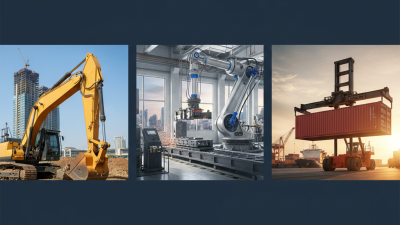
Hydro cylinders play an essential role in various applications. They are vital in construction machinery, material handling, and aerospace sectors. Selecting the ideal hydro cylinder requires understanding specific needs and parameters, such as pressure, load capacity, and dimensions. However, the complexity of these choices can be overwhelming. It's easy to overlook critical specifications that greatly impact performance.
Additionally, many users struggle with maintenance and compatibility issues. Failing to address these factors can lead to inefficiencies or even equipment failure. By assessing your requirements closely, you can avoid costly mistakes in selecting a hydro cylinder. Remember, making an informed choice can enhance both productivity and safety.
Understanding Hydro Cylinders and Their Applications
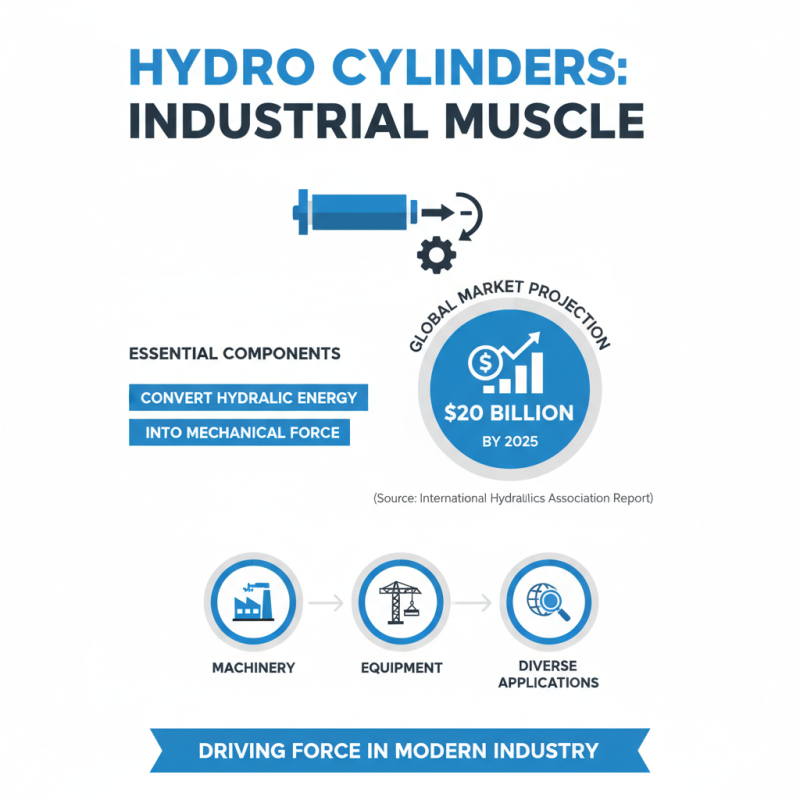
Hydro cylinders are essential components in various industries. They convert hydraulic energy into mechanical force, making them vital for machinery and equipment. According to a report by the International Hydraulics Association, the global hydraulic cylinder market is projected to reach $20 billion by 2025. This highlights the growing importance of hydro cylinders in diverse applications.
Understanding the specific needs for hydro cylinders can be complex. They are used in construction, manufacturing, and even in aerospace. Each application has unique requirements regarding size, pressure ratings, and stroke length. For instance, a construction site may demand cylinders that handle higher pressures. Yet, manufacturers often face challenges in meeting those exact specifications. Industry experts suggest conducting thorough evaluations before making a purchase.
Application details also matter significantly. The choice between double-acting and single-acting cylinders depends on how the machinery operates. Missteps in understanding these terms can lead to inefficiency. A recent study indicated that nearly 30% of equipment failures are linked to incorrect cylinder selection. This underlines the importance of proper analysis and selection of hydro cylinders tailored to specific needs.
Factors to Consider When Selecting a Hydro Cylinder
When selecting a hydro cylinder, several factors are crucial.
Think about the application. Is it for lifting heavy loads or pushing something?
The purpose directly influences the type of cylinder. Consider the required force.
This determines the size and capacity of the cylinder you need.
Another important factor is the working environment.
Will it be exposed to moisture, dust, or extreme temperatures?
These conditions affect cylinder material and sealing type.
Selecting the right materials can prevent premature wear.
Though you might choose a cheaper option, it may not last as long,
leading to higher long-term costs.
Don’t forget the installation space. Measure carefully. A cylinder too large may not fit or operate efficiently.
If the installation is cramped, a compact design may be necessary.
Take your time to think about these details.
Mistakes can be expensive, and a rushed decision might lead to issues later.
Always keep in mind your future needs.
Types of Hydro Cylinders and Their Unique Features
Hydraulic cylinders are essential in many industries. They convert hydraulic energy into mechanical force. Choosing the right type is crucial for efficiency and performance. Several types of hydraulic cylinders exist, each with unique features.
Tie-rod cylinders are popular for their simplicity. They are easy to assemble and maintain. The design uses tie rods to hold the cylinder together. This makes them suitable for moderate applications but may struggle with extreme pressures. On the other hand, welded cylinders offer a more robust solution. They are welded together for added strength. This enhances their ability to handle higher pressures, ideal for heavy machinery.
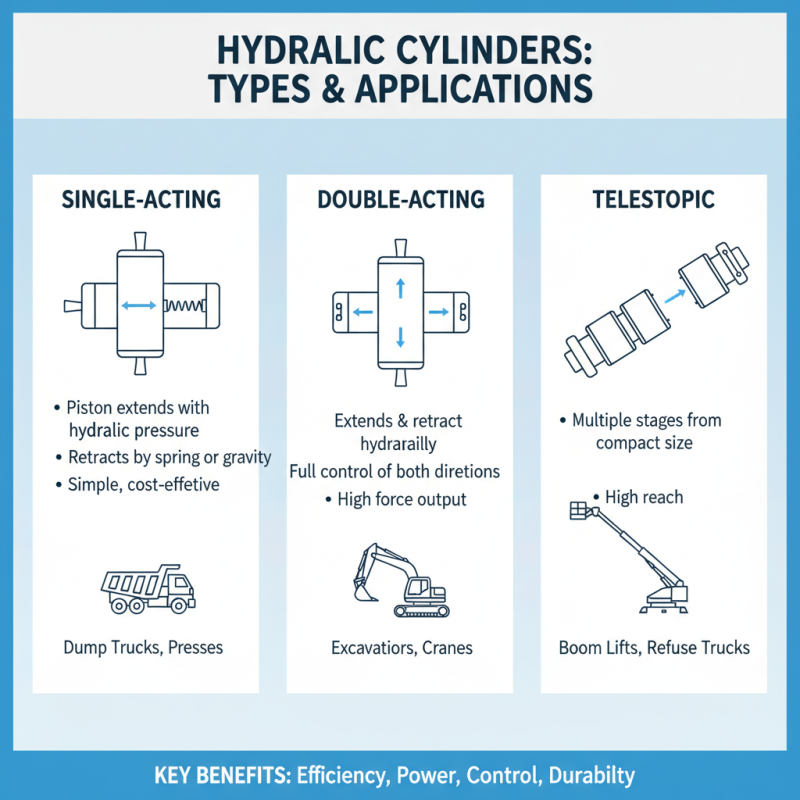
Other types include telescopic cylinders, which offer a compact design. They extend and retract effectively, useful in limited spaces. However, the complexity can lead to maintenance challenges. Lastly, double-acting cylinders provide power in both directions. They provide versatility but can be more expensive. Evaluating your specific needs is essential to select the right hydraulic cylinder. Consider factors like pressure, size, and application.
Calculating the Required Specifications for Your Hydro Cylinder
When choosing a hydro cylinder, understanding its specifications is crucial. Start with the required pressure. Determine the maximum force the cylinder needs to generate. This will help you select the right size. A cylinder that is too small won't meet your needs, while an oversized one may be inefficient.
Consider the stroke length as well. Measure the distance the cylinder must travel during operation. This ensures that you won’t face limitations during usage. A common mistake is underestimating this requirement. It’s better to account for a little more length than too little.
Tips: Always check the mounting options. They vary widely and can affect installation. Ensure that the hydraulic connections match your system. Additionally, factor in the environment. Will it face harsh conditions? If so, consider materials resistant to corrosion and wear.
Reflect on these details. What might you overlook? Balance practicality with the performance you need. This will guide you to the right hydro cylinder for your projects.
How to Choose the Right Hydro Cylinder for Your Needs?
| Specification |
Description |
Example Value |
| Cylinder Type |
Type of hydraulic cylinder (e.g., double-acting, single-acting) |
Double-acting |
| Bore Diameter |
Internal diameter of the cylinder |
50 mm |
| Stroke Length |
Length the cylinder can extend |
100 mm |
| Operating Pressure |
Maximum pressure at which the cylinder operates |
200 bar |
| Mounting Style |
How the cylinder is mounted (e.g., flange, pivot, trunnion) |
Flange mount |
| Body Material |
Material used for the cylinder body |
Steel |
| Sealing Type |
Type of seals used to prevent leakage |
Nitrile seals |
| Weight |
Weight of the cylinder |
10 kg |
Maintenance Tips for Ensuring Longevity of Hydro Cylinders
Hydraulic cylinders are vital in various industrial applications. Proper maintenance ensures their longevity and performance. According to a recent industry report, nearly 30% of hydraulic cylinder failures result from inadequate maintenance practices. Simple actions can significantly enhance the lifespan of these cylinders.
Regular inspections are crucial. Operators should check for leaks, unusual noises, and signs of wear. Minor issues can escalate quickly into major failures. A study from the International Fluid Power Society suggests that routine checks can reduce unexpected downtime by up to 40%. Cleaning the exterior helps prevent contamination, which is a common cause of failure. Dirt and grime can affect the seals and lead to leaks, causing further damage.
Lubrication is another essential factor. Proper lubrication reduces friction and wear on moving parts. A lack of lubrication can decrease efficiency by about 20%. Moreover, choosing the right type of lubricant tailored for specific conditions is vital. Inadequate lubrication practices often reflect a gap in understanding operational needs. Investing time in maintenance pays off; otherwise, expensive repairs may result.
Hydro Cylinder Selection Attributes
This bar chart illustrates the optimal range for various attributes to consider when choosing a hydro cylinder, including load capacity, stroke length, bore diameter, working pressure, and response time.

 +86-13349293098
 Contact WhatsApp
 Contact Email