+86-13349293098


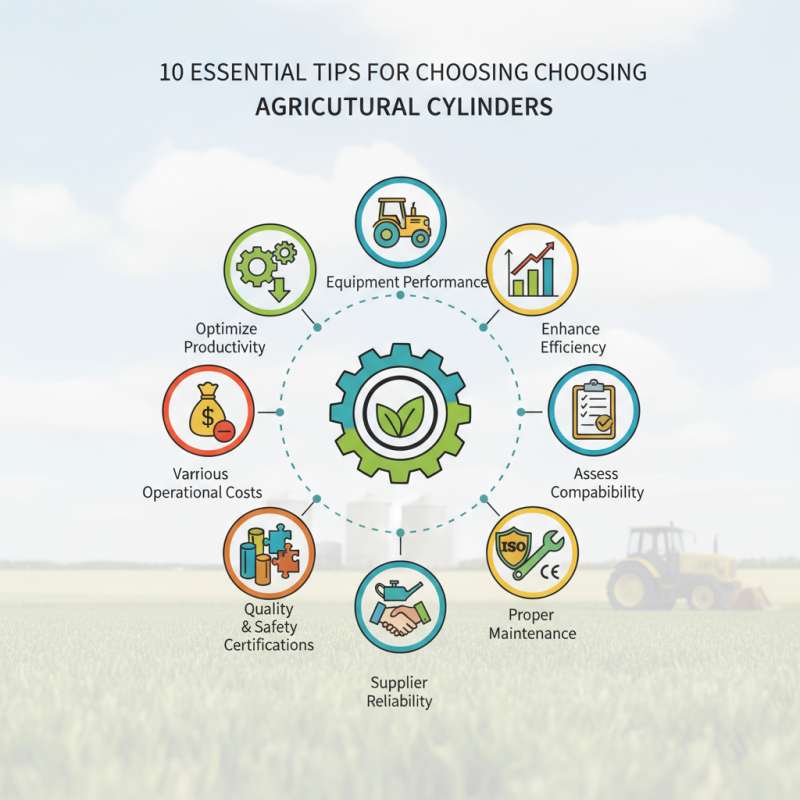
Choosing the right agricultural cylinders is crucial for optimizing productivity in farming operations. These cylinders play a vital role in equipment performance. The right choice can enhance efficiency and reduce operational costs. However, selecting the best option can often feel daunting.
Many factors come into play. Consider the specifications needed for your agricultural tasks. There are various types available, each designed for specific applications. It's important to assess the compatibility of cylinders with existing machinery. Pay attention to certifications like ISO and CE. They ensure quality and safety.
Some may overlook the importance of proper maintenance. Neglecting this aspect can lead to costly downtime. Additionally, evaluating supplier reliability is essential. Not all suppliers offer the same level of service. The decisions made in choosing agricultural cylinders can have long-lasting effects on the success of your farming practices. Consider all these factors carefully.
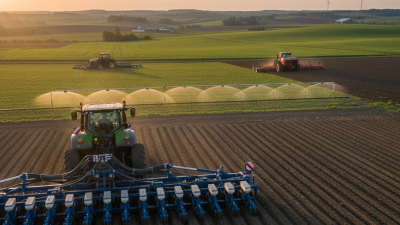
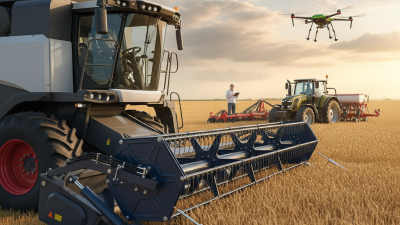
Agricultural cylinders play a vital role in modern farming operations. They are essential for various equipment, from tractors to harvesters. These cylinders help control power and perform specific tasks efficiently. Understanding their function can significantly impact productivity on the farm.
When choosing the right agricultural cylinders, it’s essential to assess the specific needs of your farming operations. Consider the power requirements and the type of crops you grow. Evaluate the environment where the equipment will operate. Harsh weather can affect cylinder performance. A suitable cylinder ensures efficiency and reliability in all conditions.
Tip: Always compare different options. Look for specifications that match your machinery. Shortlist cylinders based on durability and ease of installation. Reflect on previous experiences with equipment failures. Learning from past mistakes can guide your choices. Invest time in research to avoid costly errors in the future.
| Tip | Description | Key Considerations | Benefits |
|---|---|---|---|
| 1. Assess Requirements | Understand the specific needs of your farming operations to select the right cylinder. | Size, type of crops, and machinery compatibility. | Optimized operation and increased efficiency. |
| 2. Choose Quality Materials | Select cylinders made from durable and corrosion-resistant materials. | Material type, cost vs. durability, and maintenance requirements. | Longer lifespan and reduced replacement costs. |
| 3. Evaluate Pressure Ratings | Understand the pressure needs for your operations to prevent failures. | Matching pressure ratings with your machinery. | Enhanced safety and performance. |
| 4. Consider Stroke Length | Determine the necessary stroke length for your specific applications. | Application requirements and machinery specs. | Improved functionality and precision in tasks. |
| 5. Check Compatibility | Ensure the cylinder fits well with existing equipment. | Dimensions and mounting options. | Reduced installation issues and downtime. |
| 6. Analyze Manufacturer Reputation | Research manufacturers for quality and reliability. | Customer reviews, warranties, and support. | Trustworthy sourcing and consistent quality. |
| 7. Review Maintenance Needs | Understand the maintenance requirements and costs involved. | Maintenance frequency and costs. | Reduced long-term operational costs. |
| 8. Check for Custom Options | Explore custom solutions if standard options do not meet needs. | Availability of custom designs and dimensions. | Perfect fit for unique applications. |
| 9. Assess Cost-Effectiveness | Evaluate the cost in relation to performance and lifespan. | Price, warranty, and expected life. | Maximized value for investment. |
| 10. Seek Expert Advice | Consult with experts to make an informed choice. | Industry experts and technical support. | Better decision-making and problem-solving. |
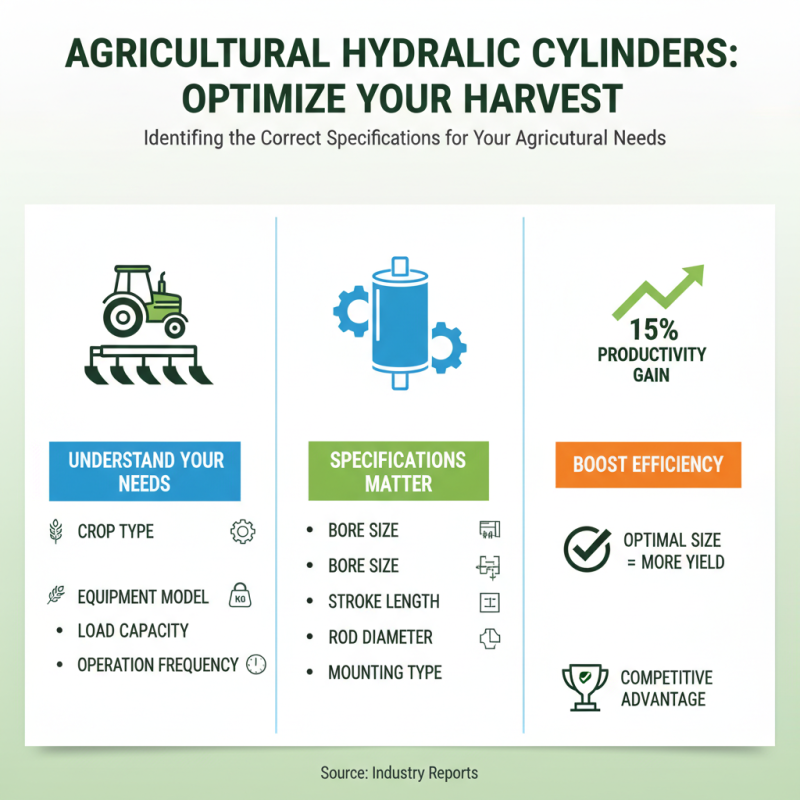
Choosing the right agricultural cylinders involves understanding your specific needs. The specifications of these cylinders directly influence agricultural efficiency. For instance, the industry reports that optimal cylinder size can improve productivity by up to 15%. This is a significant factor in competitive markets.
One key tip is to assess your equipment’s horsepower. The wrong cylinder can lead to wasted energy. Ensure compatibility to avoid performance issues. Additionally, consider the pressure ratings. Incorrect ratings may result in cylinder failure, impacting operations.
Another crucial aspect is the material used in the construction of the cylinder. Many operators overlook this detail. Corrosion-resistant materials tend to have a longer lifespan. This can reduce maintenance costs by as much as 20%, according to recent studies. Furthermore, always check for seals and fittings. They can be the weak points in the system that lead to leaks or inefficiencies.
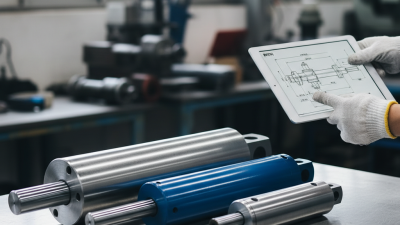
When selecting agricultural cylinders, material quality and durability are crucial factors. According to industry reports, cylinders made from high-quality steel can sustain higher pressures and resist corrosion better than others. A recent study indicates that materials like galvanized steel can extend the lifespan of cylinders by up to 30%. This durability is essential for agricultural equipment, which often faces harsh conditions.
Farmers should also consider the weight of the materials. Lighter cylinders may seem advantageous but can compromise strength. Choosing a cylinder that balances weight and durability is vital. Many professionals suggest inspecting the surface finish of the cylinder. A rough texture might indicate inferior quality, raising maintenance needs. On the other hand, smooth finishes can improve resistance to wear and tear.
Additionally, understanding the environmental conditions where cylinders will operate is important. For example, regions with high humidity need cylinders that resist rust effectively. However, the focus often shifts too much on price over quality. While saving money is important, investing in reliable materials can prevent costly repairs and replacements in the long run. Each choice has its implications, which should be carefully weighed.
Choosing the right agricultural cylinders is crucial, especially regarding compatibility with existing equipment. Many farms operate with varied machinery and outdated components. A mismatch can lead to decreased efficiency and increased costs. According to a report by the Agricultural Equipment Manufacturers Association, nearly 30% of agricultural errors stem from equipment incompatibility. Selecting cylinders that fit seamlessly with current systems can save both time and resources.
Compatibility means more than just dimensions. The working pressure of the cylinder must align with existing hydraulic systems. For instance, if your machinery operates at a pressure of 3,000 psi, the chosen cylinder should be rated for at least that level. Failure to do so can result in catastrophic failure. Interestingly, many operators overlook basic compatibility checks, which could greatly impact performance.
Costs associated with incompatible cylinders can rise quickly. Maintenance and replacement parts become a burden. Poor fit often leads to leaks and damages, which also affects crop yield. A study from the Farm Machinery Journal indicated that improper equipment can reduce productivity by up to 25%. It is essential to consider how new components will interact with existing machinery to avoid future headaches.
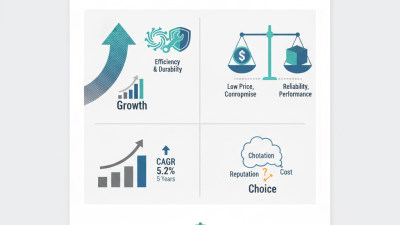
Understanding the compatibility of agricultural cylinders with existing equipment is crucial for efficient farming operations. The following chart illustrates key factors that influence the selection of agricultural cylinders.
When selecting agricultural cylinders, assessing the manufacturer’s reputation is crucial. A strong reputation often indicates reliability. According to a recent industry report, 75% of farmers rate manufacturer reputation as a key factor in their purchasing decisions. This reflects the need for products that can withstand daily use under various agricultural conditions.
Look for manufacturers with proven experience. A long history in the industry can signify expertise. Pay attention to customer reviews and ratings. They provide insights into performance and reliability. Engaging with other farmers can also reveal which brands have solid reputations.
After-sales support can make or break your investment. Adequate support ensures problems are resolved quickly. A survey showed that 65% of users prioritize after-sales service when choosing manufacturers. This includes easy access to parts and prompt response times. Be wary of those that lack strong support systems. It's a risk that could lead to costly downtime for your farm operations.