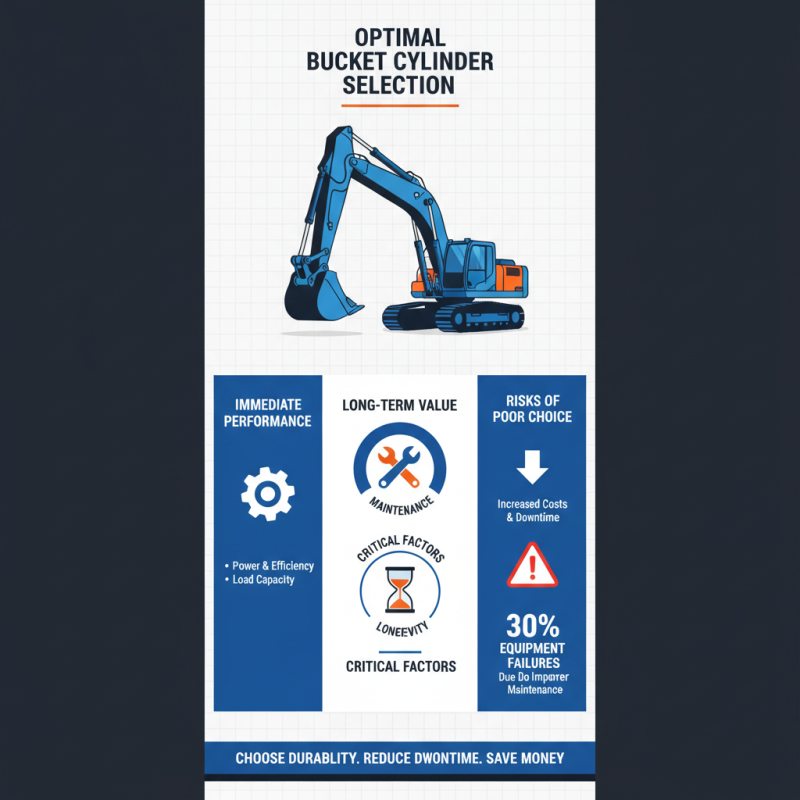
10 Essential Tips for Choosing the Right Bucket Cylinder for Your Needs?
Choosing the right bucket cylinder is a crucial step for any project. These hydraulic components play a key role in heavy machinery. However, many users face challenges in selection. Often, they overlook specific requirements, leading to inefficiencies.
It's important to consider various factors before making a decision. Think about the operating pressure and the load capacity you need. An incorrect choice may result in failure during operation, causing frustration and delays. A bucket cylinder must match your project’s demands for optimal performance.
Many buyers underestimate the significance of quality. Cheaper options might seem appealing, but they can compromise safety and longevity. Understanding your specific needs is essential. Take time to research different models. Reflect on what has worked, and what hasn’t. A thoughtful choice will enhance productivity and ensure safety in your operations.
Understanding the Basics of Bucket Cylinders and Their Applications
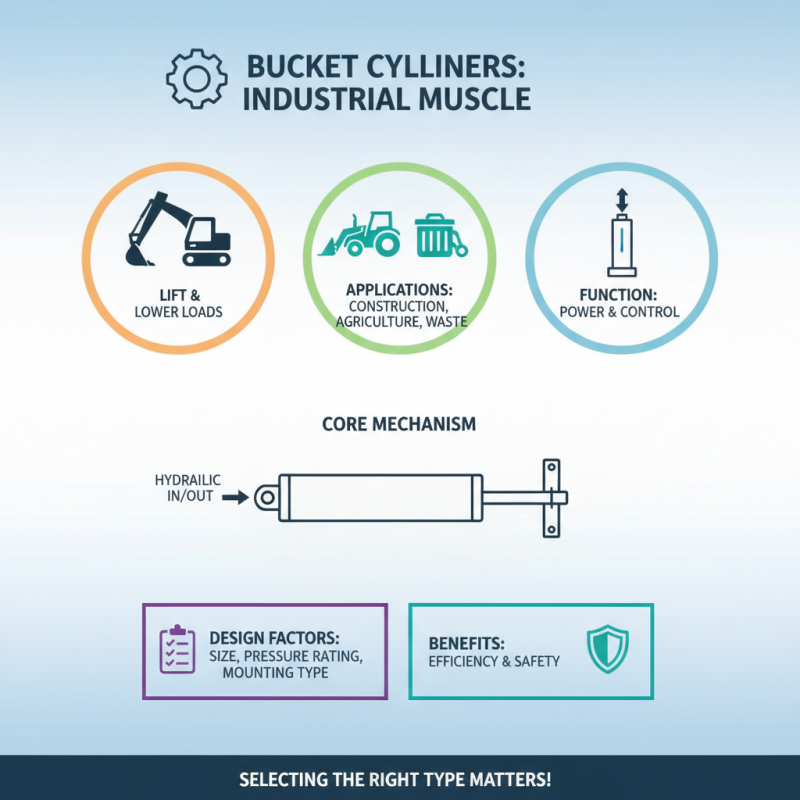
Bucket cylinders play a crucial role in many industrial applications. They are used in construction, agriculture, and waste management. Understanding their basic functions helps in selecting the right type for your needs. A bucket cylinder primarily lifts and lowers loads. Its design impacts efficiency and safety.
When choosing a bucket cylinder, consider the load capacity. This involves calculating the weight you expect to lift. An incorrect capacity can lead to accidents. Additionally, pay attention to the mounting style. Compatibility with your equipment is vital. Check if the cylinder's stroke length suits your tasks. Some cylinders may not reach necessary heights.
Another aspect is the material of the cylinder. Steel is common, but some applications require corrosion-resistant options. Don't overlook the hydraulic system's compatibility as well. It’s essential for ensuring performance. Some users focus solely on price, but neglecting quality can lead to future costs. Reflect on these factors to make an informed decision.
Identifying Your Specific Needs and Requirements for a Bucket Cylinder
Identifying your needs for a bucket cylinder is crucial. Consider the tasks you'll perform. What weight will the cylinder lift? Assess the load range. Will it be for heavy construction or light landscaping? Each task demands a different type of cylinder.
Think about space and compatibility. Is there enough room for installation? Check the connections. Ensure they match your machinery. It’s easy to overlook these details when you’re focused on the task. Sometimes, a too-small cylinder can cause failures or inefficiencies.
Durability matters as well. Will the cylinder face strong weather conditions? Evaluate the materials. For instance, a galvanized cylinder might withstand corrosion better. Reflect on previous experiences. Did your last choice last long enough? Such reflections can guide you toward the right decision.
Evaluating the Key Specifications: Size, Capacity, and Compatibility
When choosing a bucket cylinder, size is crucial. The diameter and height of the cylinder must match your specific needs. A larger cylinder can hold more fluid but may not fit your application. It's essential to measure the available space carefully. Sometimes, opting for a smaller size can also increase maneuverability.
Capacity is another key factor. Consider how much weight and volume the bucket can handle. Overloading can lead to inefficiencies and potential failures. Be realistic about your usage. If unsure, it’s helpful to consult with an expert. They can provide insights into typical capacities for various tasks.
Compatibility plays a vital role as well. Ensure the cylinder fits with existing equipment. A mismatch can result in costly modifications. Look into fittings, hoses, and connectors. Sometimes, these details are overlooked, leading to frustration later on. It’s always best to double-check specifications before making a decision.
Comparing Different Bucket Cylinder Designs and Features
Choosing the right bucket cylinder involves understanding the designs and features available. Different types provide unique benefits. For instance, double-acting cylinders enable operation in both extension and retraction. Single-acting cylinders, however, only extend and rely on external forces for retraction. Industry reports show that 70% of users prefer double-acting designs due to their efficiency.
When comparing features, look for adjustable stroke length and hydraulic connections. Some cylinders come with integrated sensors for position monitoring. These sensors can enhance precision but may add to costs. A recent survey revealed that 65% of operators prioritize precision in their selection process. This need often clashes with budget constraints.
Weight and material also impact performance. Lighter materials can improve maneuverability but may compromise durability. Steel cylinders are robust but heavier. Users often struggle to find a balance. Data suggests that 40% of operators rethink their material choices after initial use. This reflection shows the complexity in making the right decision. Addressing these details can lead to better performance and satisfaction with your equipment.
Comparison of Different Bucket Cylinder Designs Based on Key Features

 +86-13349293098
 Contact WhatsApp
 Contact Email