10 Essential Tips for Maintaining Your Wheel Lift Cylinder
Maintaining your Wheel Lift Cylinder is crucial for optimal performance and longevity. Recent industry data indicates that regular maintenance can extend the lifespan of hydraulic components by up to 40%. This highlights the importance of proactive care in preventing costly repairs.
James Smith, a renowned expert in hydraulic systems, once stated, "Neglecting a wheel lift cylinder can lead to significant operational downtime." His insight underscores the need for meticulous attention to detail. Regular checks can help identify wear and tear early, ensuring a smooth operation.
It is vital to understand common issues that can arise. For instance, leaks can diminish the functionality of your Wheel Lift Cylinder. Addressing these problems early can save time and money. Implementing effective maintenance routines not only enhances reliability but also ensures safety and efficiency in operations.
Understanding the Role of Wheel Lift Cylinders in Vehicle Maintenance
Wheel lift cylinders play a crucial role in vehicle maintenance. They help lift and support a vehicle during repairs, making them essential for safe and efficient servicing. Understanding how they work can improve your vehicle's lifespan. Proper maintenance ensures that these cylinders operate smoothly, reducing the risk of accidents.
Regular inspections are vital for wheel lift cylinders. Look for signs of wear or leaks. If you notice any fluid around the cylinder, it's time for a closer look. Clean the cylinder regularly to avoid dirt buildup. This simple step can extend its life significantly. Regular oiling is another key tip. Use high-quality lubricant to keep the moving parts functioning well.
Temperature can affect cylinder performance. Extreme cold or heat might cause malfunctions. Storing your equipment in a climate-controlled space is beneficial. Additionally, training your team on proper usage is essential. Mistakes can happen, and they can lead to damage. Learning from these errors is part of the maintenance journey. Each oversight can teach valuable lessons for future operations.
10 Essential Tips for Maintaining Your Wheel Lift Cylinder
This bar chart illustrates the importance level of essential tips for maintaining your wheel lift cylinder, rated on a scale from 1 to 10. Regular inspection and hydraulic fluid checks are crucial for optimal performance.
Signs of Wear and Tear in Wheel Lift Cylinders to Watch For
Wheel lift cylinders play a crucial role in the safety and efficiency of your vehicle's lifting system. Recognizing signs of wear and tear can prevent serious issues. Start by observing for fluid leaks around the cylinder seals. A small drip can indicate a larger problem. Inspect the cylinder for any visible dents or scratches. These imperfections may affect performance over time.
Listen for unusual noises when the wheel lift operates. Grinding or squeaking sounds often signal internal damage. If you notice the lift not raising or lowering smoothly, it could mean internal wear. Additionally, check for rust or corrosion on exposed metal surfaces. This can weaken the structure, leading to potential failures.
Regular inspection is key. It’s easy to overlook small issues when busy. However, neglecting them can lead to costly repairs later. Documenting any changes in performance can also provide valuable insights. Relying solely on visual checks isn’t enough. Trust your instincts; if something feels off, it likely is. Stay vigilant to ensure the longevity and reliability of your wheel lift cylinder.
Step-by-Step Guide to Cleaning Your Wheel Lift Cylinder
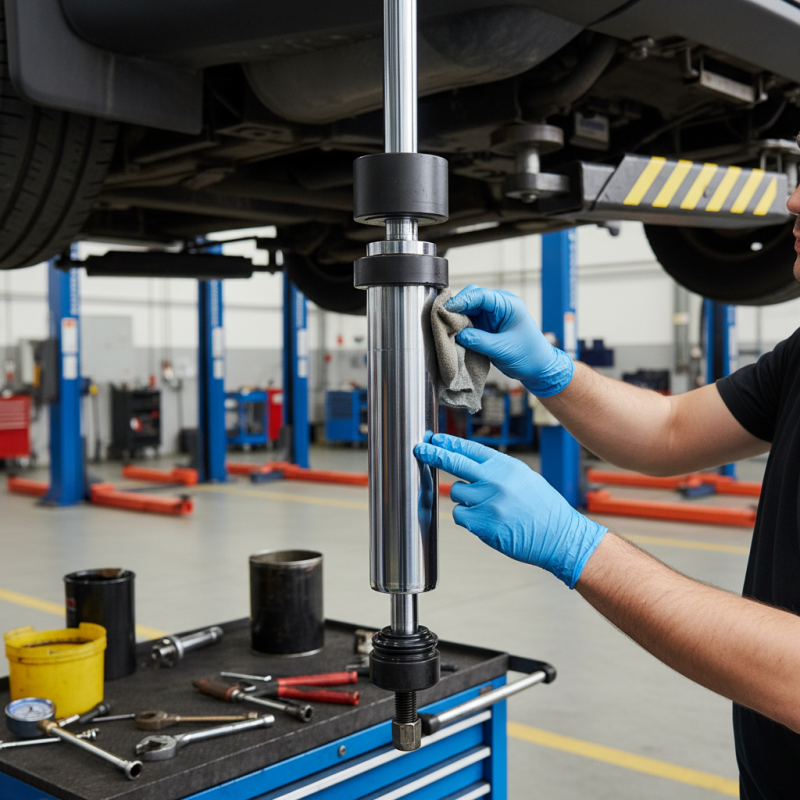
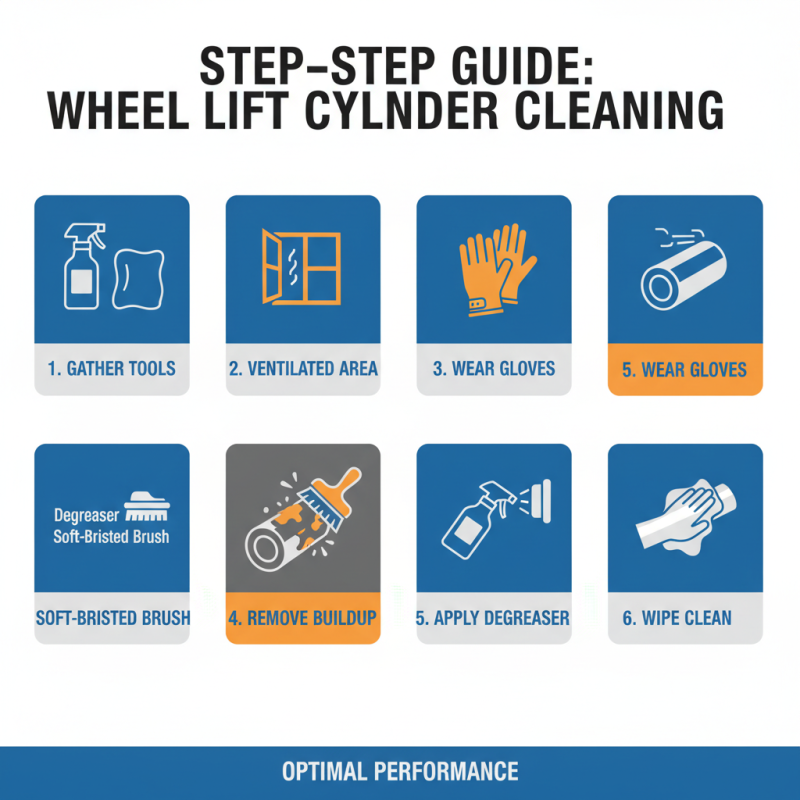
Cleaning your wheel lift cylinder is essential for optimal performance. Start by ensuring you have the right tools. You’ll need a soft cloth, degreaser, and a brush with soft bristles. Make sure to choose a well-ventilated area to work and wear gloves for safety. It’s important to remove any dirt or grease buildup that could affect the cylinder's function.
Begin by using a degreaser to spray the exterior of the cylinder. Let it sit for a few minutes to break down grime. After that, use the brush to gently scrub all surfaces. Pay special attention to any tight corners where dirt may hide. Once cleaned, wipe down the cylinder with a soft cloth to remove any remaining residue. Sometimes, you might find stubborn spots that require a bit more effort. Be patient and persistent; it’s worth it for the cylinder's longevity.
After cleaning, inspect the cylinder for any signs of wear or damage. Look for cracks or leaks, as these can lead to bigger issues later. Regular maintenance is crucial, yet it’s easy to overlook small details. Failing to notice subtle changes could result in reduced performance over time. Stay attentive and make cleaning a regular part of your maintenance routine. This way, your wheel lift cylinder will operate smoothly and efficiently.
Techniques for Proper Lubrication of Wheel Lift Cylinders
Proper lubrication is crucial for maintaining wheel lift cylinders. It enhances performance and prolongs the lifespan of the equipment. Over time, dirt and debris can build up, affecting functionality. Regular inspection of lubrication points is essential.
Using the right lubricant matters significantly. Apply a high-quality grease that can withstand temperature fluctuations. Be cautious not to over-lubricate; this can lead to grease leakage. This waste not only reduces effectiveness but may also create safety hazards.
When lubricating, ensure you clean the surfaces first. Dust and particles can mix with the lubricant, causing wear. Pay attention to the seals. Damaged seals can compromise the lubrication process. Sometimes, it’s easy to overlook these details, but neglecting them can lead to costly repairs. Consistent maintenance is key to preventing these issues.
Regular Inspection: Preventive Maintenance for Wheel Lift Cylinders
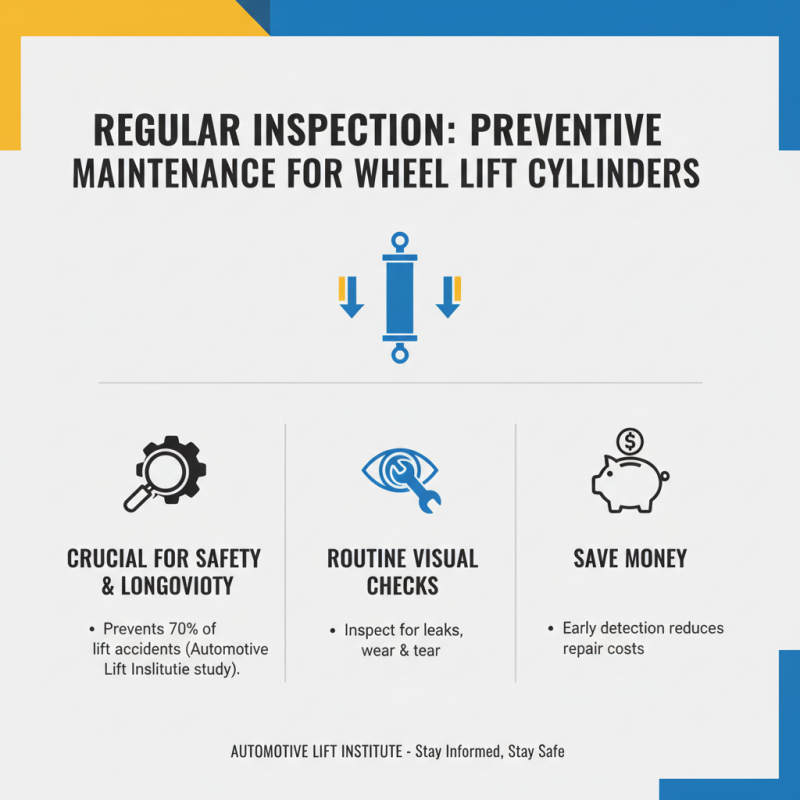
Regular inspection is crucial for maintaining wheel lift cylinders. These components, commonly used in vehicle towing and transport, require diligent monitoring. A study by the Automotive Lift Institute highlighted that 70% of lift-related accidents stem from improper maintenance. Routine visual checks can detect early signs of leaking or wear. Noticing minor issues early can save significant repair costs later.
Ensuring that the hydraulic fluid levels are adequate is also essential. Low fluid levels can lead to inefficient lift operation. According to industry reports, over 30% of wheel lift failures result from fluid-related issues. Regularly inspecting seals, hoses, and fittings will enhance longevity. Remember, signs of corrosion or deterioration should not be overlooked. Many operators miss these critical checks, leading to unexpected breakdowns.
Creating a maintenance schedule can help in keeping track of inspections. Regular appointments will prevent overlooking critical evaluations. Data indicates that establishments with structured maintenance programs experience 25% fewer equipment failures. It pays to stay proactive. A well-maintained wheel lift cylinder not only performs better but also contributes to overall safety on the job. Real experience has shown that consistency in inspections leads to longer service life and increased reliability.

 +86-13349293098
 Contact WhatsApp
 Contact Email