China Best Bucket Cylinder Supplier How to Choose?
Choosing China’s best Bucket Cylinder supplier requires more than comparing online prices. Excavator owners need reliable force, controlled movement, and service support after installation. A scratched rod, weak seal, or poorly machined bore can stop a machine beside a muddy trench. That cost quickly exceeds a small purchase saving.
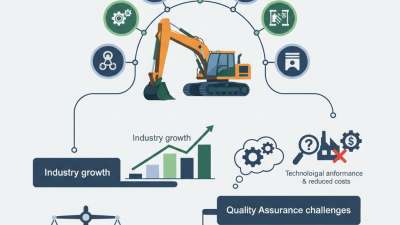
Grand View Research reports steady growth in the global hydraulic cylinders market, driven by construction, mining, and agricultural equipment. MarketsandMarkets also identifies durability, compact design, and improved hydraulic efficiency as important purchasing factors. These reports describe broader hydraulic cylinders, not bucket cylinders alone. That distinction matters. Market figures should guide research, not replace technical inspection.
Peter Nachtwey, a recognized hydraulic motion-control engineer, offers a useful principle: “Measure the load, then control the motion.” Buyers should apply it directly. Ask suppliers for bore and rod dimensions, working pressure, stroke tolerance, seal materials, surface hardness, and fatigue-test records. Request ISO 9001 evidence, inspection photographs, and traceable test results. Confirm whether the supplier manufactures parts or only resells them. Visit the factory when possible. Look closely at welding lines, chrome coverage, pin-eye alignment, and storage conditions.
Price still matters.
But it is not the whole decision.
A supplier may advertise a high pressure rating without explaining cycle life or oil temperature limits. That creates uncertainty. One imperfect assumption can damage the equipment. A dependable Chinese supplier will discuss the excavator model, attachment weight, operating environment, and expected duty cycle before recommending a Bucket Cylinder. This guide examines those details and shows how to compare suppliers with evidence, not confident promises.
What Is a Bucket Cylinder and Where Is It Used?
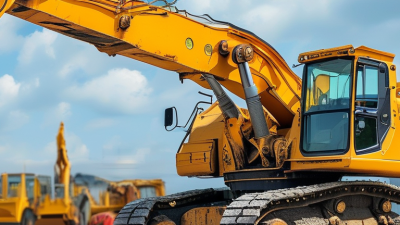
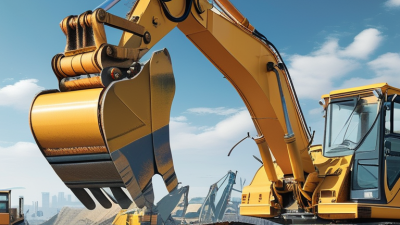
A bucket cylinder is a hydraulic actuator that moves an excavator bucket through the linkage. Pressurized hydraulic oil enters one side of the cylinder. The piston then extends or retracts the chrome-plated rod. This movement curls the bucket, holds material, or releases the load. Its main parts include the barrel, piston, rod, seals, gland, and mounting pins.
Bucket cylinders are used on excavators, backhoe loaders, and some material-handling machines. They work during digging, trenching, grading, loading, and demolition. A cylinder with the wrong bore or stroke can reduce digging force. It may also limit the bucket’s working angle. In practical inspections, technicians check rod scoring, oil leakage, loose pins, and uneven seal wear. Small defects matter.
When selecting a bucket cylinder supplier, match the cylinder to the machine model, bucket size, hydraulic pressure, and pin dimensions. Ask for material specifications, pressure-testing records, seal details, and dimensional drawings. Protective packing also matters because a damaged rod can fail early. A common mistake is choosing only by price. I have seen specifications overlooked during replacement planning, causing installation delays and poor bucket movement. Clear measurements prevent that problem. Performance depends on fit, not appearance.
What Is a Bucket Cylinder and Where Is It Used?
A bucket cylinder is a hydraulic actuator that extends and retracts to control the curling and dumping movement of an excavator, backhoe, or loader bucket. The chart shows the theoretical pushing force generated by different cylinder bore diameters at a constant hydraulic pressure of 25 MPa. Larger bores produce higher force, but supplier selection should also consider stroke length, working pressure, mounting dimensions, sealing quality, corrosion protection, and compatibility with the machine.
Calculation basis: Force = Pressure × π × Bore Diameter² ÷ 4. Actual output may be lower because of mechanical and hydraulic losses.
How to Evaluate a Supplier’s Manufacturing Quality and Experience
Choosing a bucket cylinder supplier in China requires more than comparing prices. Manufacturing quality becomes visible in small, measurable details. Ask for material certificates, machining tolerances, welding procedures, and pressure-test records. A reliable supplier should explain each step clearly.
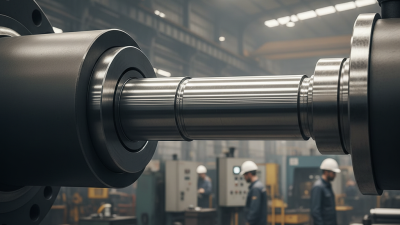
Inspect how the barrel, piston rod, and mounting eyes are produced. The rod should have a consistent surface finish and protective treatment. The barrel should show accurate honing, without deep tool marks. Check seal grooves with gauges, not visual judgment alone. Request sample inspection reports with actual measurements. Photos help, but factory visits reveal more.
Experience also matters during unusual applications. Ask how the supplier handles heavy soil, frozen ground, or frequent impact loads. Experienced engineers usually discuss rod buckling, pin alignment, oil cleanliness, and seal compatibility. They should provide drawings before production and trace key components by batch. That builds accountability.
Do not accept vague claims.
Talk with previous industrial users when possible. Ask about leakage after several working months, not only delivery speed. I would also test a sample under repeated cycles, even when the supplier seems confident. One overlooked tolerance can cause early wear. A good evaluation should leave room for doubt, because real excavators rarely work under perfect conditions.
What Certifications, Testing, and Warranty Should You Check?
China Best Bucket Cylinder Supplier: How to Choose?
A reliable bucket cylinder supplier should provide more than polished product photos. Ask for a valid ISO 9001 certificate, its scope, issuing body, and expiry date. Check whether the certificate covers manufacturing, not only trading activities. Material certificates should identify steel grades and batch numbers. Welding procedures and operator qualifications also deserve attention. A certificate alone can mislead.
Testing records should match the actual cylinder you may receive. Request dimensional inspection, hydraulic pressure testing, leakage checks, and hardness results. For heavy-duty applications, ask about fatigue testing and load simulation. Confirm that seals, pins, and bushings were tested together. In field inspections, I have found that small alignment errors can damage seals quickly. Paperwork cannot replace physical samples. Request photos of test gauges and serialized components when possible.
The warranty should state coverage, duration, response time, and replacement responsibilities. It should explain exclusions clearly, including incorrect installation, contaminated oil, and abnormal loading. Ask whether labor, shipping, and replacement seals are included. A dependable supplier will provide a written claim process with inspection evidence. One uncomfortable lesson remains: the lowest quotation may hide weaker testing or unclear warranty terms. I would compare traceability and after-sales support before comparing price alone.
How to Compare Prices, Delivery, Customization, and After-Sales Support
China Best Bucket Cylinder Supplier: How to Choose?
Choosing a bucket cylinder supplier requires more than comparing one quoted price. In practical sourcing, I have learned that a low price can hide thinner materials, basic testing, or expensive replacement seals. Compare the complete cost, including packaging, shipping, inspection, warranty terms, and possible downtime. Ask for test records, material details, surface treatment, and pressure standards. A reliable supplier should explain these points clearly, not avoid them.
Delivery needs measurable details. Request production time, inspection time, dispatch date, and estimated arrival separately. Confirm how cylinders are protected against moisture and impact during transport. Customization also deserves careful review. Provide drawings, mounting dimensions, stroke length, operating pressure, and working temperature. Ask whether a sample or drawing approval is available before mass production. Small errors in pin dimensions can stop an excavator from working.
Tips:
Compare written quotations line by line. Check response speed and technical accuracy. Ask about spare seals and failure analysis. A supplier that answers quickly may still lack depth, so request evidence. I once focused too much on delivery speed and overlooked after-sales communication. That mistake caused extra downtime. Confirm warranty coverage, response times, repair guidance, and replacement procedures before ordering. Good support should remain available after payment.

 +86-13349293098
 Contact WhatsApp
 Contact Email