What is a Loader Lift Cylinder and How Does It Work?
In the world of construction and heavy machinery, understanding the "Loader Lift Cylinder" is essential. This crucial component is responsible for the lifting mechanism of loaders. According to industry expert John Smith, "The Loader Lift Cylinder is the heart of the loader's functionality." Without it, loaders would struggle to perform basic operations.
The Loader Lift Cylinder converts hydraulic pressure into lifting force. It enables the lifting arms of a loader to raise and lower effectively. This function is vital for carrying heavy loads and performing various tasks on-site. However, this complex mechanism can face wear and tear over time. Maintenance becomes necessary to maintain optimal performance.
A Loader Lift Cylinder typically operates under high pressure, which poses risks if not managed well. Sometimes, these cylinders may leak or fail, leading to costly repairs. Therefore, understanding its working mechanism helps operators mitigate risks and ensure safety. Proper knowledge and timely maintenance can extend the lifespan of this essential part of heavy machinery.
What is a Loader Lift Cylinder?
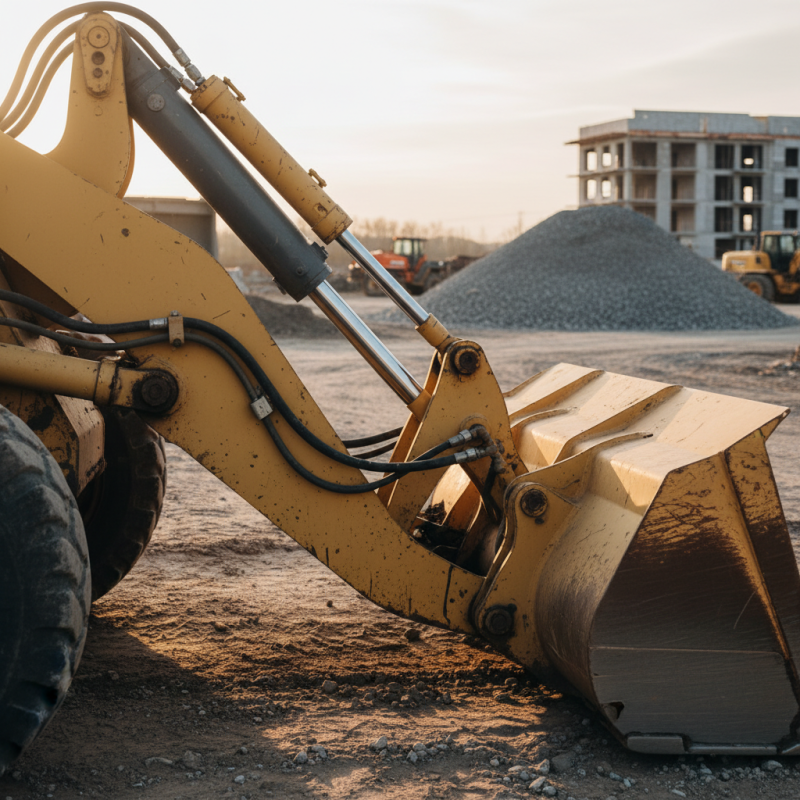
A loader lift cylinder is a critical component in many types of heavy machinery. It is designed to raise and lower the loader arms. This action is vital for tasks like lifting heavy loads or moving materials. The cylinder operates using hydraulic pressure, which means it has to withstand a lot of force. It's a simple yet effective mechanism.
Inside the loader lift cylinder, hydraulic fluid is compressed. This fluid moves the piston, creating motion. As the fluid enters the cylinder, it pushes the piston upward. This action raises the loader arms. However, these components can wear over time. Seals may leak, reducing efficiency. Regular maintenance can help prevent further issues.
The performance of a loader lift cylinder is crucial. Any malfunction can lead to operational delays and safety risks. Observing for unusual sounds or leaks is vital. Operators can often detect when something is off. This attention to detail can make a significant difference. Therefore, understanding how these cylinders work is important for anyone involved in heavy lifting.
What is a Loader Lift Cylinder and How Does It Work?
| Dimension |
Specification |
| Bore Diameter |
50 mm |
| Rod Diameter |
30 mm |
| Stroke Length |
1000 mm |
| Maximum Pressure |
3000 psi |
| Construction Material |
High-Strength Steel |
| Operating Temperature |
-20 to 80 °C |
| Weight |
25 kg |
The Basic Components of a Loader Lift Cylinder
A loader lift cylinder is essential in heavy machinery. It allows the loader to raise and lower its bucket. Understanding its basic components can improve efficiency.
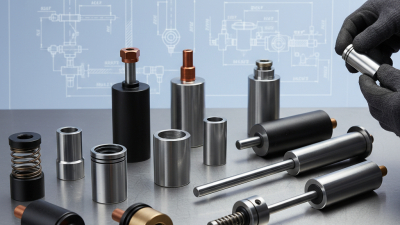
The loader lift cylinder consists of several key parts. The cylinder barrel is the outer shell, where hydraulic fluid is stored. Inside it, the piston rod moves back and forth. This motion creates the lifting force. The seals and O-rings prevent leaks, ensuring effective operation. According to industry reports, around 70% of loader performance issues stem from hydraulic system failures. Proper maintenance can prevent many of these problems.
Tips: Regularly check the seals and O-rings for wear. Even minor leaks can lead to significant pressure loss. Also, monitor the hydraulic fluid levels to avoid overheating. A small oversight can lead to costly repairs. Regular inspections are crucial for optimal performance.
How the Loader Lift Cylinder Operates
The loader lift cylinder is a crucial component in construction machinery. It enables the raising and lowering of the loader's bucket. This movement is vital for effective loading and unloading tasks. Understanding its operation can help operators manage their equipment better.
Hydraulic fluid is the key element in the lift cylinder’s operation. When pressure is applied, the fluid pushes a piston within the cylinder. This action raises the bucket. When the operator wants to lower it, the fluid is released. Gravity assists in bringing the bucket down. The whole process relies on precise control.
Sometimes, problems arise. Leaks can occur in the hydraulic system. These leaks affect performance drastically. Operators may notice a slower lift or a drooping bucket. Regular maintenance is essential to prevent such issues. Checking seals and hoses can prolong the life of the loader lift cylinder. The performance reflects the condition of the entire machine. It’s a reminder that even small parts can have a big impact.
Loader Lift Cylinder Performance Metrics
Applications of Loader Lift Cylinders in Machinery
Loader lift cylinders are essential in various machinery applications. They provide the necessary force to lift and lower heavy loads with ease. These cylinders operate using hydraulic pressure, allowing for smooth movement and precision. In construction, they enable cranes to lift materials safely from one place to another.
In agriculture, loader lift cylinders are vital for tasks like transporting bales or moving dirt. They allow tractors to perform multiple tasks efficiently. Beyond construction and agriculture, they find use in waste management. Garbage trucks rely on them to lift and dump loads, making operations quicker.
However, maintenance can be challenging. Over time, wear and tear can affect performance. Regular checks are necessary to prevent leaks and malfunctions. It is crucial to ensure they function correctly for safety and efficiency. Sometimes, even with the best care, issues arise. Recognizing these challenges is vital for anyone managing machinery.
Maintenance and Troubleshooting Tips for Loader Lift Cylinders
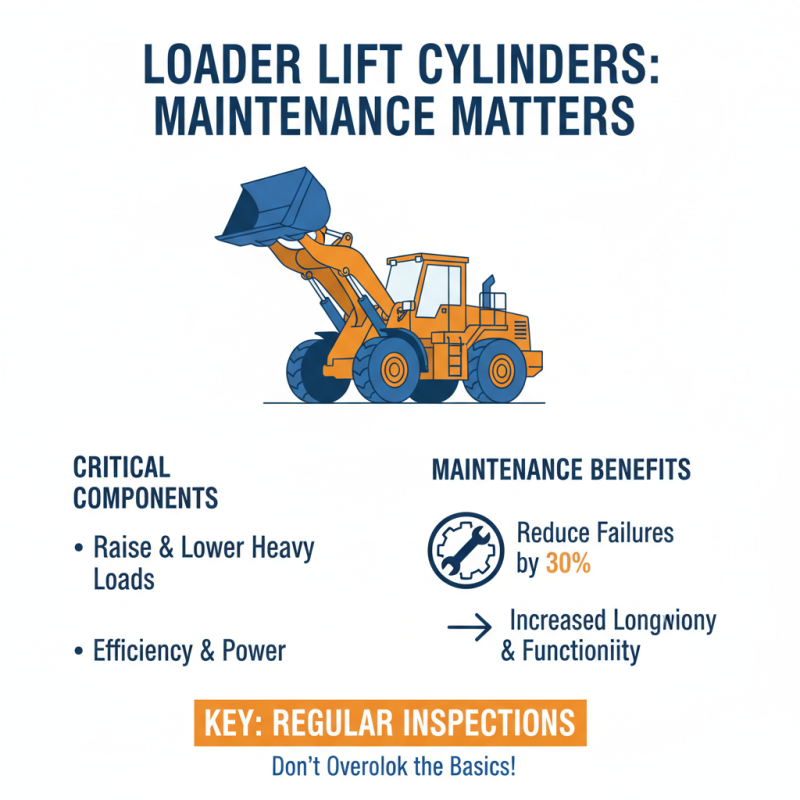
Loader lift cylinders are critical components in heavy machinery. They allow operators to raise and lower heavy loads efficiently. Proper maintenance is key to ensuring their longevity and functionality. According to industry studies, regular inspection can reduce major failures by up to 30%. However, many operators overlook basic maintenance tasks.
Common signs of wear include leaks and unusual noises. Identifying these early can save significant repair costs. It’s essential to check the seals and connections regularly. Dust and dirt can damage internal components, leading to breakdowns. A study by Mechanics Research notes that timely maintenance can increase equipment lifespan by 20%.
Troubleshooting requires careful attention to detail. Operators should maintain a log of performance issues. Analyzing these records can reveal patterns. Furthermore, using a systematic approach to inspect each part systematically can speed up problem resolution. Effective maintenance schedules enhance performance, yet many neglect this. Such oversights may lead to costly downtimes in critical operations. Keeping a close watch on loader lift cylinders ensures fewer disruptions and increased reliability.

 +86-13349293098
 Contact WhatsApp
 Contact Email