Understanding Rod Hydraulic Cylinder Types and Their Applications?
In the realm of industrial machinery, understanding the various types of rod hydraulic cylinders is crucial. These components play a vital role in diverse applications, from construction equipment to manufacturing systems. According to a recent report by MarketsandMarkets, the hydraulic cylinder market is projected to reach $17.9 billion by 2026. This growth emphasizes the importance of efficient hydraulic systems.
Rod hydraulic cylinders are essential for converting hydraulic energy into linear motion. They are designed to withstand high pressures and deliver powerful force in confined spaces. However, selecting the correct type can be challenging. Each type—single-acting or double-acting—serves different purposes and applications. The demand for specialized designs is increasing, raising questions about best practices in implementation.
While manufacturers strive for innovation, some common pitfalls persist. Improper sizing, inadequate maintenance, and failure to understand the specific needs of an application can compromise performance. Industry professionals must continually refine their knowledge to avoid such mistakes. Engaging with authoritative sources and staying updated on trends is recommended for achieving optimal results in hydraulic system design and execution.
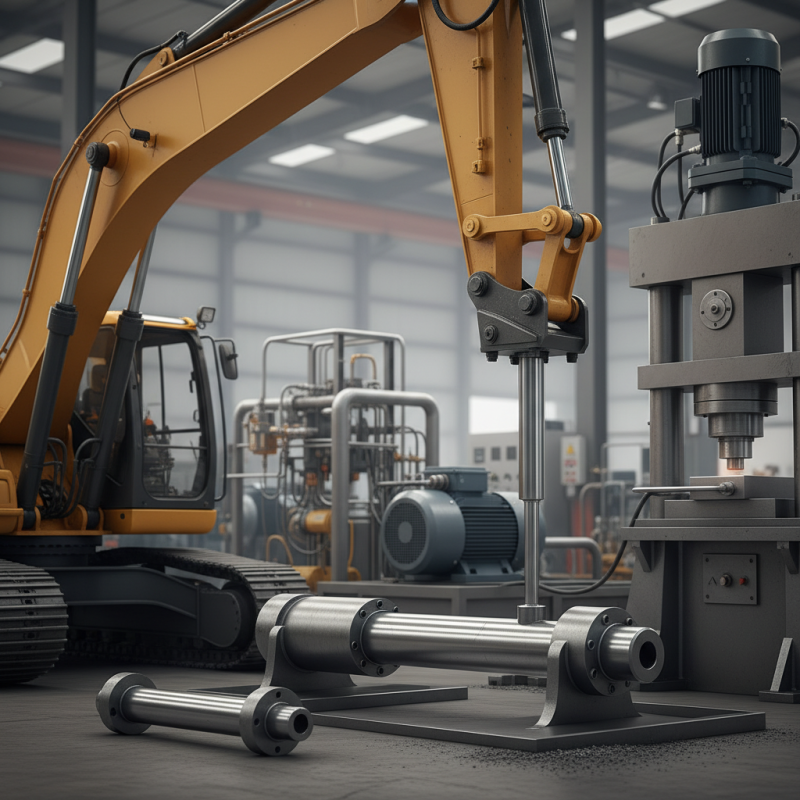
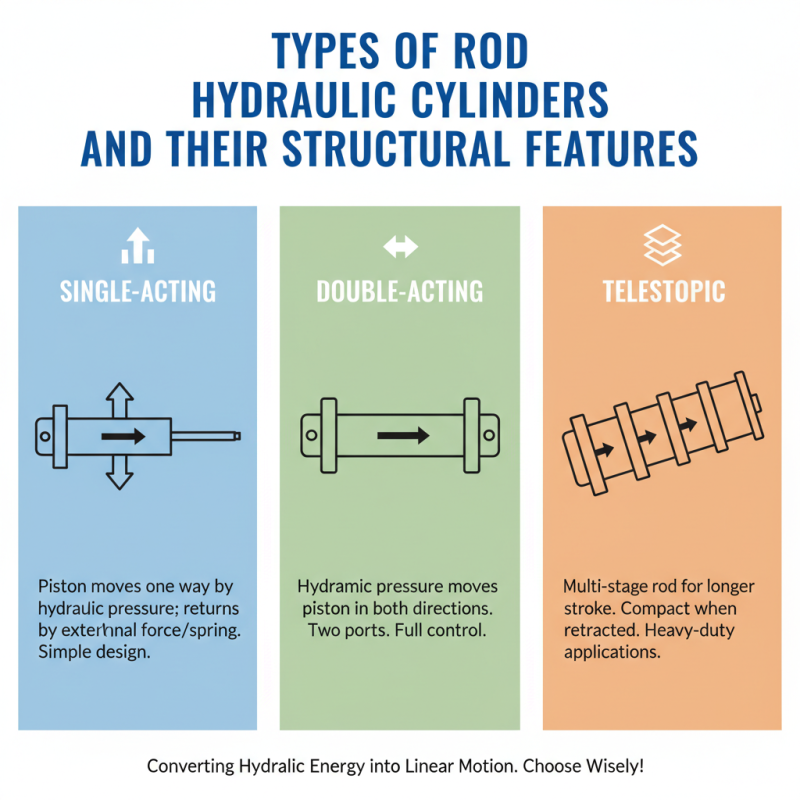
Types of Rod Hydraulic Cylinders and Their Structural Features
Rod hydraulic cylinders are vital components in many industrial applications. They convert hydraulic energy into linear motion. Understanding their types and features is essential for proper usage. Each type has unique structural characteristics that suit different applications.
There are several rod hydraulic cylinder types. Single-acting cylinders use hydraulic fluid to extend the rod only. The return is accomplished through spring action or external force. Double-acting cylinders allow movement in both directions. They provide more control and force. Telescopic cylinders have multiple stages, delivering longer strokes with compact designs. This feature is handy in space-restricted environments.
Each cylinder type has specific structural features. Single-acting cylinders are simpler, while double-acting ones are more complex. Telescopic designs require precise engineering to ensure smooth operation. While these cylinders are effective, they can be prone to wear and misalignment. Regular maintenance is crucial to prolong their lifespan and efficiency. Understanding these details helps in making informed decisions when selecting rod hydraulic cylinders.
Key Applications of Rod Hydraulic Cylinders in Various Industries
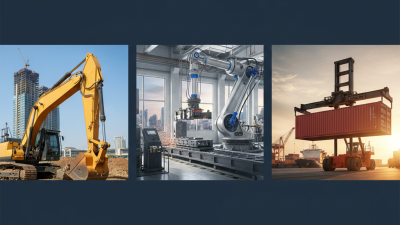
Rod hydraulic cylinders play crucial roles across diverse industries. In construction, they provide essential force for heavy machinery. According to the International Fluid Power Society, the construction sector relies heavily on hydraulic systems, with approximately 30% of machinery using hydraulic cylinders. Their ability to lift substantial weight efficiently makes them indispensable.
In agriculture, rod hydraulic cylinders also contribute significantly. These cylinders assist in equipment like plows and harvesters. Acknowledging the demand, the Agricultural Engineering Department reported that 25% of modern farming equipment includes hydraulic systems. This evolution supports greater efficiency in food production, albeit with some concerns about hydraulic fluid leaks and environmental impacts.
Additionally, in manufacturing and automation, the precision of rod hydraulic cylinders is vital. They enable accurate movements in robotic arms and transportation systems. Research shows that these cylinders can enhance production speed by 15%. However, the reliance on hydraulic technology can lead to maintenance challenges. Understanding the applications and limitations of these cylinders is essential for operational longevity.
Understanding the Performance Ratings of Hydraulic Cylinders
Hydraulic cylinder performance ratings hinge on several crucial factors. These include pressure, bore size, and stroke length. Industry standards emphasize that a cylinder’s pressure rating is vital. Standard hydraulic cylinders may handle pressures up to 2500 psi. However, high-performance models can reach 5000 psi or more. This increase in pressure enhances lifting capacity and efficiency.
The bore size plays a key role in the force generated. For instance, a cylinder with a 4-inch bore can exert over 2000 pounds of force at 2000 psi. Thus, selecting the correct bore size is essential for achieving desired operational performance. Hydraulic cylinders may also vary in stroke length, impacting overall movement capacity. According to a recent report by IBISWorld, the demand for customized hydraulic cylinders is on the rise. This customization helps meet specific application needs in industries such as manufacturing and construction.
Despite these metrics, performance ratings can be misleading. Variations in hydraulic fluid viscosity and operating temperature may affect actual performance. Engineers often overlook these factors, leading to potential inefficiencies. It is crucial for users to regularly assess their hydraulic systems. Understanding these ratings ensures better application in real-world scenarios.
Understanding Rod Hydraulic Cylinder Types and Their Applications
| Cylinder Type |
Bore Diameter (inches) |
Rod Diameter (inches) |
Stroke Length (inches) |
Max Pressure (psi) |
Application |
| Single-Acting Cylinder |
2.0 |
1.0 |
12.0 |
3000 |
Lifting and Pushing |
| Double-Acting Cylinder |
3.0 |
1.5 |
24.0 |
2500 |
Dumping and Material Handling |
| Telescoping Cylinder |
4.0 |
2.0 |
36.0 |
2200 |
Construction Equipment |
| Rotary Actuator |
2.5 |
1.2 |
15.0 |
1800 |
Material Handling and Doors |
Factors Affecting the Selection of Rod Hydraulic Cylinders
When selecting rod hydraulic cylinders, several key factors influence the decision-making process. Load capacity is critical; cylinders must withstand the force required without failure. The operating environment also matters greatly. For example, outdoor machines may need corrosion-resistant materials. Inside factories, temperature variations can affect cylinder performance and lifespan.
Stroke length and speed of operation play important roles too. A longer stroke allows more movement but might reduce precision. High-speed applications demand cylinders that respond quickly without overheating or excessive wear. Seal type selection is another subtle but vital detail. Poorly chosen seals can lead to leaks and downtime.
It’s worth noting that the complexity of applications sometimes leads to over-engineering. Over-specifying cylinder features can increase cost without real benefits. Balancing cost, durability, and performance remains challenging. Professionals often rely on experience but recognizing limitations in knowledge is part of good practice. Understanding these nuances helps in making practical hydraulic cylinder choices.
Understanding Rod Hydraulic Cylinder Types and Their Applications
This chart illustrates the different types of rod hydraulic cylinders and their applications, showcasing the frequency of use in various industries.
Maintenance Practices for Ensuring Longevity of Hydraulic Cylinders
Proper maintenance of hydraulic cylinders is crucial for their longevity. Regular inspection is essential. Look for leaks, corrosion, or any signs of wear. These issues can lead to significant failures if left unattended. Cleaning the cylinder helps prevent dirt accumulation. Dirt can cause scratches on the rod, leading to premature failure.
Lubrication is another key practice. Ensure that moving parts are adequately lubricated. This reduces friction and wear, extending the cylinder's life. Pay attention to the seals. They must be intact and functional to prevent contaminants from entering. Inspect seals regularly, as their failure can result in major leaks and costly repairs.
Training for maintenance staff is vital. Knowledgeable technicians can identify potential problems before they escalate. Develop a maintenance schedule and stick to it. Neglecting regular check-ups can lead to unexpected downtime. Each cylinder is different, and understanding specific needs is important. Adjust practices based on the working environment.

 +86-13349293098
 Contact WhatsApp
 Contact Email