Top 5 Tips for Choosing the Right Dump Bed Cylinder
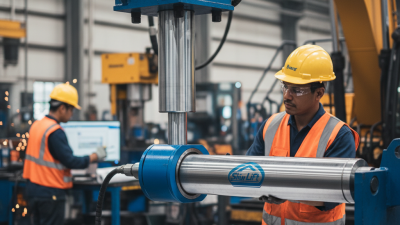
When it comes to selecting the right Dump Bed Cylinder, industry expert John Smith emphasizes, "The right choice can significantly enhance your truck's efficiency." The Dump Bed Cylinder is critical for the operation of dump trucks. This component directly impacts how well your vehicle performs its tasks. Therefore, making an informed decision is essential.
Choosing the appropriate Dump Bed Cylinder involves careful consideration. It’s vital to evaluate factors like weight capacity, cylinder design, and material durability. Each of these elements plays a key role in how effectively a cylinder can function. Experts often stress the importance of matching the cylinder specifications with the truck's requirements.
Remember, the wrong choice can lead to inefficiencies. You may face breakdowns or increased maintenance costs. As John Smith suggests, "Take the time to analyze your needs before making a purchase." This will ensure that your Dump Bed Cylinder is a reliable tool that serves your operation well.

Understanding the Functionality of Dump Bed Cylinders
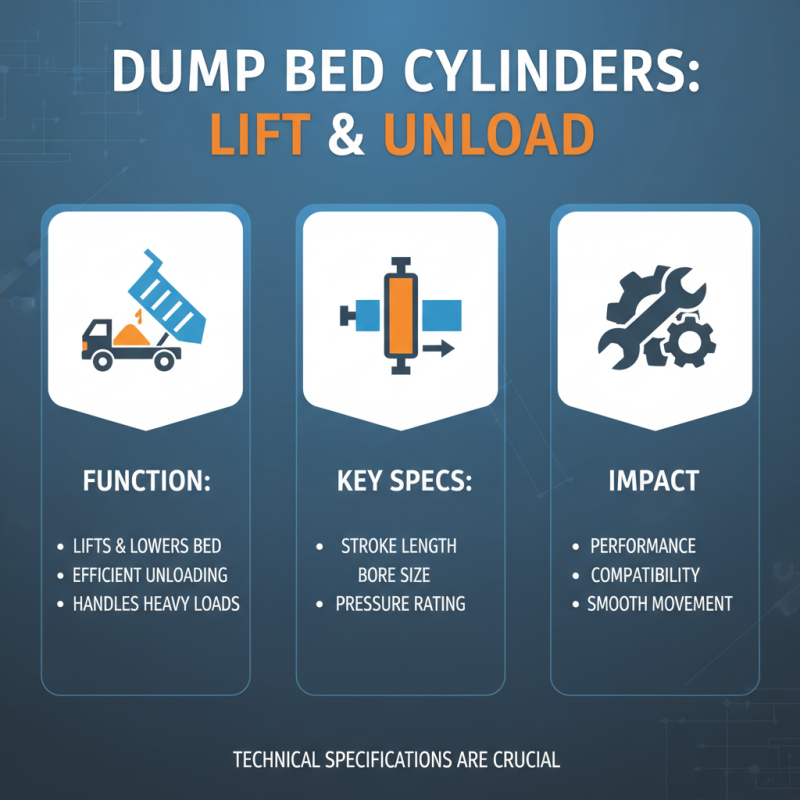
Dump bed cylinders play a crucial role in the operation of dump trucks. Their primary function is to lift and lower the dump bed, allowing for efficient unloading of materials. A well-designed cylinder can handle heavy loads while ensuring smooth movement. Understanding the technical specifications is essential. Look for details like stroke length, bore size, and pressure rating. These factors significantly affect performance and compatibility with your equipment.
When selecting a dump bed cylinder, it’s important to evaluate the environment it will operate in. Harsh weather conditions can affect its longevity. Dust, moisture, and extreme temperatures can lead to wear and failure. Improper installation can lead to operational issues, so make sure to follow guidelines closely. Regular maintenance checks can help identify problems early, but many neglect this step, leading to unexpected failures.
Also, consider the weight capacity you need. Underestimating this can cause serious complications. A cylinder that is too small may struggle with heavy loads, which can lead to accidents. Always err on the side of caution, and aim for cylinders that have a higher capacity than you think you need. Balancing functionality with reliability is key to making the right choice.
Key Specifications to Consider When Selecting a Dump Bed Cylinder
When selecting a dump bed cylinder, several key specifications require careful consideration.
Weight capacity is paramount. Most industrial data suggests that a cylinder should handle at least
15% more than the maximum load expected. This conservative approach helps prevent premature wear or failure.
Typically, cylinders with a capacity of 10 tons are widely used in construction and agricultural industries.
Cylinder stroke length is another critical factor. The stroke length should align with
the height of the dump bed to ensure efficient operation. Standard stroke lengths range from 18 to 48 inches, based on average dump bed sizes.
However, unique equipment designs may necessitate custom lengths. This customization is crucial, as a mismatch can lead to
operational inefficiencies.
Additionally, consider the type of seals used. High-quality seals can extend the cylinder's life significantly.
Research indicates that cylinders with advanced seal technology can reduce leakage rates by up to 30%. However, finding reliable manufacturers
can be challenging. A lack of certification or industry validation can lead to subpar performance. This uncertainty makes it essential to verify supplier
credentials before purchasing.
Evaluating Different Materials for Durability and Performance
When selecting a dump bed cylinder, material choice significantly impacts durability and performance. Common materials include steel, aluminum, and composites, each offering unique benefits and drawbacks.
Steel, known for its strength, can withstand heavy loads. However, it is also prone to rust without proper treatment.
Aluminum, while lightweight and resistant to corrosion, may not handle extreme pressures as well. Composites offer a balance, but their long-term durability remains under scrutiny.
Industry reports indicate that over 50% of failures in hydraulic cylinders stem from material fatigue. Understanding material performance in relevant applications is crucial. For instance, a study revealed that aluminum cylinders could last up to 20% less than their steel counterparts under severe loading conditions. This data emphasizes the importance of material evaluation.
Weight reduction is vital in transportation. A lighter dump bed can enhance fuel efficiency. However, it’s essential to balance weight with strength. Choosing the right material requires careful consideration of your specific demands. Understanding these trade-offs can guide you in making a more informed decision.
Analyzing Compatibility Factors with Your Dump Truck Model
Choosing the right dump bed cylinder involves understanding the unique compatibility factors with your specific dump truck model. Each truck has distinct requirements based on weight capacity, hydraulic system, and frame design. It’s essential to carefully assess these aspects before making a purchase. An improper fit could lead to operational inefficiencies or even mechanical failures.
One important tip is to measure the length and diameter of your existing cylinder. This ensures that the new cylinder will align properly with the dump bed and the hydraulic system. Also, check the mounting styles; variations can significantly affect performance. Understanding compatibility helps you avoid the pitfalls of mismatched components.
Another area to explore is the hydraulic flow rate. This parameter influences how quickly your dump truck can lift and lower the bed. If the cylinder operates outside your truck’s hydraulic capacity, it may lead to reduced effectiveness. Ignoring these details could cost you time and money down the line. Regular maintenance is equally crucial; a well-maintained cylinder improves reliability and extends lifespan.
Top 5 Compatibility Factors for Choosing the Right Dump Bed Cylinder
This chart illustrates the importance level of various compatibility factors when selecting a dump bed cylinder for your dump truck model. Each factor is rated on a scale of 1 to 10, highlighting aspects to consider like weight capacity, extension length, and more.
Budgeting for Quality: Cost Considerations in Cylinder Selection
When selecting a dump bed cylinder, budgeting is a critical consideration. Quality often comes with a price tag that is important to understand. Industry reports suggest that high-quality cylinders can range from $2,000 to $5,000, depending on capacity and construction material. Investing in a durable cylinder can save money in the long run by minimizing maintenance costs.
It is essential to weigh the costs against the benefits of efficiency and longevity. A cheaper cylinder may lead to frequent repairs. According to a survey by the Manufacturing Institute, 30% of equipment failures are attributed to poor-quality components. This statistic highlights the risks of cutting corners on quality.
Evaluating the total cost of ownership also matters. Maintenance and replacement costs can add up over time. Some cylinders have a lifespan of up to ten years with proper care, while others may fail within a few years due to material fatigue. Such disparities emphasize the need for careful investment and thorough research prior to purchasing machinery.
Top 5 Tips for Choosing the Right Dump Bed Cylinder - Budgeting for Quality: Cost Considerations in Cylinder Selection
| Tip Number |
Tip Description |
Estimated Cost Range |
Quality Indicators |
| 1 |
Assess the Load Requirements |
$150 - $300 |
Material strength, Load capacity rating |
| 2 |
Evaluate Cylinder Size |
$200 - $400 |
Diameter, Stroke length, Fitment validation |
| 3 |
Consider Operating Pressure |
$100 - $250 |
Pressure rating, Safety certifications |
| 4 |
Research Manufacturer Reputation |
$0 - $150 |
Customer reviews, Industry reputation |
| 5 |
Calculate Total Cost of Ownership |
$300 - $600 |
Maintenance costs, Warranty terms |

 +86-13349293098
 Contact WhatsApp
 Contact Email