Top 10 Loader Lift Cylinder Features You Should Know?
In the world of construction and heavy machinery, the Loader Lift Cylinder is a vital component. It plays a crucial role in the performance of various lifting operations. Understanding its features is essential for operators and engineers. This knowledge can lead to better decision-making in equipment selection and maintenance.
Not all Loader Lift Cylinders are created equal. Some have advanced capabilities like enhanced durability and efficiency. Others may lack essential safety features, which can be risky. The right cylinder can improve productivity, but the wrong choice might lead to downtime and repair costs.
As technology evolves, buyers should consider the latest advancements in Loader Lift Cylinder design. These advancements not only enhance performance but also ensure operator safety. There is much to learn and reflect on. Making informed choices can lead to substantial improvements in operational success.
Key Functions of Loader Lift Cylinders in Heavy Machinery
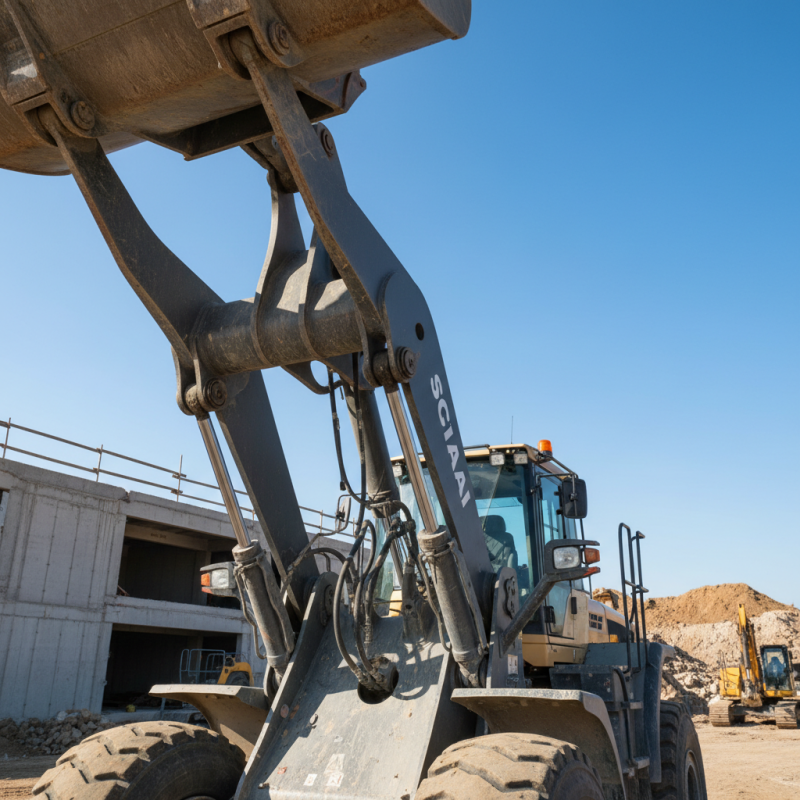
Loader lift cylinders are essential in heavy machinery. They play a critical role in lifting and lowering heavy loads. These hydraulic components convert fluid pressure into mechanical force. A well-functioning lift cylinder improves overall efficiency on job sites. Workers rely on them to handle various tasks safely.
The design of a loader lift cylinder greatly impacts performance. Key features include rod design and seal quality. High-quality seals prevent leaks and enhance durability. Additionally, the cylinder's material affects strength and weight. Some operators overlook these details when selecting equipment. This can lead to reduced productivity and increased maintenance costs.
Moreover, proper maintenance is often neglected. Scheduling regular inspections can identify wear and tear early. Operators must be aware of abnormal sounds during operations. Ignoring these signs can lead to bigger issues down the line. Lift cylinders should not be an afterthought; they are crucial for safe and effective machinery operation.
Top 10 Loader Lift Cylinder Features
This chart illustrates the top 10 features of loader lift cylinders along with their importance ratings. The ratings are on a scale from 1 to 10, signifying how crucial each feature is in the context of heavy machinery performance.
Material Considerations for Durable Loader Lift Cylinders
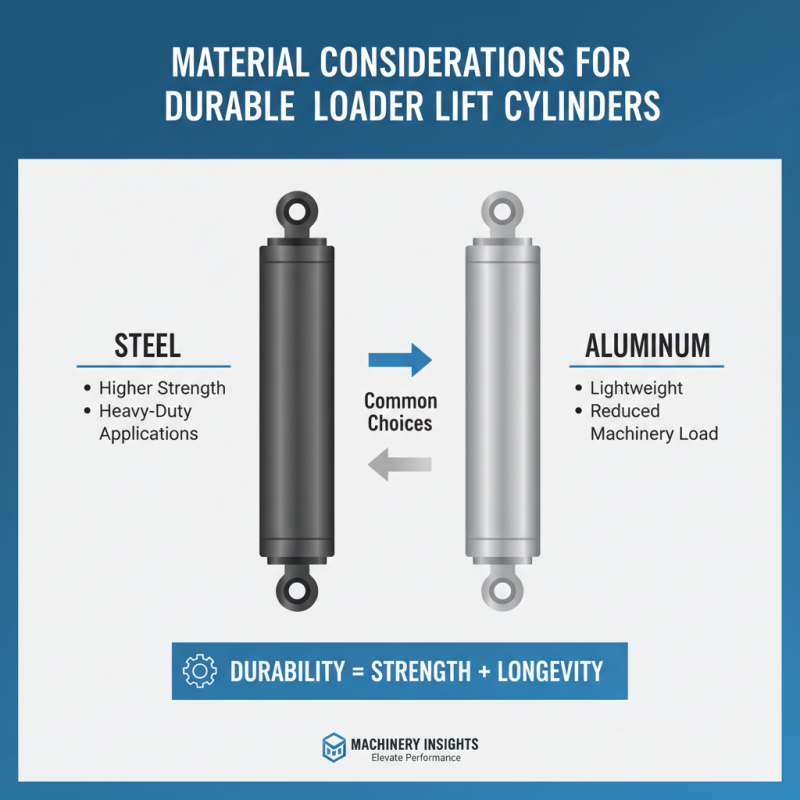
When considering loader lift cylinders, material plays a critical role. Durable materials contribute to the overall strength and longevity of these cylinders. Steel and aluminum are common choices. Steel offers higher strength, often used in heavy-duty applications. Aluminum, being lightweight, is advantageous for reduced machinery load.
However, choosing the right material is not just about strength. Corrosion resistance is vital too. If a cylinder is exposed to harsh environments, the wrong material can lead to damage. For instance, stainless steel can be a good option due to its resistance to rust. Yet, it often comes at a higher cost.
It’s also essential to consider the manufacturing process. A well-designed cylinder provides the necessary toughness. However, poor quality can result in failures over time. Attention must be paid to the welding and sealing techniques. These details can make or break the longevity of the lift cylinder. Small oversights can lead to significant issues later, prompting a need for continuous reflection and improvement in material choice and design.
Hydraulic Performance: Pressure and Flow Rate Factors
When considering loader lift cylinders, hydraulic performance is paramount. The pressure and flow rate significantly influence the overall efficiency. According to industry studies, optimal pressure levels can range from 2000 to 3000 PSI. Maintaining this range enhances the lifting capabilities of the cylinder and ensures safety in operations. Additionally, the flow rate directly impacts the speed of operation. A typical hydraulic system can operate at flow rates between 10 to 30 gallons per minute (GPM). Higher flow rates generally yield faster response times.
Tip: Regularly inspect your hydraulic system for leaks. Even minor leaks can lead to significant performance drops.
Another aspect to consider is the compatibility of fluids. The hydraulic fluid's viscosity should match the specified requirements. Using the wrong type can create excessive wear or inefficient power transfer. Some reports indicate that approximately 40% of hydraulic failures are due to inappropriate fluids.
Tip: Always check the manufacturer's specifications for hydraulic fluid recommendations. This simple step can prevent costly repairs down the line.
It's essential to monitor the temperature of hydraulic fluids as well. Elevated temperatures can degrade fluid quality, reducing effectiveness. Keeping the system cool helps maintain performance and longevity.
Common Safety Features in Loader Lift Cylinder Designs
When it comes to loader lift cylinders, safety is paramount. One key feature is the integrated check valve. This prevents the load from falling if the system loses pressure. Also, a robust design minimizes the risk of cylinder failure. These aspects are crucial for operator safety.
Another important aspect is the presence of pressure relief valves. These valves help manage the hydraulic pressure and prevent overloading. A properly functioning relief valve can save lives. Operators should always check if these valves are in place. Regular maintenance can prevent potential issues.
It's essential to think about the materials used in construction. High-quality materials can withstand harsh conditions. However, weaker materials may lead to unexpected failures. Operators should be aware of the signs of wear and tear. Regular inspections can help identify potential risks before they escalate.
Maintenance Tips for Longevity of Loader Lift Cylinders
Loader lift cylinders play a crucial role in heavy machinery. Proper maintenance can extend their lifespan significantly. According to industry reports, regular inspections can prevent up to 40% of premature failures. Analyzing the hydraulic fluid regularly is essential. Contaminated fluid can cause significant damage to seals and pistons.
Lubrication is vital for cylinder performance. A thin layer of grease can reduce wear and tear. Operators should monitor for leaks closely. Even a small leak can indicate underlying issues. Regular cleaning is necessary. Dirt and debris can lead to blockages and reduced efficiency. Keeping the cylinders free of grime can help maintain optimal function.
Additionally, understanding temperature fluctuations is crucial. Abnormal temperatures can lead to cylinder deformation. Operators should always consider environmental factors during operation. It’s important to note that improper storage can damage the cylinders as well. Increased awareness of these aspects can enhance overall reliability. It's a reminder that neglecting maintenance can be costly.

 +86-13349293098
 Contact WhatsApp
 Contact Email