+86-13349293098


Loader Lift Cylinders play a crucial role in modern equipment. They are essential for lifting and moving heavy loads efficiently. These cylinders are used in various applications, from construction to agriculture. Knowing the types of Loader Lift Cylinders can help operators choose the right one for their needs.
Different Loader Lift Cylinder types cater to specific tasks. For example, single-acting cylinders are simple and cost-effective. However, they may lack efficiency in complex operations. On the other hand, double-acting cylinders provide better performance. Yet, they can be more challenging to maintain.
It’s important to reflect on the right application for each type. Misuse can lead to equipment failure and safety risks. Understanding the unique features of each Loader Lift Cylinder type is vital. Operators must weigh the pros and cons to ensure effective use. This knowledge enhances performance and safety in various tasks.
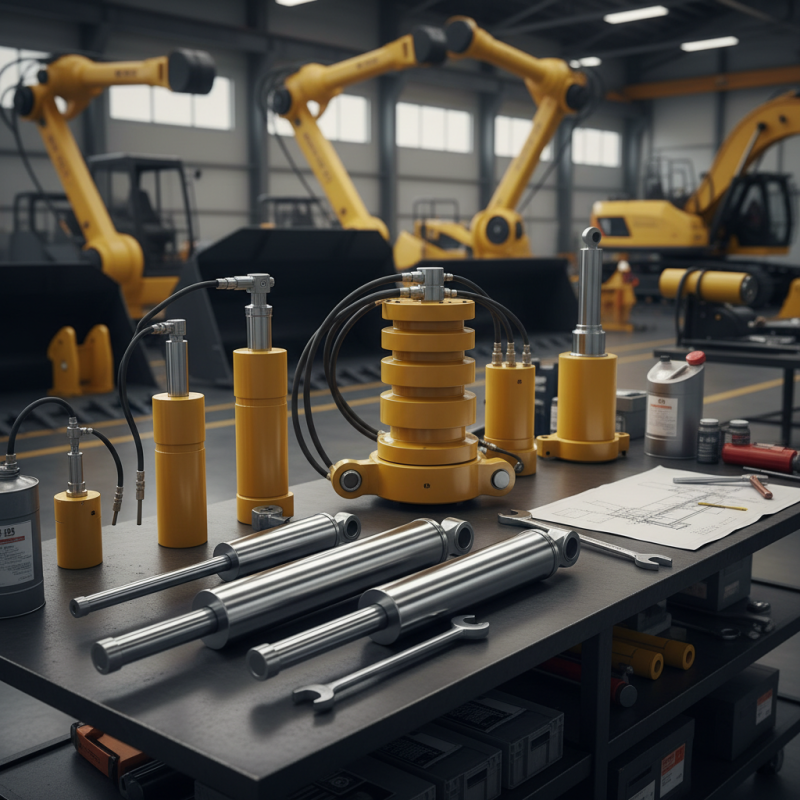
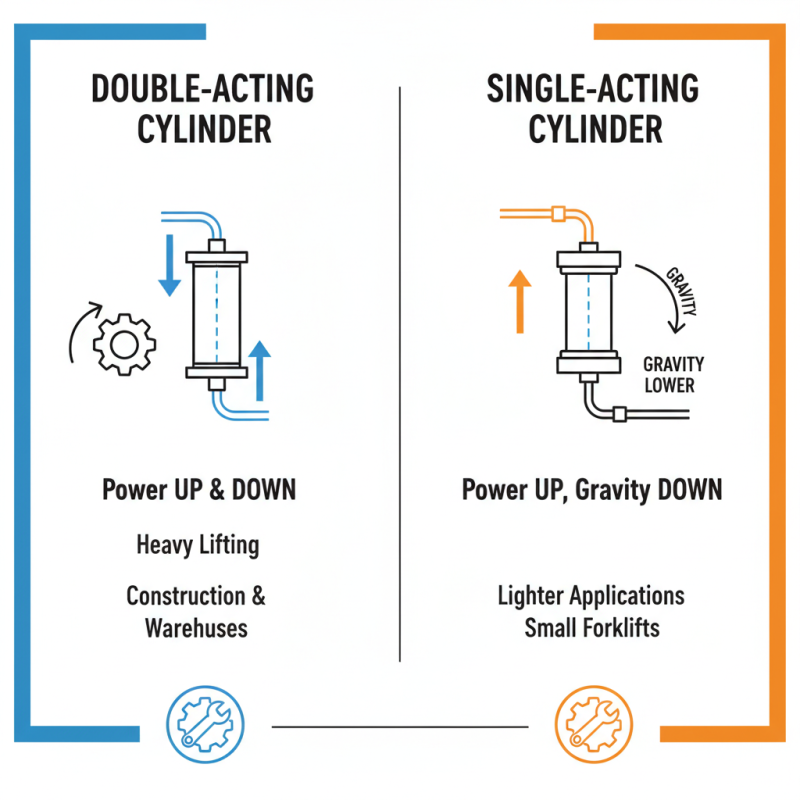
Top loader lift cylinders come in various types, each designed for specific applications. The most common types include double-acting and single-acting cylinders. Double-acting cylinders provide power in both directions, making them ideal for heavy lifting. They are found in construction equipment and warehouses. Single-acting cylinders, on the other hand, use pressure to lift and gravity to lower. These are often used in lighter applications, like small forklifts.
Another interesting type is the telescopic lift cylinder. This design allows for extended movement without taking up much space. It’s quite useful in applications where height matters. Think of trucks loading cargo. The telescopic nature lets operators maximize lift height, improving efficiency. However, operators must be wary of wear and tear, as these cylinders can be more vulnerable to damage.
Moreover, hydraulic cylinders are popular for their smooth operation. They convert fluid pressure into mechanical force. Yet, maintenance can become an issue if the seals wear out. Regular checks are essential. Operators can sometimes overlook this, leading to inefficiencies. Each type of cylinder has its strengths and weaknesses, highlighting the need for careful selection based on specific tasks.

Top loader lift cylinders play a vital role in various industries today. Their design allows for easier lifting and moving of heavy equipment and materials. According to a recent industry report, the global market for lift cylinders is expected to reach $4.2 billion by 2025. This growth indicates their rising importance in sectors like construction, agriculture, and manufacturing.
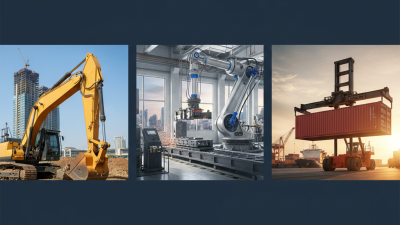
In construction, top loader lift cylinders facilitate loading and unloading activities. They are used in cranes and telehandlers, allowing operators to handle heavy loads efficiently. A study shows that these cylinders increase productivity by up to 30% in material handling tasks. However, improper maintenance can lead to significant performance issues. Many operators overlook regular inspections, which can result in unexpected downtime or accidents.
The agricultural sector also heavily relies on lift cylinders. They are crucial in loading grain and transporting produce. Reports indicate that using advanced lift cylinder technology can enhance farm efficiency by reducing labor costs. Nonetheless, the implementation of new systems can face resistance from traditional operators. Bridging the gap between old practices and modern technology remains a challenge.
When choosing between hydraulic and pneumatic lift cylinders, it's crucial to evaluate their specific applications. Hydraulic cylinders use pressurized fluid for power, often producing more force. They can handle heavy loads, making them ideal for construction and manufacturing equipment. According to industry reports, hydraulic systems operate at pressures of 1500 to 3000 PSI, providing impressive lifting capabilities. They excel in applications where stability and precision are pivotal.
On the other hand, pneumatic cylinders utilize compressed air, making them lightweight and easy to control. They are commonly found in packaging, automotive, and assembly lines. Industry studies indicate that pneumatic systems can achieve cycle times as fast as 0.5 seconds. However, these systems can lack the force needed for heavy loads. Issues related to air leakage can undermine efficiency, leading to performance inconsistency.
It's worth noting the environmental conditions each system faces. Hydraulic fluid can leak, posing environmental risks and requiring frequent maintenance. Pneumatic systems typically face less environmental impact but are sensitive to temperature changes. Making informed choices in lift cylinder selection is essential, as it directly influences productivity and safety in modern equipment.
| Cylinder Type | Mechanism | Applications | Advantages | Disadvantages |
|---|---|---|---|---|
| Hydraulic Cylinder | Uses pressurized fluid | Construction machinery, forklifts, material handling | High force output, smooth operation | Requires maintenance, risk of leaks |
| Pneumatic Cylinder | Uses compressed air | Assembly lines, packaging, robotics | Quick response, lightweight | Lower force than hydraulic, limited control |
| Double-Acting Hydraulic Cylinder | Pressure applied on both sides | Presses, lifts, and any application needing retract function | Powerful retract and extend capabilities | Complex installation, higher cost |
| Single-Acting Hydraulic Cylinder | Pressure applied on one side | Lifting applications and pressing operations | Simpler design, cost-effective | Slower retract cycle, gravity-reliant |
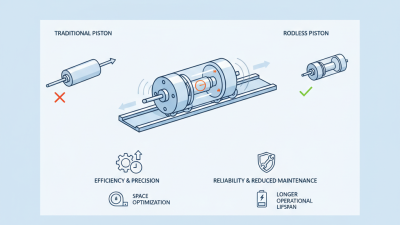
| Rodless Cylinder | Linear motion without external rod | Conveyor systems, automation | Space-efficient, flexible design | Potentially more complex maintenance |
When selecting lift cylinders for top loaders, several crucial factors come into play. The weight capacity is paramount. Assess the maximum load the cylinder will handle. This directly impacts the cylinder size and specifications. Ensure that the cylinder is robust enough for heavy-duty tasks without compromising safety.
Another important factor is the stroke length. Different applications require different ranges of motion. A standard stroke may suffice for general tasks, but specialized tasks may demand longer strokes. Additionally, consider the mounting options. Compatibility with the loader's design is essential. Improper fit can lead to operational inefficiencies.
Material selection also plays a role. Aluminum and steel are common choices, with steel offering durability for heavy operations. However, weight may be a concern for mobile equipment. Finally, temperature extremes can affect performance. If the equipment operates in harsh environments, choosing cylinders designed to withstand these conditions is crucial. The choice of lift cylinder involves weighing all these factors carefully to ensure optimal performance.
Top loader lift cylinders are crucial in modern equipment, providing the necessary force for lifting operations. However, their maintenance is often overlooked. Inadequate care can lead to catastrophic failures. According to industry analyses, about 30% of lift cylinder failures result from poor maintenance practices. Regular inspection and servicing can prevent such issues.
Safety considerations are paramount. Operators must be trained to identify signs of wear or malfunction. Any leaks or irregular movements should be flagged immediately. Non-compliance can result in severe accidents. Studies indicate that facilities with robust maintenance protocols see a 40% reduction in workplace incidents related to lift cylinder failures. These statistics highlight the importance of vigilance.
Moreover, maintenance routines should include checking seals and fluid levels. Neglecting these aspects can diminish performance and increase risks. Operators often undervalue preventive measures. Simple tasks, like cleaning the cylinder fitted with a protective cover, can extend its lifespan significantly. Keeping records of maintenance can also help in tracking the performance and anticipating future issues.