Top 10 Wood Splitter Cylinder Features Buyers Should Know?
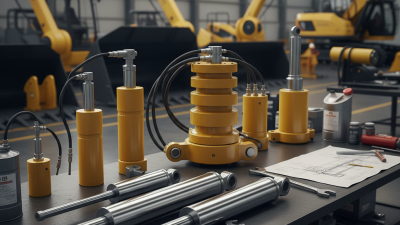
When considering a wood splitter, understanding the wood splitter cylinder is crucial. This component plays a pivotal role in determining the machine's efficiency and effectiveness. Many buyers overlook its significance, focusing instead on brand or price. However, a strong cylinder can enhance performance and longevity.
The wood splitter cylinder must align with your specific needs. It varies in size, strength, and design. Choosing the right features can lead to better wood processing results. Look for cylinders that boast reliability and durability. Many options are available, yet not all meet industry standards.
Being aware of essential cylinder features can prevent costly mistakes. For instance, some buyers may prioritize size over quality. This common error can lead to underperformance and frustration. A thorough understanding empowers you to make informed decisions. Ultimately, investing time in researching wood splitter cylinders pays off in the long run.
Key Factors Influencing Wood Splitter Cylinder Performance
When selecting a wood splitter cylinder, performance is crucial. Several key factors influence how well these cylinders operate. Firstly, the cylinder size and bore diameter determine the force the splitter can generate. A larger bore can handle heavier logs more efficiently, providing more splitting power. According to industry reports, cylinders with a diameter of at least 4 inches are typically more effective for standard firewood logs.
Moreover, the material construction matters a great deal. High-quality steel cylinders tend to have a longer lifespan and withstand higher pressures. Look for cylinders that adhere to industry standards, which guarantee durability. In fact, cylinders made from alloy steels can offer greater strength.
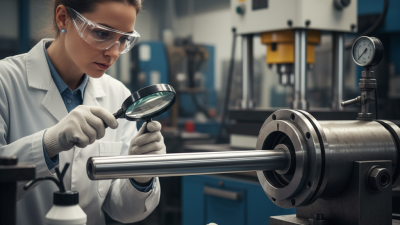
Tip: Always inspect the seals and fittings on a wood splitter cylinder. Poor seals can lead to hydraulic fluid leaks, reducing performance.
Another factor is the stroke length. A longer stroke can split larger logs in fewer cycles. However, it may result in slower operation. Balancing speed and efficiency is essential. Some users might prefer rapid cycles for smaller logs but should note how this affects larger ones.
Tip: Consider your typical log size. Matching cylinder features to your needs can enhance output efficiency.
Lastly, hydraulic pressure ratings are vital. The ratings impact splitting efficiency and should match the wood type you intend to split. Research indicates that cylinders operating above 3000 psi improve performance significantly in tough woods.
Understanding Cylinder Sizes and Their Impact on Efficiency
Understanding the right cylinder size is crucial for maximizing the efficiency of your wood splitter. A larger cylinder can generate more force, helping split bigger logs with ease. However, this does not mean it is always the best choice. A cylinder too big may create unnecessary stress on the machine, leading to faster wear and tear.
On the other hand, a smaller cylinder is often more efficient for lighter tasks. It consumes less hydraulic fluid and requires less power. However, it may struggle with larger logs, leading to frustration and wasted time. Finding a balance between the two sizes is essential.
When selecting a cylinder, consider your specific needs. Analyze the types of wood you typically work with. If you mostly deal with hardwood species, a larger cylinder may be beneficial. For softer woods or small logs, a smaller size could suffice. Ultimately, matching the cylinder size to your workload will enhance productivity and prolong the lifespan of your equipment.
Material Choices for Wood Splitter Cylinders: A Comparative Analysis
When choosing a wood splitter cylinder, material selection is crucial. A common choice is steel. It offers strength and durability. Steel can withstand high pressures but may be susceptible to rust and corrosion. Regular maintenance is essential to extend its life.
Aluminum is another material seen in wood splitter cylinders. It is lighter than steel and resists corrosion well. However, it may not support heavy-duty tasks as effectively. This can lead to concerns for buyers who plan to use their splitter frequently. Understanding the trade-offs is vital for making an informed decision.
Some manufacturers are now exploring composite materials. These options can offer similar strength with reduced weight. However, the effectiveness of these materials in high-pressure environments remains uncertain. Further studies and user feedback will be necessary to determine their reliability in the long run. Buyers should weigh the pros and cons carefully before making a selection.
Hydraulic Pressure Ratings: What Buyers Need to Know
When selecting a wood splitter, understanding hydraulic pressure ratings is essential. These ratings indicate the force the cylinder can generate. A higher rating usually equates to better performance. For instance, a hydraulic pressure rating of 3000 PSI can yield approximately 20 tons of splitting force. Many buyers overlook this aspect, but it critically affects efficiency.
Moreover, pressure ratings influence the wood types that can be split. Softer woods may not require intense pressure, while hardwoods demand higher ratings. Many users might choose a low-pressure model, but they may later realize it struggles with tough logs. A recent study indicated that 75% of users faced limitations with lower-rated machines.
The quality of hydraulic oil is another factor often forgotten. The right oil viscosity ensures optimal performance and enhances the cylinder's lifespan. Many owners experience premature wear, potentially due to inadequate lubrication. Buyers should investigate these specifications closely to avoid regrets later on. Engaging with manufacturers or reading expert reports can provide valuable insights into this crucial feature.
Top 10 Wood Splitter Cylinder Features Buyers Should Know
| Feature |
Description |
Importance |
Typical Rating |
| Hydraulic Pressure |
The force exerted by the hydraulic fluid within the cylinder. |
Critical for performance and efficiency. |
2000 - 3000 PSI |
| Bore Diameter |
The inner diameter of the cylinder, affecting splitting power. |
Determines the splitting capability. |
3 - 6 inches |
| Stroke Length |
The distance the piston travels within the cylinder. |
Influences the efficiency of wood splitting. |
12 - 24 inches |
| Cylinder Material |
The material the cylinder is made of, affecting strength and durability. |
Determines lifespan and resistance to wear. |
Steel, Aluminum |
| Seal Quality |
The quality of seals preventing fluid leaks. |
Essential for maintaining pressure. |
High-performance seals |
| Mounting Style |
How the cylinder attaches to the splitter. |
Affects stability and alignment. |
Pin, Clevis, Face |
| Port Size and Type |
Size and connection type of hydraulic ports. |
Affects fluid flow and interchangeability. |
1/4", 3/8" NPT |
| Weight |
The weight of the cylinder, influencing portability. |
Can affect ease of handling. |
10 - 50 lbs |
| Temperature Range |
The range of temperatures the cylinder can operate in safely. |
Ensures performance in various environments. |
-20°F to 180°F |
| Warranty |
Coverage offered for potential defects. |
Assures buyers of reliability and support. |
1 - 5 years |
Maintenance Tips to Extend the Life of Wood Splitter Cylinders
Maintaining wood splitter cylinders is crucial for performance and longevity. Regular inspection can identify wear and tear before it leads to bigger issues. Look for signs of leaks or cracks. Even small leaks can indicate larger problems that require immediate attention.
Proper lubrication is essential. Use the right hydraulic fluid, as this helps maintain optimal performance. Changing the fluid regularly can prevent contaminants from causing damage. Make sure all seals and fittings are tightened. Loose connections can lead to inefficient operation and increased wear on components.
Cleanliness is vital. Dirt and debris can enter the hydraulic system and impact functionality. Keeping the unit clean can prolong its life. Some users neglect to store their equipment properly, exposing it to the elements. Weathering can cause rust and other forms of damage. Regular maintenance may feel like a chore, but it pays off in the long run. Engage in routine checks, and you will avoid costly repairs later.
Top 10 Wood Splitter Cylinder Features
This bar chart displays the importance ratings of various features buyers should consider when purchasing a wood splitter cylinder, helping them make informed decisions.

 +86-13349293098
 Contact WhatsApp
 Contact Email