What Are the Best Slewing Bearing Manufacturers in China?
Choosing the best Slewing Bearing manufacturers in China requires more than comparing catalog prices. Performance depends on load capacity, raceway hardness, sealing, gear accuracy, and after-sales support. A bearing that looks identical in a photograph may behave differently under continuous vibration, dust, or uneven mounting.
Industry reports provide useful direction. Grand View Research’s slewing bearing market analysis identifies construction machinery, wind energy, and industrial equipment as important demand sectors. Its findings also reflect steady market growth, driven by infrastructure investment and renewable-energy projects. The China Construction Machinery Industry Association regularly reports strong activity across excavators, cranes, and other equipment categories. These sectors create practical demand for reliable rotational components, not merely low-cost replacements. Still, market growth does not prove that every supplier offers equal quality.
A responsible comparison should examine factory experience, production capacity, inspection equipment, and traceability. ISO 9001 certification is relevant, but certification alone cannot guarantee field performance. Buyers should request dimensional reports, heat-treatment records, material certificates, and application references. Wind-turbine and port-crane projects can reveal more than polished brochures. Ask difficult questions. That is where confidence begins.
This guide will compare leading Chinese manufacturers through engineering capability, customization, delivery consistency, and technical service. It will also consider evidence from recognized industry reports and published company information. Some manufacturers may excel in heavy machinery but lack experience with precision robotics. Others may offer strong testing but weaker overseas support. No ranking is permanently correct. Actual performance depends on correct selection, installation, lubrication, and maintenance. That uncomfortable detail is often overlooked.
Understanding Slewing Bearings and Their Industrial Applications
What Are the Best Slewing Bearing Manufacturers in China?
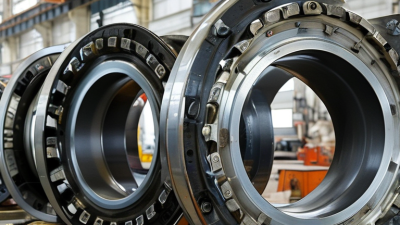
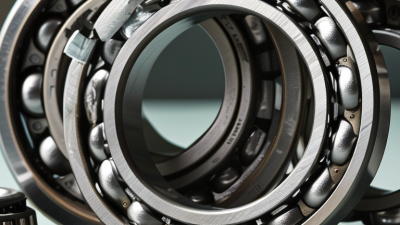
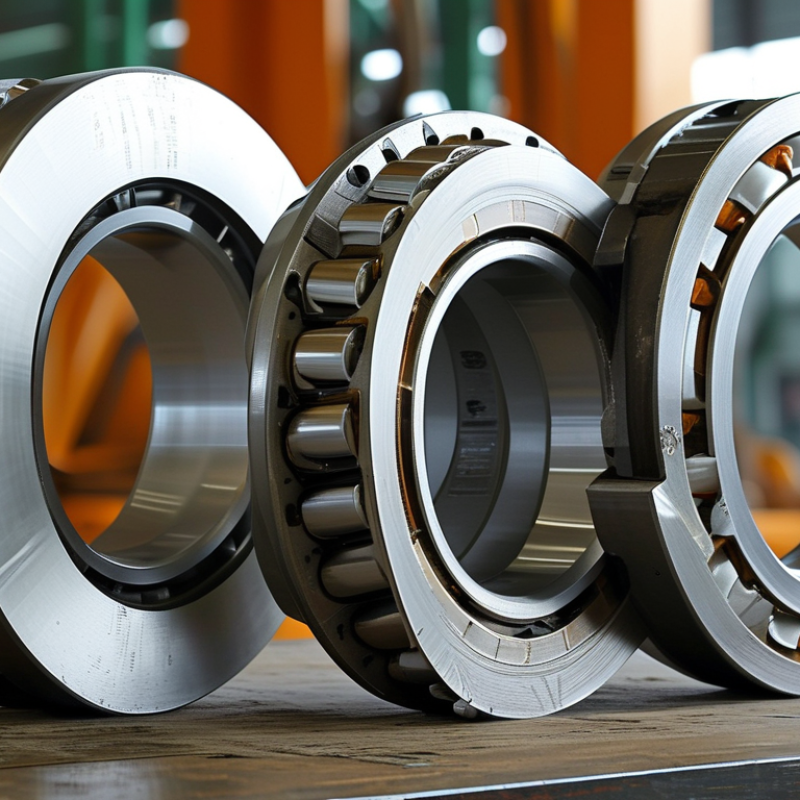
Slewing bearings support slow, heavy rotation between connected machine structures. They combine radial, axial, and tilting moment loads in one compact assembly. Their raceways and gear teeth must remain accurate under repeated stress. Common designs include single-row ball, double-row ball, and crossed roller bearings. Each design suits different load patterns.
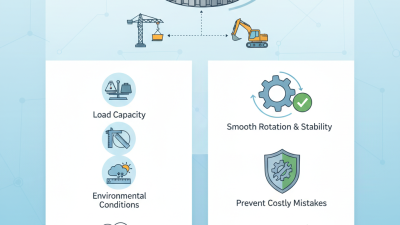
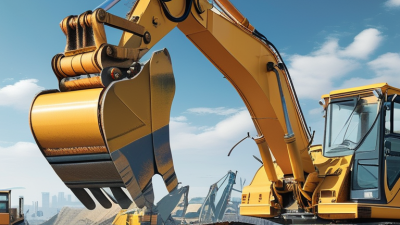
These bearings operate in excavators, cranes, wind turbines, solar trackers, medical scanners, and automated positioning systems. A crane bearing may face shock loads and outdoor contamination. A solar tracker needs low friction and stable movement across long operating periods. In my experience, selecting only by diameter often causes trouble. Load direction, rotation speed, mounting stiffness, sealing, and maintenance access matter equally.
Reliable Chinese manufacturers should provide material certificates, heat-treatment records, dimensional reports, and tested load data. Ask for raceway hardness values and gear accuracy results. Traceability is essential when a bearing enters a large machine. Factory audits can reveal inspection habits that brochures hide. Clear engineering communication also matters, especially when custom mounting holes or preload adjustments are required. Some suppliers offer impressive specifications but limited after-sales support. That gap deserves attention. A practical evaluation should compare samples, inspection procedures, delivery consistency, and failure analysis capability before selecting a long-term production partner.
Understanding Slewing Bearings and Their Industrial Applications
Typical rotational-speed ranges for slewing-bearing applications. Actual operating conditions depend on bearing diameter, load, lubrication, sealing, gear design, and duty cycle.
Slewing bearings are generally used for large-diameter, low-speed rotational movement while carrying combined axial, radial, and tilting-moment loads. When evaluating a manufacturer, buyers should compare load capacity, fatigue life, gear accuracy, sealing performance, heat treatment, inspection standards, and application-specific testing rather than relying only on nominal size.
Key Factors for Evaluating Chinese Slewing Bearing Manufacturers
What Are the Best Slewing Bearing Manufacturers in China?
When evaluating Chinese slewing bearing manufacturers, production scale is only one signal. A 2024 market assessment by MarketsandMarkets projects steady growth in the global slewing bearing sector through 2028, driven by cranes, wind turbines, and construction machinery. This demand increases pressure on suppliers to control fatigue life, sealing, and delivery consistency.
Ask for measurable evidence. Check bearing load calculations, heat-treatment records, raceway hardness, and dimensional inspection reports. ISO 9001 certification supports process control, but it does not prove excellent bearing performance. China Bearing Industry Association statistics show China remains a major global bearing producer, yet capacity varies sharply between factories. A large workshop may still outsource critical gear machining. That detail matters.
Tips: Request samples from the same production line used for bulk orders. Review test data, not only certificates. Confirm whether the quoted static and dynamic ratings follow ISO 76 and ISO 281 methods. For a crane application, inspect bolt-hole accuracy and gear runout with actual records. A factory visit helps, but one polished visit can mislead. I would also compare five-year failure data, although many suppliers hesitate to share it. That hesitation deserves a careful question. Cost should come last, not first.
Leading Slewing Bearing Manufacturers in China
China’s leading slewing bearing manufacturers are supported by strong industrial demand and expanding engineering capability. The International Federation of Robotics reported that China installed 276,288 industrial robots in 2023, representing 51% of global installations. This growth increases demand for reliable slewing bearings in robots, construction equipment, port machinery, and automated production lines.
A capable manufacturer should demonstrate more than a large catalogue. Look for controlled forging, stable heat treatment, precision raceway grinding, and documented ultrasonic inspection. ISO 281 offers a useful framework for calculating bearing life under load, while ISO 9001 certification can support process consistency. However, certification alone proves little. Factory audits should examine material traceability, hardness records, runout measurements, and final load-testing procedures. Small details matter.
Wind power creates another major opportunity. The Global Wind Energy Council reported that China added about 75 GW of new wind capacity in 2023. Bearings used in yaw and pitch systems must tolerate vibration, variable loads, moisture, and long maintenance intervals. Leading Chinese manufacturers increasingly provide customized gear profiles, sealing designs, and corrosion protection. Yet quality differences remain. A polished sample cannot replace batch inspection. This is where buyers sometimes underestimate risk. Clear drawings, acceptance limits, and documented testing are still necessary, even when the supplier appears highly experienced.
Selecting the Right Chinese Manufacturer for Your Project
Selecting the Right Chinese Manufacturer for Your Project
China offers a deep slewing bearing supply base, but price alone is a weak filter. Fortune Business Insights valued the global bearing market at about USD 124 billion in 2023. This scale attracts capable factories and inexperienced traders. Ask whether the supplier designs, machines, and inspects bearings in-house. Request production records, material certificates, heat-treatment results, and traceable serial numbers. A serious manufacturer should explain load ratings under ISO 76 and calculated fatigue life under ISO 281.
Experience matters during technical review. Share your axial load, radial load, overturning moment, rotation speed, operating temperature, and installation position. Then compare the supplier’s selection calculation with your engineer’s model. Check raceway hardness, gear accuracy, sealing design, bolt-hole tolerances, and grease compatibility. A factory visit can reveal practical details, including storage humidity and cleanliness around assembly benches. Remote audits help, but they are not equal. I would not treat polished videos as proof.
Tips: Request a sample inspection plan before placing an order. Define acceptance limits for runout, backlash, noise, and gear accuracy. Use an independent laboratory for critical projects. Confirm warranty terms, spare-part support, packaging, and delivery capacity in writing. A low quote may exclude testing, tooling, or replacement costs. That is where many projects become expensive. Reflect carefully. The cheapest bearing is not always the lowest-cost choice.

 +86-13349293098
 Contact WhatsApp
 Contact Email