How to Choose the Best Swing Bearing for Your Project?
Choosing the right swing bearing for your project can significantly impact performance and longevity. Renowned industry expert John Smith emphasizes, "The right swing bearing can make or break machine efficiency." This highlights the importance of making informed decisions in the bearing selection process.
When selecting a swing bearing, consider the bearing's load capacity, size, and installation specifications. Each project has unique requirements, and a mismatch can lead to mechanical failure or operational issues. The nuances of swing bearing materials and designs can also vary widely, complicating the selection.
Many engineers overlook the long-term implications of their choices. A cheap, low-quality swing bearing may save costs upfront but could result in costly downtime later. It's essential to weigh short-term savings against potential future expenses. By prioritizing quality and suitability, you can ensure better performance and reliability in your machinery.
Understanding the Basics of Swing Bearings and Their Applications
Swing bearings are crucial components in various machinery. They enable rotation and movement in applications such as cranes, excavators, and wind turbines. Understanding their basics helps in selecting the right type for your project.
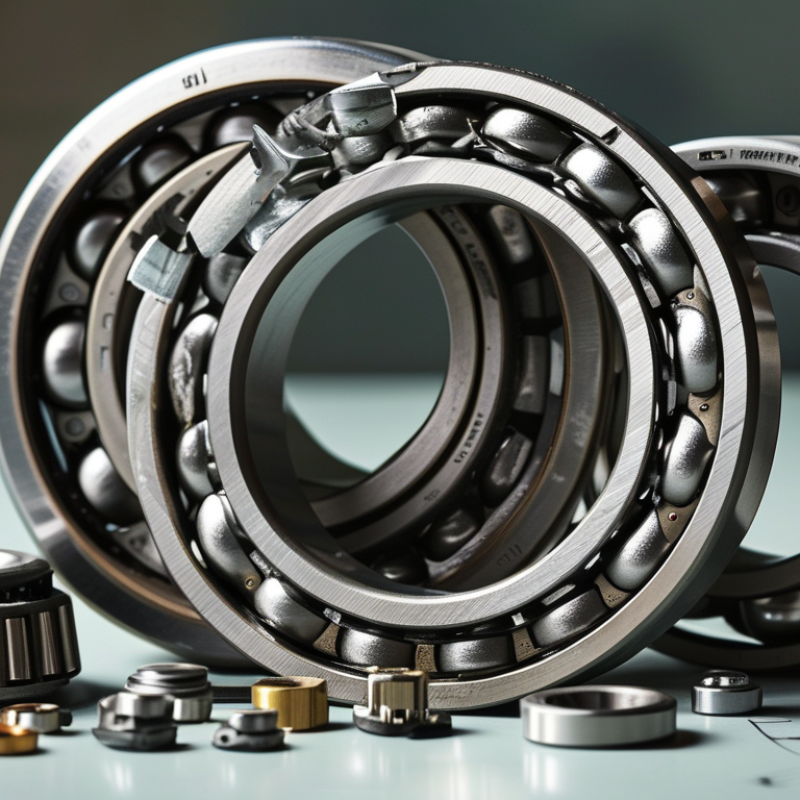
These bearings consist of inner and outer rings, with rolling elements in between. The design allows for high load capacities and angular misalignment. It’s essential to consider the working environment. Dust and moisture can impact performance. Regular maintenance may be necessary, although it can be easy to overlook.
Temperature extremes also affect bearing performance. Some materials may not function optimally in high heat or frigid conditions. Assessing your project’s specific requirements is vital for longevity. You might need to balance cost and quality, which can be challenging. Taking the time to understand your needs will enhance your project's success.
Identifying Key Factors for Selecting the Right Swing Bearing
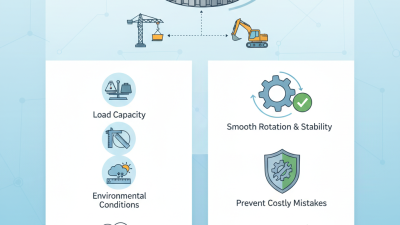
When selecting the right swing bearing, consider several key factors that can impact your project. One crucial aspect is the load capacity. Ensure that the swing bearing can handle the weight and stress of your specific application. Overloading a bearing can lead to failure and costly repairs. Additionally, assess the environment where the swing bearing will be used. Will it be exposed to extreme temperatures or harsh weather conditions? Such factors can significantly affect the bearing's lifespan.
Material choice is another vital point. Different materials offer varying levels of durability and resistance to wear. Stainless steel is popular for its corrosion resistance. However, it can be heavier than alternatives. Analyze the trade-offs between weight, strength, and cost. Remember that while cost matters, quality often determines long-term reliability.
Consider maintenance needs as well. Some swing bearings require regular maintenance, while others are designed for minimal upkeep. If your project lacks access for frequent servicing, go for low-maintenance options. Always factor in the trade-off between initial investment and future maintenance costs. Analyze what fits your project best. Reflecting on these elements will lead to more informed decision-making for your swing bearing selection.
How to Choose the Best Swing Bearing for Your Project? - Identifying Key Factors for Selecting the Right Swing Bearing
| Factor |
Description |
Importance Level |
Common Applications |
| Load Capacity |
Maximum load the bearing can support without failure. |
High |
Construction Machinery, Cranes |
| Size & Dimensions |
Physical dimensions that fit the specific machinery requirements. |
Medium |
Excavators, Swing Gates |
| Material |
Composition of the bearing, affecting durability and corrosion resistance. |
High |
Marine Equipment, Industrial Applications |
| Temperature Range |
Operating temperature limits for optimal performance. |
Medium |
Aerospace, Automotive |
| Maintenance Needs |
Frequency and type of maintenance required to keep the bearing operational. |
Medium |
Heavy Machinery, Agricultural Equipment |
| Sealing Options |
Types of seals available to protect the bearing from contaminants. |
High |
Off-Road Vehicles, Mining |
| Rotation Type |
Direction and type of movement the bearing is designed for. |
Medium |
Rotating Machinery, Gimbals |
Evaluating Load Capacity and Performance Requirements
Selecting the right swing bearing for a project involves thorough analysis of load capacity and performance requirements. A swing bearing's primary function is to support rotating structures and distribute loads. According to industry standards, a swing bearing must handle static and dynamic loads effectively. A report by the Bearing Manufacturers Association indicates that load capacity can vary significantly; for instance, some bearings support loads exceeding 250 kN, while others may only handle around 50 kN.
Understanding the operating environment is crucial. Environmental factors such as temperature, humidity, and exposure to contaminants will affect performance. Some swing bearings may excel under specific conditions but fail in others. For example, a bearing designed for outdoor use may not perform well indoors, especially in high-demand situations. Rigorous testing and analysis are essential to avoid costly failures.
Additionally, achieving a balance between load capacity and the bearing's thermal performance can be challenging. Reports suggest that many engineers overlook the thermal expansion of materials, which can lead to premature wear. Performance metrics such as fatigue life and operational reliability should be prioritized. Remember, even slight miscalculations can lead to significant issues down the line.
Choosing the Appropriate Material and Design Specifications
Choosing the right material and design specifications for swing bearings is crucial for project success. Swing bearings often encounter varying loads and environmental conditions. Selecting the appropriate material can greatly impact durability and performance. According to industry reports, stainless steel and high-performance polymer bearings offer excellent resistance to corrosion. However, they can also be more costly and may not always be necessary, depending on application requirements.
Understanding design specifications is equally important. For instance, bearing sizes must align with the load capacities and the operational environment. A recent study indicates that up to 30% of bearing failures stem from incorrect load distribution. This highlights the need for careful calculations during the design phase. Additionally, the choice between single and double-row bearings can influence both stability and maintenance needs. Each design has its strengths and weaknesses; thus, making an informed decision can prevent operational issues later.
It's vital to consider real-world testing and case studies when selecting swing bearings. Previous projects may have faced unforeseen challenges—like mismatched specifications and unexpected wear. These insights are invaluable for shaping future choices. Each project will have unique needs, and reflecting on past experiences can lead to more reliable selections for swing bearings.
Common Pitfalls to Avoid When Selecting Swing Bearings
When selecting swing bearings for your project, it’s essential to avoid common pitfalls that can lead to performance issues. One frequent mistake is underestimating the load capacity. Always calculate the maximum load that the bearing will encounter. If you choose a bearing that cannot support the weight, it will fail prematurely.
Material selection is another critical area. Not all materials perform well under the same conditions. Consider the environment where the bearing will operate. For example, if you are in a high-corrosion area, opt for materials that resist rusting.
Checking for proper lubrication is vital. Insufficient or improper lubrication can lead to excessive wear. Ensure that the bearing is compatible with the lubrication you plan to use.
Before finalizing your choice, consult with experts or look for resources to dive deeper into the subject. Understanding the nuances of swing bearings can save you time and money in the long run. Remember, each project may have unique requirements, so a one-size-fits-all approach doesn’t work. Keep these details in mind to enhance the longevity and efficiency of your swing bearing selection.
Comparison of Swing Bearings Based on Key Features
This chart displays the comparison of swing bearings based on load capacity, weight, and cost. It helps in understanding the trade-offs when selecting the best option for your project.

 +86-13349293098
 Contact WhatsApp
 Contact Email