Leave Your Message

Best Wheel Lift Cylinder Manufacturer in China?

Choosing the best Wheel Lift Cylinder manufacturer in China requires more than comparing prices. A reliable supplier must understand load cycles, hydraulic pressure, mounting space, road vibration, and outdoor corrosion. These details decide whether a cylinder performs smoothly or leaks beside a busy workshop floor.

Dr. Noah D. Manring, a respected fluid-power researcher, states, “Cylinder performance depends on the entire hydraulic system, not the cylinder alone.” This principle matters when evaluating Chinese manufacturers. A capable factory should discuss bore diameter, rod diameter, stroke length, working pressure, retracted length, and mounting style before offering a quotation. It should also explain seal materials, surface hardness, chrome thickness, welding quality, and pressure-testing procedures.

Ask for real evidence. Look for dimensional inspection records, pressure-test reports, material certificates, and traceable production batches. Factory experience matters too. A supplier producing cylinders for tow trucks, recovery vehicles, and municipal fleets may understand repeated lifting better than a general machine shop. However, product photos prove little. That is an uncomfortable truth.

Request samples.

Check the fit.

Measure the response.

A strong manufacturer will support prototype testing and accept reasonable design revisions. Yet even experienced suppliers can miss details, especially when drawings are incomplete or operating conditions change. Therefore, the best choice is not always the largest factory. It is the manufacturer that communicates clearly, tests honestly, and improves after discovering a weakness. For international buyers, dependable packaging, technical documentation, spare-seal availability, and after-sales communication also deserve careful attention. Reliability begins before shipment.
Best Wheel Lift Cylinder Manufacturer in China?

What Is a Wheel Lift Cylinder and How Does It Work?

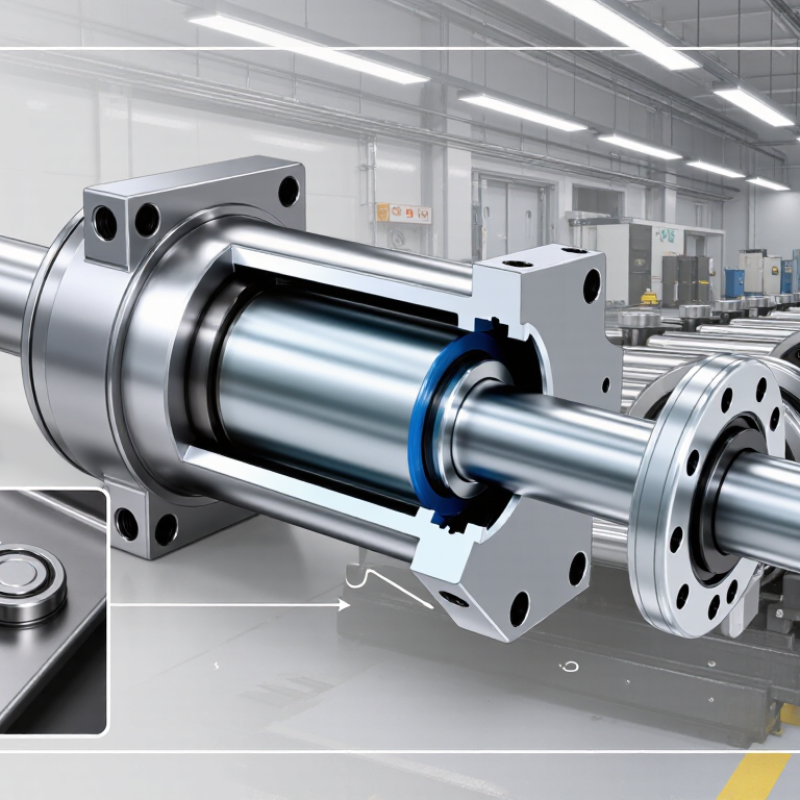
A wheel lift cylinder is a hydraulic actuator used on towing and recovery equipment. It raises, lowers, or stabilizes the wheel lift assembly beneath a vehicle. The cylinder usually contains a steel barrel, piston, rod, seals, and hydraulic ports. Pressurized oil enters one side of the barrel and pushes the piston. The piston then moves the rod and changes the lift position.

The process is simple, but small details matter. When the control valve directs oil into the cylinder, the wheel lift rises smoothly. Reversing the oil flow lowers it under controlled pressure. A correctly sized cylinder must match the equipment’s load, stroke length, mounting space, and operating pressure. Seal quality also matters. Damaged seals may cause slow movement, oil leakage, or unexpected drifting. These problems can appear minor at first. They should not be ignored.

Tips: Check the rod for scratches before installation. Confirm port size and thread type carefully. Keep hydraulic oil clean, because dirt can damage internal seals. Test the cylinder without a vehicle first. Measure movement and inspect every connection. In real workshops, specifications are sometimes copied from an older unit. That approach can fail when the new lift has a different load balance. Careful measurement is safer than assumption. A reliable Chinese manufacturer should provide drawings, material details, pressure data, inspection records, and responsive technical support. Supplier experience matters, but clear documentation matters more.
Key Factors for Evaluating Chinese Wheel Lift Cylinder Manufacturers

Best Wheel Lift Cylinder Manufacturer in China?

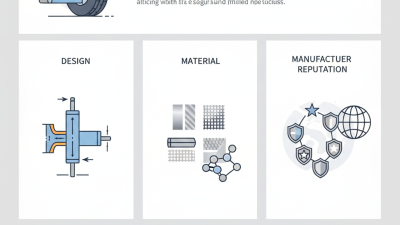
Evaluating a Chinese wheel lift cylinder manufacturer requires more than comparing prices. The 2024 MarketsandMarkets report estimates the global hydraulic cylinder market at about USD 14.7 billion in 2023. It also forecasts growth to approximately USD 20.3 billion by 2028. This growth increases supplier choices, but not necessarily product quality.

Check whether the manufacturer follows ISO 4413 for hydraulic system safety. For automotive lifting equipment, request material certificates, pressure-test records, and seal compatibility data. A reliable supplier should provide bore and rod tolerances, surface-treatment details, and batch traceability. Ask for a documented load test using your actual operating pressure. A factory tour can reveal practical details, such as oil cleanliness, machining discipline, and how workers protect chrome-plated rods. Photos alone are weak evidence.

Tips: Compare three samples before signing a volume contract. Measure leakage after repeated cycles, not only after installation. Request an independent inspection when the application carries heavy vehicles. Also examine response time for warranty claims. ISO 9001 certification supports process control, but it does not prove cylinder performance. I would not rely on certification alone. A supplier may pass audits yet miss small design issues, such as inadequate rod coating or a poorly selected wiper seal. Detailed drawings, test standards, and honest failure discussions often reveal more than polished sales materials.

How to Compare Quality, Certifications, and Production Capabilities

Best Wheel Lift Cylinder Manufacturer in China?

Choosing a reliable wheel lift cylinder manufacturer requires more than comparing prices. Inspect the cylinder body, rod finish, seals, welds, and port threads. These details reveal manufacturing discipline. Ask for material certificates and dimensional inspection records. A smooth chrome rod should show no pitting, scratches, or uneven plating. The cylinder must also perform under repeated pressure, not only pass a single factory test. My early mistake was trusting polished samples too quickly. Production consistency matters more than attractive photographs.

Certifications can support trust, but they are not complete proof. Check whether certificates match the actual factory, product range, and current validity period. Request test methods, calibration records, and traceable batch numbers. A capable manufacturer should explain pressure testing, seal selection, heat treatment, and quality controls clearly. Visit the facility if possible. Observe machining areas, assembly cleanliness, inventory systems, and final inspection. A large workshop is not always a better one.

Tips: Compare at least three suppliers using the same technical specification. Ask for sample approval before mass production. Confirm lead times, replacement parts, packaging, and after-sales responses in writing. Request production photos during key stages. Keep one tested sample for future comparison. Do not ignore small issues. A loose port plug or unclear inspection record may signal deeper process weaknesses. Even experienced buyers can overlook these details.

Best Wheel Lift Cylinder Manufacturer in China? - How to Compare Quality, Certifications, and Production Capabilities

Evaluation Dimension What to Compare Objective Evidence to Request Practical Acceptance Criteria Importance
Cylinder Design Compatibility Bore diameter, rod diameter, stroke length, retracted length, mounting points, port position, and thread type Controlled engineering drawing, dimensional inspection report, and approved sample All critical dimensions and interfaces must match the approved drawing; dimensional tolerances must be stated before production Critical
Rated Hydraulic Performance Rated pressure, proof-test pressure, operating temperature, load capacity, and cycle requirements Technical datasheet, pressure-test procedure, test records, and performance calculations Values must be declared for the exact cylinder configuration; proof testing must follow the approved design and applicable hydraulic-safety requirements Critical
Material Traceability Tube, piston rod, piston, gland, weld material, and seal-material specifications Material certificates, heat or batch numbers, incoming-inspection records, and supplier traceability procedure Material grade and batch identification must be traceable from incoming material through final shipment High
Piston Rod Surface Quality Rod straightness, surface finish, hardness, chrome or coating thickness, and corrosion resistance Surface-finish measurements, coating-thickness reports, hardness records, and corrosion-test reports where specified Measurements must comply with the approved drawing and coating specification; no scratches, peeling, pitting, or exposed base metal on functional surfaces Critical
Sealing System Seal material, pressure rating, temperature range, fluid compatibility, wiper design, and seal availability Seal datasheets, compatibility statement for the specified hydraulic fluid, supplier certificates, and leakage-test results Seal selection must be matched to the hydraulic fluid, pressure, temperature, speed, and duty cycle; external leakage is not acceptable during final testing Critical
Welding and Heat Treatment Welding process control, weld penetration, distortion, stress relief, and operator qualification Welding procedure specifications, welder qualification records, weld inspection reports, and heat-treatment records where applicable Welds must meet the approved design standard and inspection plan, with no visible cracks, unacceptable porosity, undercut, or distortion High
Quality Management Certification Whether the production site operates a documented quality-management system Valid ISO 9001 certificate showing the correct legal entity, site address, certification scope, and expiry date Certificate must be verifiable through the issuing certification body and cover manufacturing activities relevant to hydraulic cylinders High
Automotive-Sector Capability Process controls for customers requiring automotive supply-chain quality systems Valid IATF 16949 certificate, process-audit results, control plan, PFMEA, and production-part approval records when required IATF 16949 should be treated as an added qualification for automotive programs, not as a substitute for product-specific testing Program-Based
Environmental Management Control of oils, chemicals, waste, energy use, and environmental compliance Valid ISO 14001 certificate, environmental permits, waste-disposal records, and chemical-management procedures Environmental controls should be documented and applicable to the actual manufacturing site used for the order Medium
Production Equipment CNC machining, honing, grinding, welding, assembly, cleaning, coating, and pressure-testing equipment Equipment list, process flow, maintenance records, calibration certificates, and factory-audit evidence Critical processes should be performed under controlled conditions with calibrated inspection equipment and documented maintenance High
Inspection and Testing Dimensional inspection, visual inspection, cleanliness, pressure holding, leakage, and functional testing Inspection plan, calibrated gauge records, test data, nonconformance reports, and final inspection certificate Test methods, acceptance limits, sampling level, and responsible inspection personnel must be defined before mass production Critical
Capacity and Lead-Time Control Monthly output, production bottlenecks, raw-material availability, and ability to support repeat orders Capacity plan, production schedule, order history with confidential details removed, and documented delivery-performance data Capacity claims should be supported by equipment, staffing, process time, and realistic inspection requirements rather than a single output figure High
Customization and Engineering Support Ability to adapt mounting, ports, coatings, seals, sensors, and packaging to the application Engineering-change procedure, drawing-revision control, design-review records, and prototype-validation report Every design change must be reviewed, documented, approved, and validated before production release High
After-Sales and Warranty Support Warranty terms, failure analysis, spare-seal availability, response time, and corrective-action process Written warranty policy, complaint-handling procedure, 8D or corrective-action template, and spare-parts list Support responsibilities, response times, warranty exclusions, and replacement procedures must be stated in the purchase agreement Medium
Pre-Shipment Documentation Consistency of documents supplied with each production batch Packing list, certificate of conformity, inspection report, pressure-test record, material traceability record, and approved drawing revision Documents must identify the purchase order, part number, batch or serial number, inspection status, and drawing revision High
Comparison principle: Select the supplier that can provide verifiable, product-specific evidence for design compliance, material traceability, pressure testing, process control, and production capacity. Certifications should be checked for validity, scope, issuing body, and the actual manufacturing site.

Which Customization and Technical Support Services Matter Most?

Best Wheel Lift Cylinder Manufacturer in China?

Choosing a wheel lift cylinder manufacturer requires more than comparing price lists. Customization should begin with the lift’s actual working conditions. Engineers need the required bore, stroke, mounting points, rod diameter, operating pressure, and retracted length. Seal materials must also match temperature, moisture, road salt, and hydraulic fluid.

Useful suppliers provide technical drawings before production. They should check load calculations, side forces, clearance, and connection strength. A small dimensional error can cause uneven lifting or premature seal wear.

Prototype support matters too. A test cylinder can reveal interference that a drawing misses. It is not glamorous work, but it prevents expensive rework.

Technical support should continue after delivery. Look for clear installation instructions, torque requirements, hydraulic cleanliness guidance, and replacement seal information. A responsive engineering team can help diagnose slow movement, leakage, or abnormal noise through photos and pressure data. Ask how they conduct pressure, cycle, and leakage tests. Documentation should identify materials and inspection results. Some projects need special coatings or corrosion-resistant rods. Others need a compact cylinder with an unusual clevis. A manufacturer may say every request is possible, but practical limits still matter. Honest feedback is more valuable than confident promises. Teams that communicate quickly, revise drawings carefully, and admit design weaknesses usually provide more dependable long-term support.

How to Select the Best Manufacturer for Your Application

Best Wheel Lift Cylinder Manufacturer in China?
How to Select the Best Manufacturer for Your Application

Selecting a wheel lift cylinder manufacturer starts with your working conditions. Define load, stroke, mounting space, operating pressure, and cycle frequency. A cylinder for urban recovery vehicles may face dust, water, vibration, and sudden impacts. Ask whether the manufacturer has tested similar applications, not only standard catalog products. Practical experience often reveals problems that drawings miss.

Review material choices and production controls carefully. Steel quality, rod surface treatment, seal compatibility, and welding consistency affect service life. Request inspection records for pressure testing, dimensional checks, and leakage performance. A reliable supplier should explain its traceability system clearly. It should also provide technical drawings and tolerances before production begins.

Communication matters during selection. Engineers should discuss installation angles, hose routing, maintenance access, and emergency replacement needs. Ask for sample testing under realistic loads. Laboratory data alone may not reflect field vibration. This is where judgment matters. Some buyers focus too heavily on price and overlook seal wear or slow response. I have seen specifications appear complete, yet omit temperature changes and uneven loading. That gap can cause expensive redesigns. A capable manufacturer will question incomplete requirements, admit limits, and suggest practical revisions. Check response times, warranty terms, spare-part availability, and after-sales support before signing. Availability matters.

Best Wheel Lift Cylinder Manufacturer in China? How to Select the Best Manufacturer for Your Application

This sizing example assumes a 1.25:1 mechanical advantage and a 1.5 safety factor. As the wheel load increases, the required cylinder force rises proportionally. When comparing manufacturers, verify that the selected cylinder meets the calculated force, operating pressure, stroke, mounting geometry, sealing requirements, corrosion protection, and documented quality controls.