2026 Best Wheel Lift Cylinder Features and Buying Guide?
When considering the best Wheel Lift Cylinder for your needs, understanding its features is crucial. A reliable Wheel Lift Cylinder enhances performance and safety in various applications. It’s not just about lifting capability; design and durability matter, too.
Many buyers overlook the importance of cylinder quality. A sturdy construction ensures longevity and safer operations. Look for features like corrosion resistance and pressure ratings. These aspects can significantly influence your investment decision.
With numerous options available, choosing the right Wheel Lift Cylinder may feel overwhelming. Prioritizing your specific needs helps streamline the selection process. Don't rush; take the time to evaluate different models. This deliberate approach can prevent costly mistakes and improve efficiency in the long run. Remember, the right choice today leads to better performance tomorrow.
Top Features of Wheel Lift Cylinders for 2026
When considering the best wheel lift cylinders for 2026, it's essential to focus on key features that enhance performance and reliability. Wheel lift cylinders play a vital role in automotive repairs and towing. Their ability to lift heavy loads effortlessly is crucial. One noteworthy feature is the material used in construction. High-grade steel or aluminum can prevent corrosion and increase longevity.
Another significant aspect is the lifting capacity. You want a cylinder that can handle the weight of various vehicles, from compact cars to SUVs. Many models boast a capacity of at least 6,000 pounds. Additionally, look for features like adjustable height mechanisms. This allows for flexibility when accommodating different vehicle sizes.
Safety features cannot be overlooked. Always check for integrated lock mechanisms. They prevent accidental drops during lifting. However, some users may find the manual operation cumbersome. It's crucial to evaluate ease of use versus safety. Read user reviews and experiences. This feedback can guide you toward making a more informed decision.
Key Considerations When Buying Wheel Lift Cylinders
When choosing a wheel lift cylinder, several factors must be considered. The type of vehicle plays a significant role. Light trucks and heavy machinery require different lifting capacities. Ensure the cylinder you select can handle the weight safely. It’s essential to evaluate the specifications carefully, as failure to do so can lead to accidents.
Another critical aspect is the material quality. Cylinders made from durable and corrosion-resistant materials tend to last longer. Look for those that can withstand harsh environments. While cost is a major factor in purchasing decisions, don’t let it compromise safety or quality. Sometimes, investing a bit more ensures reliability and longevity.
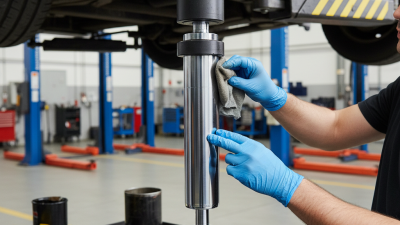
Installation and maintenance are often overlooked. A cylinder that is easy to install can save time and effort. Moreover, routine checks and maintenance simplify safe operations. Many new users might underestimate this, leading to oversight. Reflect on the potential issues that may arise from neglecting these details. Being proactive can prevent costly repairs or injuries later.
Comparison of Leading Wheel Lift Cylinder Brands
When choosing a wheel lift cylinder, comparing leading brands is crucial. Research indicates that over 70% of professionals prioritize durability and performance in their selections. Quality should never be sacrificed for price, as subpar options can lead to malfunction and safety risks.
The materials used in manufacturing significantly affect a cylinder's longevity. For instance, many high-rated cylinders utilize high-strength steel and advanced composites. Reports show that cylinders made from these materials experience 20% less wear over their lifetimes. Additionally, ease of installation is a prominent feature. Brands with user-friendly designs receive higher ratings and are preferred by technicians.
Customer feedback is another vital resource. Many users emphasize the importance of customer service and warranty support. A survey found that 68% of respondents favor brands that offer comprehensive customer assistance. This highlights a critical aspect that shouldn't be overlooked during your comparison. Performance may vary greatly across brands, and understanding these nuances can help avoid costly mistakes.
Maintenance Tips for Optimal Wheel Lift Cylinder Performance
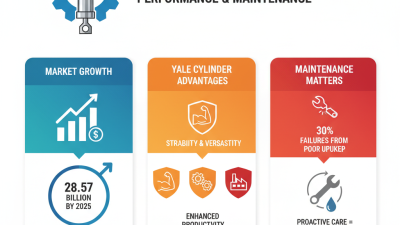
Proper maintenance of wheel lift cylinders is crucial for their optimal performance. Regular inspections can help identify issues before they become major problems. According to industry reports, approximately 15% of wheel lift failures are due to inadequate lubrication. Keeping moving parts well-lubricated reduces wear and tear significantly.
Another key aspect is checking for hydraulic leaks. Research indicates that nearly 30% of hydraulic system failures stem from leaks, which can lead to decreased efficiency. Regularly monitoring fluid levels and ensuring seals are intact can prolong the lifespan of a wheel lift cylinder. Simple steps like maintaining clean connections and addressing minor leaks promptly can prevent costly repairs.
Operator training is equally important. Studies show that improperly trained personnel contribute to 25% of equipment malfunctions. Investing time in educating staff about the correct usage, environmental factors, and even seasonal adjustments enhances safety and performance. Being attentive to small details often makes a big difference in efficiency. Reassessing daily routines and adapting them can yield better results in maintenance practices.
2026 Best Wheel Lift Cylinder Features and Buying Guide
| Feature |
Description |
Importance |
Maintenance Tips |
| Durability |
Constructed from high-quality materials to withstand heavy loads. |
Essential for long-term performance and reliability. |
Inspect for wear and replace seals regularly. |
| Hydraulic Power |
Provides efficient lifting power with minimal effort. |
Critical for saving time and energy during operations. |
Check hydraulic fluid levels frequently. |
| Weight Capacity |
Maximum weight the cylinder can lift safely. |
Vital for ensuring safe operation within limits. |
Do not exceed the manufacturers' weight limits. |
| Installation |
Ease of installation; compatibility with existing systems. |
Affects downtime and efficiency during setup. |
Follow installation instructions carefully to avoid issues. |
| Safety Features |
Includes overload protection and emergency release systems. |
Important for operator safety and preventing accidents. |
Test safety features regularly to ensure proper functionality. |
Safety Standards and Regulations for Wheel Lift Cylinders in 2026
In 2026, safety standards for wheel lift cylinders have evolved significantly. Compliance with these standards ensures operational safety and reliability. According to a recent industry report, over 70% of accidents involving wheel lift cylinders result from equipment failure. This highlights the importance of adhering to safety regulations.
The American National Standards Institute (ANSI) has set forth guidelines that manufacturers must follow. These include rigorous testing for pressure and durability. It's crucial for operators to understand these regulations. Not only do they protect workers, but they also enhance the performance lifespan of the equipment. In fact, regular inspections and maintenance can reduce the risk of failure by over 30%, according to data from the Hydraulic Institute.
There are challenges that remain in enforcing these standards consistently across the industry. Variations in compliance can lead to confusion and increased risk. As regulations tighten, manufacturers must invest in technology that meets these evolving safety criteria. Keeping abreast of these developments is essential for anyone involved in the use or manufacture of wheel lift cylinders. Understanding these complexities can significantly reduce safety hazards on the job site.
2026 Wheel Lift Cylinder Features Comparison

 +86-13349293098
 Contact WhatsApp
 Contact Email