+86-13349293098


Hydraulic Oil Cylinder performance can shape an excavator’s digging force, a dump truck’s lifting cycle, or a factory press’s repeatability. Buyers comparing China’s leading manufacturers should look beyond catalog pressure ratings. Bore diameter, stroke length, seal materials, rod finish, and leakage testing all matter. So does the factory’s ability to maintain consistent tolerances across production batches.
Industry data gives useful context. The China Construction Machinery Association reported 195,018 excavator sales in 2023, including domestic and export sales. Each machine depends on hydraulic cylinders to move its boom, arm, and bucket under heavy loads. Grand View Research’s Hydraulic Cylinder Market report also identifies construction and industrial equipment as important demand sectors. Market forecasts are estimates, however, and different research firms may use different assumptions. Still, rankings are imperfect.
As fluid-power author Anthony Esposito writes, “Fluid power is the technology that deals with the generation, control, and transmission of power, using pressurized fluids.” His textbook, Fluid Power with Applications, offers a useful technical foundation for evaluating cylinder systems. In practice, a well-built cylinder must do more than withstand pressure. It must extend smoothly, hold a load, and resist contamination around the seals. This guide introduces notable Chinese manufacturers and the factors buyers can verify, including machining capability, pressure-test records, material traceability, and after-sales support. Ask for evidence. A polished brochure cannot reveal every weakness. That is easy to overlook.
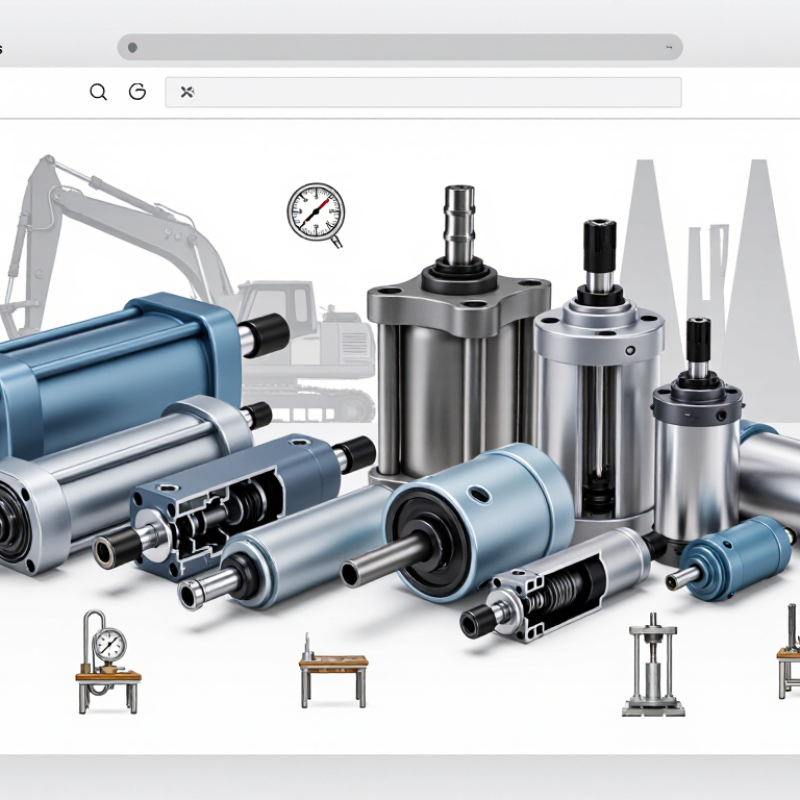
Hydraulic cylinders turn oil pressure into straight-line motion. A pump sends fluid through a control valve into one side of a sealed cylinder. Pressure pushes the piston, and the attached rod moves a load. The basic relationship is force equals pressure multiplied by piston area. On the rod side, the usable area is smaller. Flow rate mainly determines speed. Simple, but not friction-free.
Seals keep oil from bypassing the piston, while honed barrel surfaces help limit wear. In practice, oil temperature, contamination, side loading, and seal condition can change performance. A neat calculation can still mislead. Engineers should check real load cycles, mounting alignment, and pressure peaks rather than rely on rated force alone. Grand View Research’s 2024 Hydraulic Cylinder Market report estimated the global market at USD 14.78 billion in 2023, with projected annual growth of 4.3% through 2030. That demand makes sound design important, but market growth does not guarantee product quality. For manufacturers in China and elsewhere, clear test data and consistent inspection matter. Small leaks are easy to overlook. They rarely stay small.
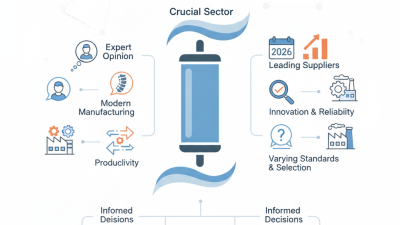
Theoretical extension force is calculated from hydraulic pressure × piston area (F = P × πD²/4). Values use a constant pressure of 160 bar and exclude friction, pressure losses, and other real-world effects. Retraction force is lower because the piston rod reduces the effective area.
Top Hydraulic Oil Cylinder Manufacturers in China
Applications of Hydraulic Oil Cylinders Across Industries
Hydraulic oil cylinders convert fluid pressure into controlled linear force. On construction sites, they raise excavator booms, tilt loader buckets, and extend stabilizers on uneven ground. Agricultural machinery uses them to lift implements and adjust mower decks. In warehouses, cylinders help position loading platforms and operate compactors. The work looks simple. The loads are not.
Industrial presses and steelmaking equipment rely on cylinders for repeatable movement under heavy loads. In marine and transport equipment, they can operate hatches, steering systems, or lifting mechanisms. Each application brings different demands: stroke length, mounting space, operating pressure, temperature, and exposure to dust or moisture. A cylinder is not a complete solution by itself. Correct seals, hydraulic fluid, hoses, and maintenance matter too. Sizing still involves trade-offs, and real operating conditions can expose assumptions that looked sound on paper.
Tips: Match the cylinder’s force and stroke to the machine’s actual load and movement. Check mounting points and side loads before installation; uneven forces can accelerate wear. Keep the rod clean, inspect seals for leaks, and follow the equipment maker’s maintenance guidance. When performance changes, investigate the system rather than replacing parts by guesswork.
| Top Hydraulic Oil Cylinder Manufacturers in China – Applications of Hydraulic Oil Cylinders Across Industries | ||||
|---|---|---|---|---|
| Common industrial applications and cylinder-selection considerations. Specifications vary by machine design, load, duty cycle, and operating environment. | ||||
| Industry | Typical Equipment | Hydraulic Cylinder Application | Common Cylinder Configuration | Key Selection Considerations |
| Construction | Excavators, loaders, bulldozers, cranes | Raises and lowers booms, moves buckets, adjusts blades, and positions stabilizers. | Double-acting cylinders; telescopic cylinders may be used where a long stroke is needed in a compact space. | Shock loads, side loading, stroke length, pin and bearing design, and protection from dirt and impact. |
| Agriculture | Tractors, harvesters, planters, balers, agricultural trailers | Positions implements, adjusts headers, operates folding mechanisms, and tips trailers. | Double-acting cylinders for controlled movement; single-acting cylinders for some gravity-return functions. | Exposure to dust, mud, moisture, and crop residue; compatibility with the machine’s hydraulic system. |
| Material handling and logistics | Forklifts, scissor lifts, loading platforms, warehouse equipment | Lifts masts and platforms, tilts loads, and extends or retracts handling mechanisms. | Double-acting cylinders; lift-cylinder designs depend on the equipment’s lifting arrangement. | Load stability, smooth motion, stroke control, duty cycle, and safe integration with load-holding systems. |
| Mining and quarrying | Mining vehicles, crushers, drilling equipment, haulage machinery | Moves booms and attachments, positions machine components, and operates service or access equipment. | Heavy-duty double-acting cylinders, often designed for demanding mobile equipment. | Abrasive contamination, vibration, impact, seal protection, service access, and robust mounting points. |
| Metallurgy and manufacturing | Presses, forming machines, production lines, steel-processing equipment | Applies linear force for pressing, clamping, positioning, and machine-tool movement. | Double-acting cylinders; application-specific designs may be used for presses and clamping systems. | Required force and speed, alignment, repeatability, operating temperature, and integration with machine controls. |
| Marine and port operations | Shipboard machinery, hatch covers, steering equipment, port handling systems | Operates steering or deck mechanisms and moves equipment used in cargo handling. | Double-acting cylinders, with materials and protective finishes selected for the service environment. | Saltwater exposure, corrosion protection, sealing, maintenance access, and applicable equipment requirements. |
| Waste management and municipal services | Refuse trucks, compactors, sweepers, road-maintenance vehicles | Lifts containers, moves compaction plates, and operates vehicle-mounted service equipment. | Double-acting cylinders; telescopic cylinders are used in some compact-space or long-stroke applications. | Frequent cycling, contamination, impact, corrosion, and ease of inspection and replacement. |
| Transport and vehicle bodies | Dump trucks, tipper trailers, vehicle-mounted platforms | Raises tipping bodies and operates lifting or positioning mechanisms. | Telescopic cylinders are commonly used when a long extension is required from a compact retracted length. | Payload and body geometry, stroke, mounting arrangement, stability, and the vehicle’s hydraulic supply. |
| Note: This table describes general application patterns, not a ranking or evaluation of individual manufacturers. Cylinder type and specifications should be confirmed against the equipment design and operating conditions. | ||||
China’s hydraulic cylinder industry serves construction machinery, agricultural equipment, mining systems, ports, and factory automation. Production ranges from standard cylinders to custom units designed for specific loads, strokes, and mounting conditions. Many manufacturers combine tube honing, piston-rod grinding, welding, and assembly within one facility. This can help control dimensions and reduce handoffs. But capacity alone tells little.
Cylinder performance depends on details users may not see in a catalog. A polished rod needs suitable surface hardness and finish to limit seal wear. Bore accuracy affects leakage, friction, and service life. Reliable production typically includes pressure testing, weld inspection, and material-batch records. Ask how tests are performed, and request clear drawings before approving a custom design. Small differences matter.
The industry is not perfectly even. Some suppliers focus on high-volume standard models, while others handle small batches and unusual dimensions. Lead times can shift when steel availability, machining queues, or seal supplies change. Discuss these factors early. Buyers should compare technical records, sample quality, communication, and after-sales support, not price alone. A factory visit may reveal practical details: clean assembly benches, labeled parts, and test equipment with current calibration records. These signs do not guarantee long service, but they make supplier conversations more concrete.
China’s leading hydraulic oil cylinder manufacturers serve agricultural, construction, mining, and industrial equipment makers. Their capabilities can include custom bore sizes, stroke lengths, mounting styles, and operating pressures. A reliable supplier should explain how these specifications match the equipment’s actual load and duty cycle. Details matter. Ask about tube materials, piston-rod surface treatment, seal selection, and machining tolerances. These choices affect wear, leakage, and service life, especially when cylinders work in dusty yards or face repeated side loads.
Manufacturing quality is best assessed through clear process controls, not catalog claims alone. Buyers can request dimensional inspection records, pressure-test procedures, and examples of how design changes are reviewed. A sample cylinder may reveal finish quality, but it cannot prove long-term durability by itself. That distinction is easy to overlook. Compare communication, drawing accuracy, delivery consistency, and after-sales support alongside price. Even experienced purchasers sometimes specify pressure but miss operating temperature or installation constraints. A careful technical review helps identify those gaps before production begins.
When comparing Chinese hydraulic oil cylinder manufacturers, start with the duty cycle, not the brochure. Share operating pressure, stroke, mounting geometry, side loads, fluid type, and expected cycles per day. A cylinder for a slow agricultural implement may fail quickly in a high-cycle press. Measure the bore. Ask whether the supplier checks rod buckling and cushioning against your actual load.
Then examine process evidence. Request material certificates, weld inspection records, dimensional reports, and pressure-test results linked to a sample serial number. Confirm how barrel honing, rod hardening, and seal-groove tolerances are controlled. Ask to see a recent inspection report, not a generic template. If possible, compare a sample with your drawing using a micrometer and surface-finish gauge. A factory audit helps, but one visit cannot prove consistent production.
Compare engineering response, lead time, warranty scope, spare-part availability, and change-control procedures in writing. Ask who approves drawing revisions and how nonconforming parts are isolated. Check packing, corrosion protection, and delivery inspection requirements; these details matter after a cylinder travels overseas. Price still matters. But a low quote may exclude testing, documentation, or higher-grade seals. Smaller suppliers may have sound workmanship but limited formal records, so weigh available evidence alongside a controlled trial under realistic load.