2026 How to Choose the Best Wood Splitter Cylinder?
Choosing the right wood splitter cylinder is crucial for efficiency. Steve Johnson, a seasoned engineer in the wood processing industry, states, “The cylinder determines the power and speed of your wood splitter.” His words resonate deeply in a sector where precision matters.
A wood splitter cylinder is not just a component; it’s the heart of your splitter. When selecting one, consider the diameter, stroke length, and material. These factors affect performance. An incorrectly sized cylinder can lead to inefficiency or equipment failure. Many users overlook this and face costly mistakes.
The variety of options can be overwhelming. Buyers often question the best choice for their specific needs. It’s essential to weigh all factors. Research is not always straightforward. Understanding specifications can be challenging. This complexity makes expert guidance invaluable. In the end, investing time in selecting a suitable wood splitter cylinder pays off. Quality impacts your wood splitting experience significantly.
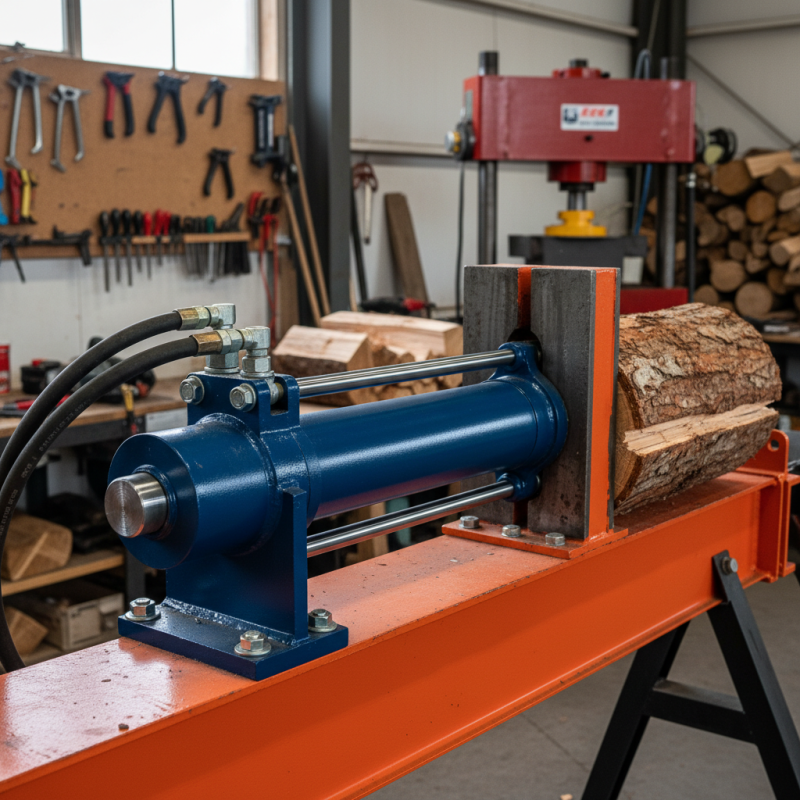
Understanding Different Types of Wood Splitter Cylinders
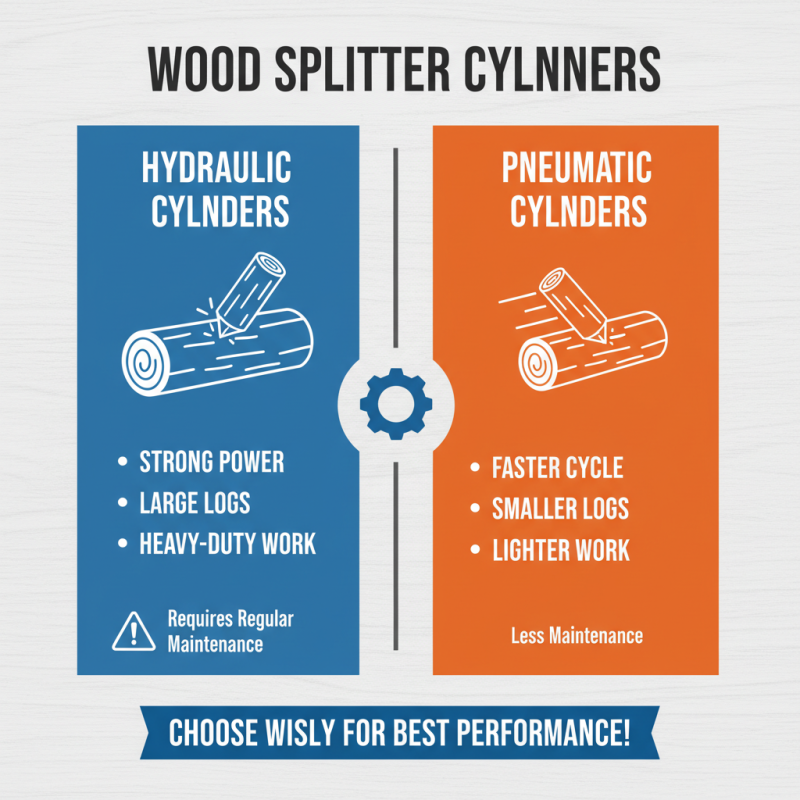
Choosing the right wood splitter cylinder is essential. Different types offer various benefits. A hydraulic cylinder, for instance, provides strong power. It can handle larger logs with ease. These cylinders are ideal for heavy-duty work. However, they require regular maintenance. Failing to do so can lead to costly repairs.
Pneumatic cylinders are another option. They are lighter and easier to maneuver. While they may lack the power of hydraulic models, they are efficient in smaller tasks. Consider how often you will use the splitter. If it’s for occasional use, a pneumatic cylinder might suffice. Understanding your needs helps avoid overspending on features you won’t use.
Not all cylinders are created equal. Look for build quality and material specifications before purchasing. Some may have a reputation for longevity, but that doesn’t guarantee durability. Always check user reviews and expert opinions. It’s better to invest in a reliable cylinder than to replace a cheap one frequently. Familiarizing yourself with these crucial aspects enhances your purchasing confidence.
Key Factors to Consider When Choosing a Wood Splitter Cylinder
When choosing a wood splitter cylinder, consider several key factors. The size of the cylinder is crucial. A larger cylinder can handle more significant logs, but it may require more power. Balance power with efficiency when selecting your equipment.
Another vital factor is the material quality. Opt for durable materials that can withstand rigorous use. Look for cylinders made of high-strength steel or other robust materials. This impacts the longevity and reliability of the splitter.
Here are some tips for making the best choice:
- Measure the logs you will split. This helps determine the cylinder size you'll need.
- Consider the splitting force. A higher force translates to better performance in tough conditions.
- Pay attention to the hydraulic system's design. Efficient systems reduce downtime and enhance productivity.
Evaluating Cylinder Sizes for Optimal Splitting Performance
Choosing the right wood splitter cylinder is crucial for achieving optimal splitting performance. Evaluating cylinder sizes is a fundamental step in ensuring efficiency. A study from the Association of Equipment Manufacturers (AEM) states that the cylinder diameter directly impacts the splitting force. For instance, a larger diameter generally indicates a higher force. However, it can also mean slower cycle times. Balancing size with performance is essential.
The standard cylinder sizes range from 4 inches to 6 inches in diameter. A cylinder with a 4-inch diameter can exert around 8 tons of splitting force, suitable for smaller logs. In contrast, a 6-inch cylinder can generate over 16 tons. This additional force is beneficial for dense hardwoods. Yet, this power can lead to more stress on components, highlighting the need for sturdy construction.
Tip: When evaluating splitting needs, consider log size and wood type. A power tool that is too strong can waste energy on small logs, while a weaker tool may struggle with tougher hardwoods. It’s wise to assess your typical log sizes before deciding. Balancing strength and versatility can optimize your wood splitting tasks efficiently.
2026 Wood Splitter Cylinder Size Performance
Material Quality and Durability in Wood Splitter Cylinders
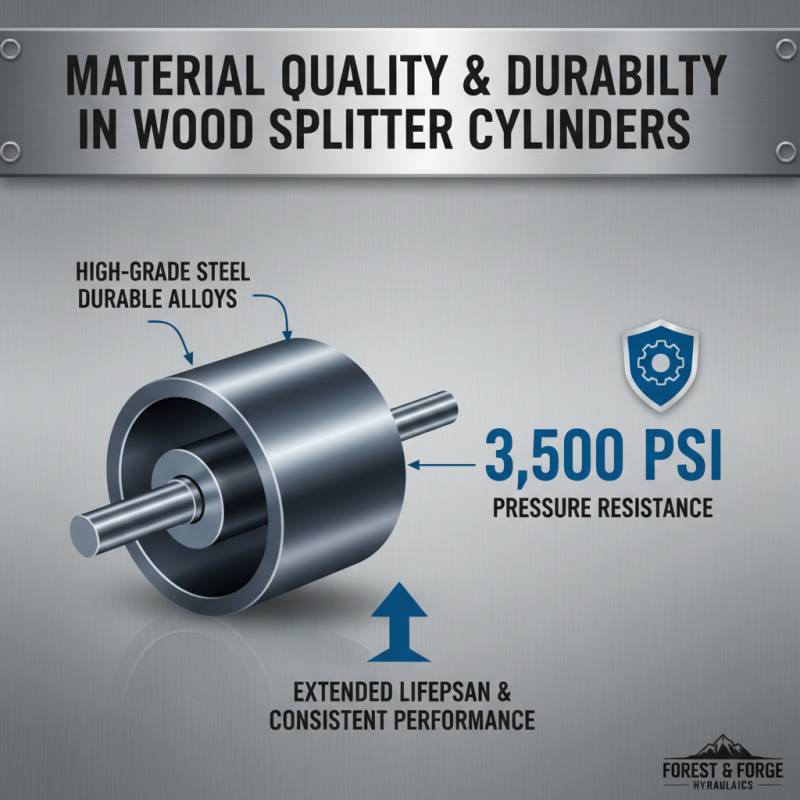
When selecting a wood splitter cylinder, understanding material quality is crucial. The most reliable cylinders are often made of high-grade steel or durable alloys. According to industry reports, cylinders composed of these materials can withstand pressures of up to 3,500 PSI. This level of durability ensures that the cylinder will not easily degrade, providing a consistent performance over time.
Low-quality materials, however, can lead to premature wear and risk of failure. Some manufacturers may use cheaper metals to cut costs. This might seem appealing initially but could result in higher long-term expenses due to frequent replacements. The average lifespan for a high-quality cylinder can exceed eight years, while those made from inferior materials may only last around three years, increasing operational inefficiency.
Welding quality also plays a significant role in durability. Poorly welded joints can become weak points. Stress tests indicate that cylinders with subpar welds can lose up to 30% of their strength. A properly constructed wood splitter cylinder should be seamless and robust. This construction enhances overall performance and ensures safety during operation, making it vital to choose one that meets rigorous industry standards.
Comparing Price and Value for Wood Splitter Cylinders
When evaluating wood splitter cylinders, price and value are critical components. A recent industry report indicates that quality wood splitter cylinders can range from $200 to $600, depending on factors like size and material. However, the cheapest option is not always the best choice. A study showed that a mid-range cylinder, priced around $350, often provides better durability and efficiency than budget models.
Professional users frequently recommend prioritizing performance specs over initial costs. For instance, cylinders with a higher PSI rating tend to deliver faster splitting times and longevity. Consumers should consider the long-term savings associated with a higher upfront investment. In some cases, spending just $100 more can mean better output and less frequent replacements.
Moreover, understanding the product's manufacturing standards can reveal much about its reliability. Many users overlook warranty options provided by manufacturers. A cylinder that comes with a comprehensive warranty may offer peace of mind, ensuring you won’t be back in the market too soon. Some reviews highlight that users wished they had prioritized these factors before purchasing, emphasizing the importance of careful evaluation when deciding on wood splitter cylinders.
2026 How to Choose the Best Wood Splitter Cylinder? - Comparing Price and Value for Wood Splitter Cylinders
| Cylinder Type |
Diameter (inches) |
Stroke Length (inches) |
Force (tons) |
Price ($) |
| Standard Cylinder |
4 |
24 |
8 |
150 |
| Heavy-Duty Cylinder |
5 |
30 |
12 |
250 |
| Compact Cylinder |
3 |
20 |
6 |
100 |
| Industrial Cylinder |
6 |
36 |
15 |
300 |

 +86-13349293098
 Contact WhatsApp
 Contact Email