How to Choose the Right Agricultural Cylinders for Your Farm Needs?
Choosing the right agricultural cylinders is critical for optimizing farm operations. Recent industry reports indicate that agricultural machinery efficiency impacts overall productivity significantly. In fact, an analysis from the American Society of Agricultural and Biological Engineers suggests that improper equipment can lead to a 20% decrease in output. Understanding your specific farm needs is essential.
Agricultural cylinders play a vital role in various machinery, from tractors to harvesters. High-quality cylinders increase the reliability of your equipment, ensuring smoother operations even under tough conditions. For instance, using cylinders made from robust materials can enhance durability and reduce maintenance costs. Farmers often overlook this aspect, leading to potential setbacks.
When selecting agricultural cylinders, consider factors like load capacity, compatibility with existing machinery, and environmental conditions. Not all cylinders are created equal; certain types may perform better in specific situations. Making informed choices helps avert future challenges. The right agricultural cylinders can drive your farm's success and sustainability.
Understanding Agricultural Cylinders and Their Applications
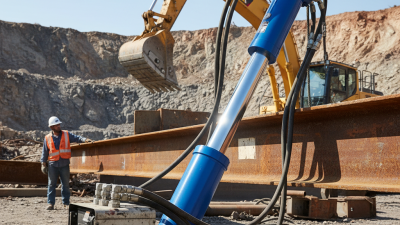
Agricultural cylinders play a crucial role in modern farming. They are used in various applications, including hydraulic systems for equipment. Understanding their functions helps farmers make informed decisions. These cylinders convert hydraulic energy into mechanical motion, vital for tasks like lifting, pushing, or pulling.
When selecting agricultural cylinders, consider the working pressure and stroke length. Each application may have specific requirements. Ensure the materials are durable yet lightweight. This balance affects performance and longevity.
Tips: Always assess the environment where the cylinder will operate. Corrosive materials or extreme temperatures can impact performance. Additionally, regular inspections can prevent unexpected failures. Consider compatibility with existing equipment. Over time, mismatched components can lead to inefficiencies. Reflect on your farm's unique needs and choose accordingly.
How to Choose the Right Agricultural Cylinders for Your Farm Needs?
| Type of Cylinder |
Application |
Capacity (Ton) |
Operating Pressure (PSI) |
Material |
| Single Acting Cylinder |
Lifting Heavy Loads |
5 |
2000 |
Steel |
| Double Acting Cylinder |
Plowing and Tilling |
10 |
2500 |
Aluminum |
| Telescopic Cylinder |
Dumping Applications |
15 |
3000 |
Composite |
| Rotary Cylinder |
Seed Planting |
8 |
1800 |
Stainless Steel |
| Miniature Cylinder |
Small Space Applications |
2 |
1500 |
Plastic |
Assessing Your Farm's Specific Needs for Cylinder Selection
Selecting the right agricultural cylinders for your farm is crucial. Begin by evaluating your farm's specific needs. Consider factors like the type of crops you grow and the machinery you use. According to industry reports, nearly 40% of farm machinery failures come from mismatched components. This highlights the importance of accurate assessments.
Analyze the operating conditions as well. For example, do you work in wet, muddy fields, or dry, rocky terrain? Each environment affects the performance and durability of hydraulic cylinders. A study published by the Agricultural Engineering Society indicates that improper cylinder selection can lead to productivity losses of up to 30%.
Moreover, consider the load requirements. Your cylinders must be able to handle the weight and pressure involved in your operations. Poorly matched cylinders not only result in work inefficiencies but may also pose safety risks. Reflect on past experiences; did you face breakdowns or delays? These reflections can guide you in making informed choices for future purchases.
Evaluating Different Types of Agricultural Cylinders Available
When selecting agricultural cylinders, it's essential to understand the types available. Agricultural cylinders can vary significantly in design, capacity, and application. For instance, hydraulic cylinders often offer high power-to-weight ratios. According to the International Society of Agricultural Engineers, these cylinders are crucial for tasks like planting and soil tillage.
Pneumatic cylinders, on the other hand, utilize compressed air and are lighter. They are ideal for lighter applications such as seeders. Many farmers underestimate the importance of matching cylinder types to specific tasks on the farm. Reports indicate that using the wrong type of cylinder can lead to inefficiencies, waste, and possible injury.
Evaluating cylinder specifications is equally important. Factors like stroke length, bore size, and pressure rating should align with farm needs. Research from agricultural equipment conferences emphasizes that inadequate specifications can result in increased downtime and maintenance costs. Reflecting on these details will enhance operational efficiency and reduce long-term costs.
Key Features and Specifications to Consider When Choosing
When selecting agricultural cylinders, important features must be considered. Focus on the size and capacity of the cylinder. It should match your farm’s needs. Assess the working pressure. High-pressure cylinders offer more power, but also demand more care. Identify the material too. Steel is strong, but aluminum is lighter and easier to transport.
Another factor is the cylinder's mounting style. Some applications require different orientations. Ensure compatibility with your equipment. Look into the cylinder's stroke length. It defines the range of motion. A short stroke works for constrained spaces, while a long stroke accommodates versatile tasks.
Pay attention to seals and fittings. Quality seals prevent leaks. Regular maintenance can prolong cylinder life. Consider the warranty as well. A solid warranty reflects manufacturer confidence. Remember, the right cylinder choice can make a significant difference in efficiency. Take your time; it's worth it.
Maintenance and Integration of Cylinders into Farming Equipment
Agricultural cylinders are crucial components in farming equipment, affecting performance and efficiency. Proper maintenance is key to ensuring their longevity. Regular inspection of hydraulic fluids and seals can prevent unexpected failures. Inadequate maintenance can lead to costly downtimes. Studies indicate that effective maintenance strategies can reduce equipment breakdowns by up to 30%. Farmers must remain vigilant about potential wear and tear, ensuring timely repairs are made.
Integration of cylinders into farming equipment should not be overlooked. It’s essential to match cylinder specifications with equipment requirements. Mismatched components can lead to inefficiencies and increased operational costs. A report by the Agricultural Engineering Society highlights that incorporating properly rated cylinders can enhance overall farm productivity by 25%. Accurate integration enhances functionality and maximizes yield potential, yet many farmers often overlook this vital step, leading to unintended consequences. Education on this integration is vital for improved agricultural practices.
Usage of Agricultural Cylinders Across Different Farming Applications

 +86-13349293098
 Contact WhatsApp
 Contact Email