How to Choose the Right Rod Hydraulic Cylinder for Your Needs?
Choosing the right Rod Hydraulic Cylinder is crucial for optimal machine performance. Experts agree on this point. John Smith, a renowned engineer in hydraulic systems, once said, “The right Rod Hydraulic Cylinder can make or break your project.”
When selecting a Rod Hydraulic Cylinder, several factors come into play. You need to consider the working pressure, stroke length, and the application itself. These details can significantly influence the efficiency of your machinery. Mismatches can lead to inefficiencies or even costly equipment failures.
The market offers various models. Understanding your specific needs is essential. It can be overwhelming to navigate through options. Sometimes, the right choice may not be the most expensive one. This complexity requires careful thought. Every decision should reflect a balance between performance and cost-effectiveness.
Understanding the Basic Types of Rod Hydraulic Cylinders
When considering rod hydraulic cylinders, it's essential to understand the basic types available and their applications. Generally, there are two primary types: single-acting and double-acting cylinders. Single-acting cylinders use hydraulic force to move in one direction, relying on gravity or a spring for retraction. They are often used in lifting applications due to their simplicity and cost-effectiveness. According to industry studies, these cylinders account for nearly 40% of the market due to their straightforward design.
In contrast, double-acting cylinders operate in both directions, utilizing hydraulic pressure for both extend and retract functions. This allows for more precise control in various applications, including construction and manufacturing. Reports indicate that double-acting cylinders are preferred in situations requiring continuous movement or force, representing approximately 60% of the hydraulic cylinder market. Users may find potential challenges in selecting the right type, as factors like load capacities and environmental conditions can significantly impact performance.
While selecting a rod hydraulic cylinder, it's crucial to evaluate specific needs thoroughly. Mistakes in size or type can lead to inefficiencies or equipment failure. Users should consider consulting with experts to ensure they select a reliable option that meets their unique operational demands. Being informed about these fundamental types can lead to better investment decisions in hydraulic technology.
Factors to Consider When Selecting a Rod Hydraulic Cylinder
Choosing the right rod hydraulic cylinder depends on various essential factors. One of the primary considerations is the type of application. Are you dealing with heavy lifting or precision movements? Different applications require unique specifications. Understanding the force needed and the environment in which the cylinder will operate can guide your decision.
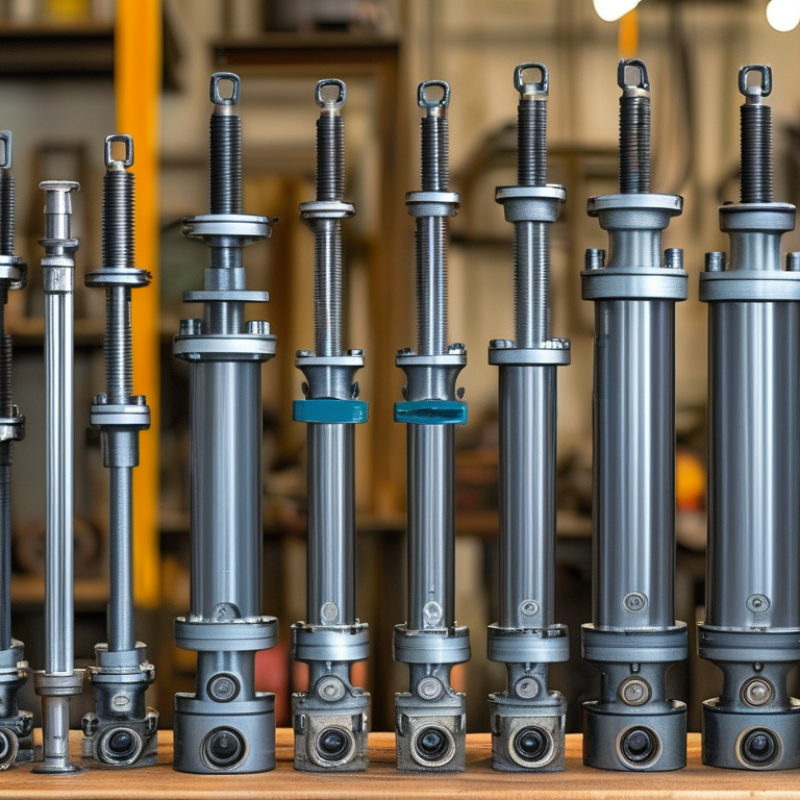
Another critical factor is the rod diameter. A larger diameter can handle higher loads but also adds weight. It's essential to find a balance between strength and efficiency. Take into account the stroke length as well; it must match the distance you wish to cover. Also, consider the mounting options available. Some installations may require specific types of mounts and configurations.
Finally, assess the material quality. The durability of the hydraulic cylinder is vital, especially in harsh conditions. Corrosion resistance can prolong life. Reflect on previous experiences with different materials. Did they meet your expectations? They often do not. Reliability is key in mechanical components. Test your choices under various conditions to ensure they meet your standards.
Evaluating the System's Pressure and Load Requirements
When evaluating hydraulic cylinders, understanding the system's pressure and load requirements is vital. This ensures optimal performance. According to industry reports, hydraulic systems often operate at pressures ranging from 1,000 to 3,000 psi. Knowing your specific demands will inform the selection process.
Consider the load specifications. If a cylinder is required to lift 10,000 pounds, the hydraulic pressure must be adequate to support this weight. For instance, a cylinder rated at 2,000 psi can support a load of approximately 30,000 pounds. This highlights the importance of not just meeting but exceeding the load capacity during operations.
Another aspect to reflect on is the potential for over-pressurization. It may lead to early failure. Research indicates that systems operating consistently at higher than recommended pressures can reduce lifespan by 30%. Therefore, understanding these parameters is crucial in preventing equipment malfunctions. Evaluate both pressure and load to choose the right hydraulic cylinder for your needs.
Material and Size Considerations for Rod Hydraulic Cylinders
Choosing the right rod hydraulic cylinder requires careful consideration of
material and size. The material affects durability and performance.
Steel is common for high-strength applications.
Aluminum is lighter and corrosion-resistant, ideal for portable equipment.
According to industry reports, over 70% of hydraulic cylinder failures stem from
inadequate material selection. This makes it essential to match the material with the operating environment.
Size is another critical factor. The diameter of the rod influences the cylinder's load capacity.
A larger diameter can support heavier loads and resist bending. However, increasing diameter also adds weight.
Data suggests that using a rod diameter 25% greater than the calculated requirement can enhance performance by up to 30%.
Ensure that the size chosen meets the specific requirements of your application while considering these weights and capacities.
Nonetheless, the decision-making process isn’t always straightforward. Factors such as budget constraints,
specific work conditions, and compatibility with existing equipment must be assessed. It can be tempting to
opt for the quickest choice. However, reflecting on these decisions, along with professional consultation,
will help prevent costly mistakes.
It’s crucial to conduct thorough research and align your choices with both
industry standards and operational demands.
Maintenance and Longevity Tips for Your Chosen Cylinder
When selecting a rod hydraulic cylinder, knowing how to maintain it is crucial for maximizing its lifespan. Industry data suggests that proper maintenance can enhance cylinder longevity by up to 30%. Regular inspections to identify wear and tear are essential. This proactive approach helps prevent larger, more costly issues.
Tips for maintaining your hydraulic cylinder include keeping it clean and free from debris. Dirt can cause scratches and affect overall performance. Additionally, monitoring hydraulic fluid levels regularly ensures your system operates smoothly. Another important practice is to lubricate moving parts periodically. This helps reduce friction and extends the cylinder's operational life.
Even with the best maintenance practices, failures can occur. For instance, overextending a cylinder can lead to premature wear. It's important to remain aware of load limits during operation. Implementing a routine maintenance schedule can mitigate unexpected breakdowns. Make sure to document inspections and repairs. This documentation aids in identifying patterns in cylinder performance and maintenance issues.

 +86-13349293098
 Contact WhatsApp
 Contact Email