Essential Tips for Choosing a Hydraulic Lift Cylinder?
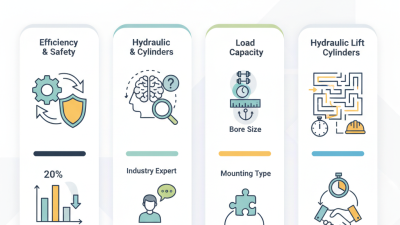
Choosing the right Hydraulic Lift Cylinder is a crucial decision for various applications. Selecting the correct cylinder affects efficiency, safety, and satisfaction in operations. The market offers numerous options, which can be overwhelming for buyers.
A reliable hydraulic lift cylinder should match specific requirements. Factors such as load capacity, stroke length, and mounting style play vital roles. Understanding these specifications can ensure optimal performance in demanding environments. Many buyers overlook the importance of proper sizing and end up facing operational challenges.
It is essential to consider the manufacturer's reputation as well. A trusted brand provides assurance of quality. Researching customer reviews and industry feedback can give valuable insights. Sometimes, consumers hesitate to invest more in reliable options. However, in the long run, this choice can prevent costly downtime and repairs.
Factors to Consider When Selecting a Hydraulic Lift Cylinder
When selecting a hydraulic lift cylinder, several critical factors should influence your decision. Understanding your specific application is paramount. Define the load requirements clearly. Assess the height the cylinder should lift and ensure it meets your needs. The type of hydraulic fluid utilized also plays a significant role. Compatibility can impact performance and safety.
Tips for a successful selection include examining the operating pressure. Ensure that the cylinder can handle the required pressure without compromising safety. Think about the material—durability is crucial for a long lifespan. Certainly, corrosion-resistant options can be valuable, especially in harsher environments. Don't forget to consider the mounting types available. Choosing the right mounting can significantly affect cylinder performance.
Another important point is maintenance. While most cylinders require regular checks, some may need more frequent attention. Consider ease of access for maintenance tasks. It might also be worth reflecting on whether you have the technical expertise in-house. The reliability of the supplier is also essential. Choose one with a proven track record to avoid potential issues later.
Understanding the Load Requirements for Your Application
Choosing the right hydraulic lift cylinder requires a clear understanding of your load requirements. An essential aspect is determining the weight of the items being lifted. Overestimating can lead to unnecessary expenses. Underestimating can cause equipment failure or safety hazards. You must assess the maximum load capacity of the cylinder accurately.
Consider the application environment as well. High temperatures or corrosive substances can affect the lift cylinder's lifespan. This is crucial for outdoor settings or industrial environments where conditions vary greatly. Material selection is just as important. Opt for durable materials that can withstand your specific conditions.
One tip is to always account for the system's safety factor. This reduces the risk of overloads. Another critical consideration is the cylinder stroke length. It directly affects how high you can lift. Ensure it matches your requirements exactly. You may find that slight adjustments to specifications can enhance performance. Take your time to reflect on your choices, as the right selection can lead to improved efficiency and safety in your operations.
Types of Hydraulic Lift Cylinders and Their Uses
When selecting a hydraulic lift cylinder, understanding the various types is essential. There are generally two main categories:
single-acting and
double-acting cylinders.
Single-acting cylinders are used for lifting applications where force is needed only in one direction. These cylinders utilize the power of hydraulic fluid to lift a load, while gravity helps return it to its original position. They are often found in applications like car jacks.
Double-acting cylinders provide lifting and lowering capabilities. They use hydraulic fluid to move in both directions, ensuring precise control during operations. These cylinders are ideal for lifting heavy objects, such as construction equipment. They can generate more power and do not rely solely on gravitational assistance. This characteristic makes them suitable for applications requiring constant load management.
Choosing the right type often requires careful consideration. Misjudging load capacities can lead to equipment failure. It’s vital to assess the intended use and environment to avoid costly mistakes. Users may overlook the significance of environmental factors, such as temperature and moisture, which can affect hydraulic performance. Thoughtful decision-making is crucial for ensuring efficiency and safety in operations.
Material and Design Specifications for Durability
When selecting a hydraulic lift cylinder, the choice of material and design is crucial for durability. Most cylinders are made from high-strength steel or aluminum alloys, with steel often preferred for heavy-duty applications. According to industry reports, steel cylinders can withstand pressures up to 5000 PSI, ensuring reliability under load.
Tips: Always check the tensile strength of the material. A higher tensile strength means a longer lifespan.
Design specifications also play a significant role. Features like piston design and seal quality can greatly affect performance. For example, a rod with a hard chrome surface enhances wear resistance. Industry studies reveal that proper seal materials can extend service life by over 30%.
Tips: Evaluate the seal compatibility with hydraulic fluids. Choosing the right seal can prevent leaks and failures.
Attention to these details not only affects the efficiency of the lift but also ensures safety during operation. Evaluating added features and understanding material properties will aid in making a wisely informed decision.
Importance of Compatibility with Hydraulic Systems
Choosing the right hydraulic lift cylinder isn't just about size and capacity. Compatibility with your hydraulic system plays a crucial role. If the cylinder isn't compatible, you may face performance issues. For instance, mismatched pressure ratings can lead to failures. Analyzing your system’s specifications will greatly enhance functionality.
When selecting a hydraulic lift cylinder, consider these tips. Review the pressure and flow requirements of your system. Ensure the cylinder can handle these demands effectively. Additionally, check the mounting options and dimensions. If the cylinder's dimensions are incorrect, installation will be problematic.
Another key point is material compatibility. Different materials react uniquely to hydraulic fluids. Incompatible materials may lead to corrosion or leaks. Regularly inspect these components to ensure they are functioning properly. In the end, reflect on your choices and be ready to adapt as necessary. Mistakes can provide valuable insights into your future selections.
Essential Tips for Choosing a Hydraulic Lift Cylinder
| Dimension |
Specification |
Importance |
| Bore Diameter |
From 1" to 12" |
Determines the lifting capacity and force |
| Stroke Length |
Up to 48" |
Affects the maximum lift height |
| Rod Diameter |
From 0.5" to 4" |
Influences durability and load handling |
| Operating Pressure |
Up to 3000 PSI |
Essential for system compatibility |
| Material |
Steel and Aluminum options |
Affects weight, strength, and corrosion resistance |
| Mounting Style |
Tie Rod, Flange, Side Mount |
Ensures proper installation and functionality |
| Seal Type |
U-cup, O-ring, Lip seals |
Critical for preventing leaks and maintaining pressure |

 +86-13349293098
 Contact WhatsApp
 Contact Email