+86-13349293098


The global hydraulic cylinder market is expanding, but choosing a supplier requires more than comparing catalog prices. Grand View Research estimated the market at approximately USD 14.2 billion in 2023. Its report projects continued growth through 2030, supported by construction machinery, agricultural equipment, mining, and industrial automation. These sectors demand reliable force, precise movement, and resistance to dust, vibration, and pressure spikes.
Hydraulic Oil Cylinder selection is therefore a practical engineering decision. Bore diameter, stroke length, working pressure, seal material, rod coating, and mounting design all affect service life. A cylinder may look excellent on a clean test bench, yet fail early beside a quarry loader. That difference matters.
Peter Nachtwey, founder of Delta Computer Systems and a respected motion-control specialist, has repeatedly stressed, “Hydraulics is not dead.” His point remains relevant. Modern manufacturers are combining proven hydraulic designs with sensors, digital control, condition monitoring, and improved sealing systems. The best suppliers do not simply produce steel tubes and pistons. They validate fatigue performance, control contamination risks, and provide application support after delivery.
This China Top 10 Hydraulic Oil Cylinder Manufacturers overview examines companies through a buyer’s lens. It considers manufacturing capacity, customization, testing, certifications, export experience, and field reliability. Rankings can never be perfectly universal. A supplier suited to a 20-ton excavator may not fit a compact agricultural machine. That limitation deserves attention. Data from industry reports helps establish market context, but real purchasing confidence still depends on documented tests, transparent specifications, and performance under actual working conditions.
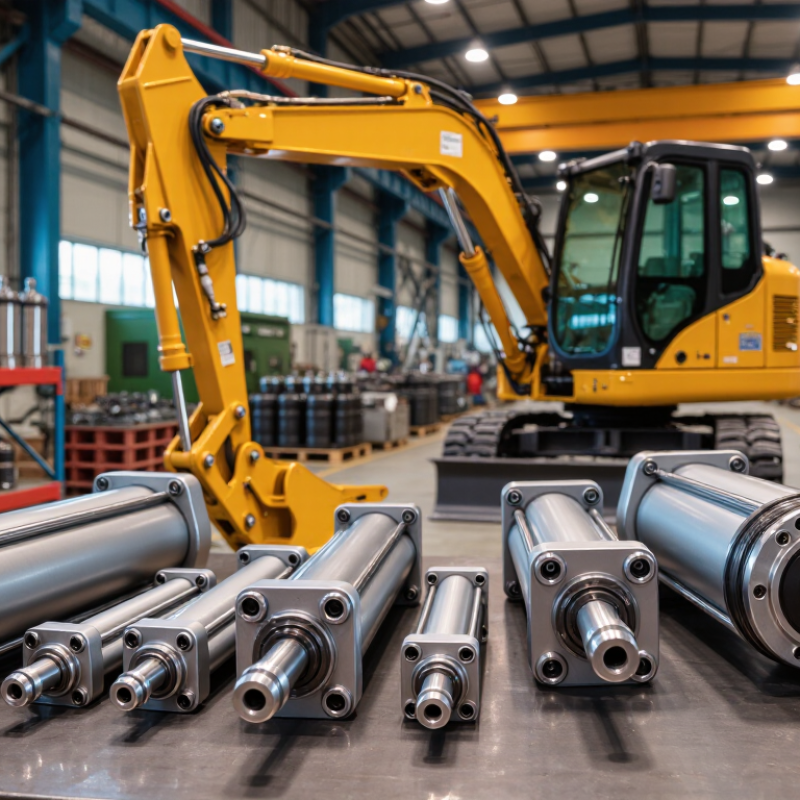
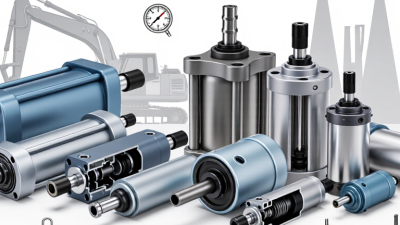
Hydraulic oil cylinders convert pressurized fluid into controlled linear force. In China’s hydraulic manufacturing sector, reliable designs are used in excavators, agricultural equipment, presses, and lifting systems. A piston moves inside a honed barrel, while seals prevent leakage and guide the rod. Small details matter. Poor alignment can create side loads, heat, and early seal damage.
Single-acting cylinders use oil for movement in one direction and rely on a spring, gravity, or external force for return. Double-acting cylinders use pressure on both sides of the piston, providing better control and repeatable motion. Telescopic types offer long strokes in compact spaces.
Tie-rod and welded cylinders suit different loads, mounting methods, and maintenance needs. In practice, the best type depends on stroke length, duty cycle, installation space, and contamination levels.
Pressure ratings require careful interpretation. A cylinder rated for 250 bar operates at about 25 MPa, but this is not a universal safe target. Working pressure, proof pressure, shock loads, and fatigue limits must be checked separately. Bore diameter determines pushing force, while rod diameter affects retraction force and buckling resistance.
For example, a 100 mm bore produces roughly 196 kN at 250 bar before losses.
Real systems deliver less. I have found that catalog figures can hide installation weaknesses, especially during sudden load changes. Engineers should verify seals, ports, mounting pins, hoses, and relief-valve settings before approval.
China Top 10 Hydraulic Oil Cylinder Manufacturers
China’s Top 10 Hydraulic Oil Cylinder Manufacturers by 2024 Industry Criteria
In 2024, evaluating hydraulic oil cylinder manufacturers requires more than comparing prices. Industry buyers examine steel quality, machining accuracy, sealing systems, testing records, and delivery performance. The leading ten should demonstrate stable production across agricultural, construction, lifting, and industrial applications.
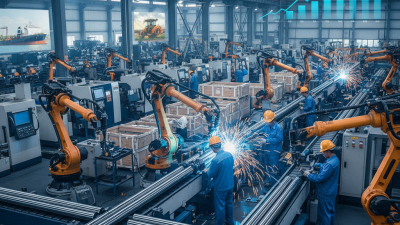
Practical experience matters. A reliable manufacturer can explain piston rod hardness, tube honing tolerance, welding procedures, and surface protection without vague promises. Its factory should provide pressure-test reports, dimensional inspection records, and traceable material documentation. Look for production lines with automated welding, precision grinding, and controlled assembly areas. Small details matter.
Customization is another important criterion. Strong suppliers can adjust bore diameter, stroke length, mounting style, operating pressure, and coating requirements. They also support prototype testing before larger orders. However, no ranking is flawless. Public information may be incomplete, and delivery claims can change during busy seasons. Buyers should verify samples, inspect packaging, and request recent quality data. After-sales response also deserves attention, especially when a cylinder leaks beside a dusty jobsite or stops under heavy load. A dependable manufacturer treats these events as engineering feedback, not merely customer complaints.
Standardized nominal working-pressure benchmarks for hydraulic oil cylinder evaluation
The chart uses internationally recognized ISO hydraulic cylinder series as a pressure benchmark: ISO 6020/1 is rated at 160 bar, while ISO 6020/2 and ISO 6022 are rated at 250 bar. Working pressure is one of the key technical criteria used when comparing hydraulic oil cylinder manufacturing capability.
China’s leading hydraulic oil cylinder manufacturers differ in scale, specialization, and export readiness. Grand View Research reports continued growth in the global hydraulic cylinder market, driven by construction, agriculture, mining, and material handling. This demand rewards factories with integrated machining, deep-hole honing, robotic welding, and pressure testing. A serious manufacturer should disclose bore diameter ranges, stroke limits, working pressure, sealing options, and batch traceability. Numbers need context.
Manufacturer profiles should also examine standards and market experience. ISO 9001 certification supports process control, but certification alone cannot prove field reliability. Buyers should request fatigue-test records, cleanliness data, dimensional reports, and evidence of corrosion protection. According to MarketsandMarkets, industrial automation and mobile equipment remain major demand areas for hydraulic components. Therefore, suppliers serving both domestic projects and overseas markets need flexible engineering teams, multilingual documentation, and stable spare-parts support. Some profiles look impressive, yet their after-sales evidence may be thin. That deserves careful review.
Tips: Compare test capacity, not only factory size. Ask whether production testing covers every cylinder or selected samples. Check welding procedures, seal sourcing, and failure-response times. For harsh environments, specify rod coating thickness and salt-spray results. The ISO 9001 framework helps, but practical inspection still matters. A factory visit can reveal details that brochures hide, such as uneven honing marks, crowded assembly areas, or incomplete traceability. Supplier evaluation is never perfectly objective; cost pressure can quietly weaken quality decisions.
Hydraulic cylinder selection should begin with load calculations, not catalogue popularity. Under ISO 6020/2, standard cylinders are designed around a 160 bar nominal pressure. A 100 mm bore produces about 125.7 kN theoretically at that pressure. Real output is lower because of friction, leakage, and pressure losses. Allow at least 10% to 20% reserve capacity for demanding cycles. A 2024 Grand View Research assessment forecasts approximately 4.5% annual growth in the global hydraulic cylinder market through 2030. This trend increases demand for interchangeable, carefully specified designs.
Bore controls force, while stroke defines movement distance. Measure the actual travel, including cushioning space and mechanical clearances. A long stroke may require a larger rod to resist buckling. Rod diameter, mounting style, side loads, and cycle frequency deserve equal attention. They are often neglected. ISO 6020/2 mounting dimensions can support easier replacement, but compatibility still requires checking ports, seals, tolerances, and retracted length.
I would not select a cylinder from pressure alone. That shortcut looks efficient, yet it can produce unstable motion and premature seal wear. Keep a calculation sheet showing working pressure, required force, bore, stroke, rod size, mounting arrangement, and safety factor. Verify the final selection through supplier drawings and application testing.
China’s top 10 hydraulic oil cylinder manufacturers differ sharply in quality control. Experienced buyers should inspect steel certificates, sealing materials, and surface hardness records. A polished appearance proves little. Bore tolerance and rod straightness matter more during continuous operation. In practice, small machining errors can cause leakage, vibration, or uneven movement. Customization also deserves careful review. Reliable suppliers should adapt mounting points, stroke length, working pressure, and port positions to the equipment. They should confirm drawings before production, not after problems appear.
Testing separates capable manufacturers from ordinary suppliers. Ask for pressure testing, endurance testing, cleanliness checks, and welding inspections. Test records should identify the cylinder number, pressure level, duration, and inspector. Photos help, but traceable data is stronger evidence. Some suppliers offer impressive reports with limited technical detail. That should invite questions. A realistic comparison also checks whether testing reflects actual working conditions, including temperature changes and side loads. No catalogue can replace this step.
After-sales service affects operating costs long after delivery. Suppliers should provide installation guidance, spare seal kits, maintenance instructions, and response times. Clear warranty terms are essential. They should explain exclusions, inspection procedures, and replacement responsibilities. Communication quality is easy to test: send a technical question and measure the clarity of the reply. Fast answers are not always useful answers. One weakness often appears here. Some manufacturers promise broad support but lack local service capacity, causing delays when a cylinder fails. Supplier evaluation should therefore include documented case handling, available parts, and realistic delivery commitments.