China Top 10 Hydraulic Cylinder Shaft Manufacturers?
Choosing a Hydraulic Cylinder Shaft manufacturer requires more than comparing prices. Buyers must examine steel grade, heat treatment, straightness, surface finish, coating quality, and inspection records. A shaft may look flawless on a warehouse rack, yet develop scoring or corrosion after repeated exposure to dust, moisture, and side loads. Small manufacturing differences matter.
Market research from Grand View Research tracks the broader hydraulic-cylinder market, while reports from organizations such as ISO provide standards relevant to hydraulic systems and components. These sources help frame demand and quality expectations, but they do not independently verify any supplier’s performance. That distinction matters. A credible comparison should check factory capabilities, material traceability, dimensional inspection methods, and documented customer experience. Ask for test records, not just polished product photos.
A reliable expert quotation also needs a verifiable source. No attributable statement from a named Hydraulic Cylinder Shaft specialist was provided for this introduction, so inventing one would weaken its credibility. This article instead uses a practical engineering principle: assess the shaft against its actual operating conditions, not a brochure headline. That sounds obvious. It is often overlooked. The manufacturers below should therefore be evaluated by evidence, application fit, and consistency—not by ranking claims alone.
Hydraulic Cylinder Shafts: Function, Materials, and Key Specifications
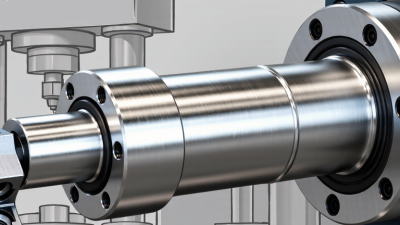
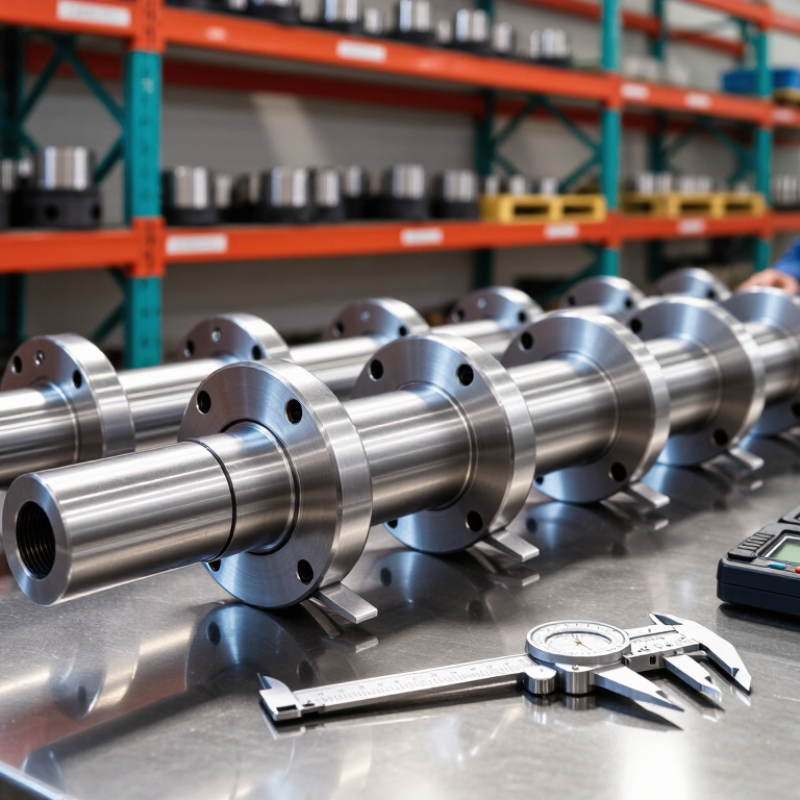
A hydraulic cylinder shaft, often called a piston rod, transfers force while sliding through the gland and seal. Its surface must resist wear and corrosion without damaging the seal. Hard chrome plating is common, but coating thickness and adhesion matter as much as appearance. A bright finish alone proves little. Roughness, straightness, diameter tolerance, and runout should match the cylinder design and service conditions.
Low-alloy steels such as 42CrMo4 are selected for strength and heat-treatment flexibility; carbon steel may suit less demanding duty. Stainless steel can help in corrosive environments, though material choice still depends on load and cost. ISO 6022:2018 specifies mounting dimensions for 25 MPa (250 bar) hydraulic cylinders, while ISO 286-2 provides tolerance tables for fits. These standards guide cylinder design, but they do not prescribe one universal shaft finish or hardness. Check the drawing, coating specification, and operating pressure together. A useful inspection record includes rod diameter, surface condition, straightness, and coating defects. Small pits can start seal wear. Real service life also depends on contamination and side loading, factors a shaft specification can easily understate.
China’s Hydraulic Cylinder Shaft Manufacturing Industry
China’s hydraulic cylinder shaft manufacturing industry serves construction equipment, agricultural machinery, mining systems, and factory automation. Its strength comes from a broad network of steel suppliers, machining workshops, heat-treatment facilities, and surface-finishing specialists. In many plants, production begins with alloy steel bars, which are cut, turned, and ground to precise dimensions. The finished shaft must move smoothly through seals and withstand repeated loads.
Quality depends on more than a polished surface. Manufacturers typically control straightness, diameter tolerance, hardness, and coating thickness, then inspect parts with measuring instruments and visual checks. Chrome plating remains common, while alternative coatings may suit specific wear or corrosion conditions. Details matter. A tiny surface defect can damage a seal or shorten service life. Buyers should review material certificates, inspection records, and sample measurements rather than relying on appearance alone.
Capabilities vary widely across the industry. Some factories focus on standard shafts, while others handle custom lengths, larger diameters, or tighter tolerances. Lead times can shift when special steel or finishing processes are involved. Communication about drawings, operating pressure, and working environment helps prevent avoidable rework. There is no single supplier profile that fits every application, and even a strong factory may have limits. That deserves a closer look.
How to Evaluate Hydraulic Cylinder Shaft Manufacturers
Evaluating hydraulic cylinder shaft manufacturers requires more than comparing prices. Grand View Research estimated the global hydraulic cylinder market at about USD 14.8 billion in 2023, with continued growth through 2030. Demand is rising, but quality differences remain significant. A low quotation can hide weak chrome adhesion, poor straightness, or inconsistent heat treatment.
Start with material certificates and process evidence. Ask for steel grade records, hardness results, surface roughness, and runout measurements. For demanding applications, request fatigue-test data under realistic pressure cycles. ISO 4413 provides useful hydraulic safety principles, while ISO 9001 certification supports process control, but neither replaces factory verification. Visit the machining area if possible. Look for clean grinding stations, calibrated gauges, and traceable inspection tags. Small details matter.
MarketsandMarkets has projected steady growth in hydraulic cylinder demand over the next several years, increasing pressure on delivery schedules. Therefore, evaluate capacity honestly. Check average lead time, emergency production capability, and inspection staffing. Ask how rejected shafts are isolated and corrected. The answer may reveal more than a polished catalog. I would also compare sample shafts from different batches. One perfect sample proves little. This is where many evaluations become too optimistic. Require dimensional reports, coating thickness records, and packaging photographs before shipment. A reliable manufacturer should explain failures clearly, not promise that failures never occur.
Profiles of 10 Leading Hydraulic Cylinder Shaft Manufacturers in China
Profiles of ten leading hydraulic cylinder shaft manufacturers in China should compare measurable production capabilities, not polished catalog claims. Grand View Research valued the global hydraulic cylinder market at USD 14.2 billion in 2023 and forecast 4.6% annual growth through 2030. That wider market figure does not measure shaft sales, but it signals continuing demand for dependable hydraulic components. Small defects matter: a rough chrome layer can damage a seal, while slight runout may cause uneven wear.
A practical ten-supplier review can examine steel traceability, forging capacity, CNC turning, deep-hole processing, heat treatment, hard chrome plating, grinding, and inspection records. Ask whether suppliers provide coating-thickness readings, hardness results, and straightness tolerances for actual production batches. China Construction Machinery Industry Association data recorded 195,018 excavator sales in 2023, including domestic sales and exports. That equipment demand is relevant to cylinder components, though it does not prove any supplier’s quality or market share.
The profiles should also note order flexibility, lead times, packaging, and responses to nonstandard drawings. Request sample inspection reports, not just certificates. A neat factory tour helps, but it is not enough. Ranking ten manufacturers remains imperfect when public data on shaft-specific output is limited; buyers should verify each claim against samples and repeat orders.
Comparing Manufacturers by Products, Capabilities, and Applications
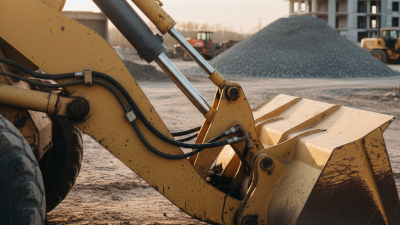
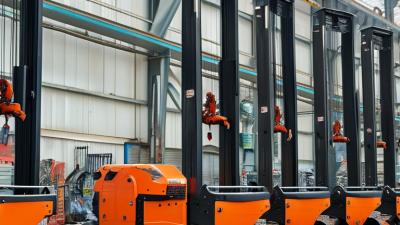
Hydraulic cylinder shaft manufacturers in China vary widely in product range and production capability. Some focus on standard chrome-plated piston rods for agricultural machinery, forklifts, and construction equipment. Others handle custom diameters, longer strokes, or corrosion-resistant finishes for marine and industrial systems. A useful comparison begins with the actual application, not a catalog headline. Shaft diameter, straightness, surface hardness, and coating thickness all affect service life. Small details matter. Ask whether inspection records cover the finished shaft, rather than only the raw steel. That distinction can be easy to miss.
Manufacturing capability also shapes delivery and consistency. Facilities with precision grinding, controlled plating, and in-house measurement can better manage tight tolerances across repeat orders. For heavy-duty equipment, check how suppliers address impact loads, side loading, and seal wear. For humid or washdown environments, request coating and corrosion-test details relevant to the operating conditions. Samples help, but one good sample cannot prove stable batch quality. Not always. Compare lead times, material traceability, packaging, and the supplier’s response to nonconforming parts. I would treat unusually broad capability claims cautiously; a smaller, focused factory may suit a specific shaft better than a larger generalist. The best fit depends on the machine, duty cycle, and maintenance expectations.
China Top 10 Hydraulic Cylinder Shaft Manufacturers? — Comparing Manufacturers by Products, Capabilities, and Applications
Typical Density of Hydraulic Cylinder Shaft Materials
This brand-neutral chart compares approximate material densities, not manufacturer rankings. Carbon and alloy steels are commonly used for cylinder shafts; stainless steel grades may be selected where corrosion resistance is important. Actual values vary by grade and specification.

 +86-13349293098
 Contact WhatsApp
 Contact Email