Leave Your Message

7 Tips for Choosing Agricultural Cylinders

Agricultural Cylinders work in demanding, highly varied conditions, from dusty hay fields to wet, corrosive livestock facilities. The right choice affects lifting capacity, cycle speed, machine uptime, and operator safety. Yet a cylinder that looks suitable on paper may struggle when its rod is exposed to grit or its mounting points bind under load. Small details matter.

The USDA’s 2022 Census of Agriculture counted about 1.9 million U.S. farms and reported an average producer age of 58.1 years. This national snapshot is not a cylinder-market report, but it illustrates the diversity of farm sizes and operating needs that equipment must serve. Hydraulic-control author Herbert E. Merritt’s work offers a useful principle, paraphrased here: choose components for real system conditions, not catalog figures alone. That means checking load, stroke, operating pressure, mounting geometry, rod protection, seals, and expected duty cycle before comparing prices. A clean specification sheet cannot show every muddy-field complication. This guide presents seven practical checks to help buyers assess Agricultural Cylinders with greater confidence, ask suppliers sharper questions, and avoid mismatches that lead to leaks, uneven movement, or premature wear.
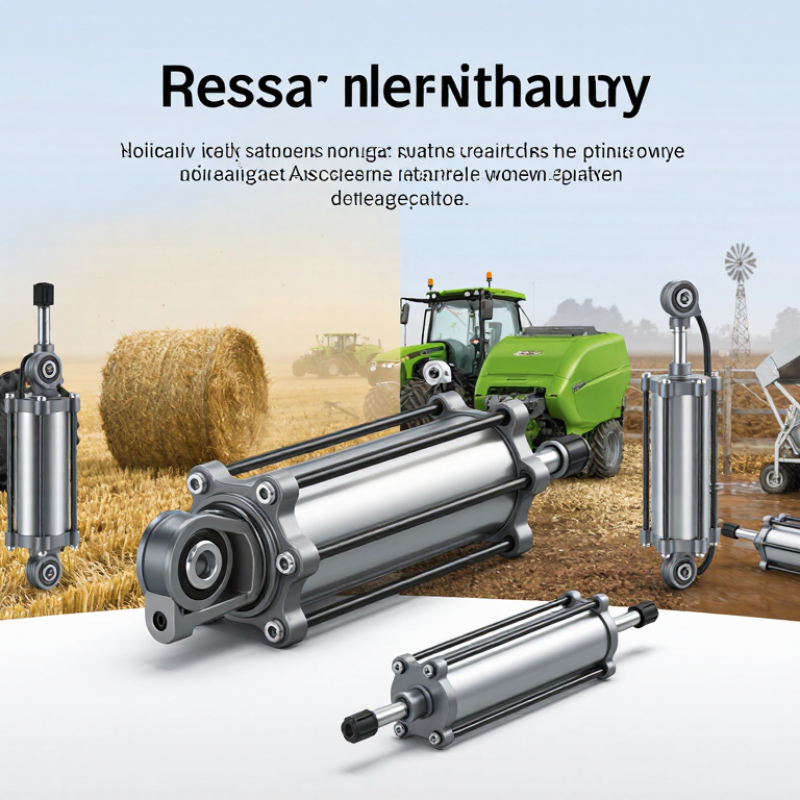
7 Tips for Choosing Agricultural Cylinders

Understanding the Role of Agricultural Cylinders

A hydraulic cylinder converts pressurized fluid into straight-line force, allowing tractors and implements to lift, tilt, steer, or position working parts. That motion is easy to overlook until a loaded bucket hangs unevenly or a cultivator fails to hold its depth. Then the cylinder’s bore, stroke, mounting points, and seals become practical details. Small parts matter.

USDA NASS’s 2022 Census of Agriculture counted 1.9 million U.S. farms across 880 million acres, reflecting the varied scale of agricultural work. The census does not measure cylinder use, but it underscores why one duty cycle cannot represent every operation. Repeated loader movements create different heat and wear patterns from occasional implement adjustments. Check rated pressure and stroke against the equipment manual; outside dimensions alone do not establish capacity.

In practice, match the cylinder to the load path, required travel, pin geometry, and available hydraulic flow. Inspect rod scoring, oil leaks, loose pins, and hoses before diagnosing sluggish movement. A correctly sized cylinder can still perform poorly if contaminated oil or misalignment damages its seals. That distinction deserves attention.
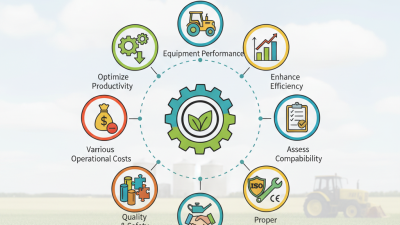

Matching Cylinder Specifications to Equipment Requirements

Matching cylinder specifications to equipment requirements starts with the machine’s actual load, not the space available for a replacement. The USDA’s 2022 Census of Agriculture counted 1,900,487 U.S. farms, averaging 463 acres each. Those figures do not size a cylinder, but they underline how widely equipment duties can differ. Check the implement’s rated load, linkage geometry, and maximum hydraulic pressure. Then calculate force from pressure and piston area. A larger bore can increase force, but it also needs more oil to move at the same speed. Measure the required stroke with the attachment in its working position, not only when parked. Small difference. It matters.

Match the rod diameter, mounting style, and pin dimensions to the equipment’s loads and movement. Side loading can damage seals and bend rods, even when the cylinder’s force rating looks adequate. Check available pump flow, too: it affects cycle time and heat. ASABE’s D497.7 Agricultural Machinery Management Data provides machine-specific performance data; use the relevant implement data alongside the manufacturer’s operating specifications, rather than treating a general estimate as a design limit. Inspect hoses and fittings for pressure ratings, and confirm the cylinder can tolerate the working environment, including dirt and impact. One awkward point: field measurements are easy to rush. Recheck them before ordering.

7 Tips for Choosing Agricultural Cylinders - Matching Cylinder Specifications to Equipment Requirements
Tip Equipment Requirement Specifications to Check Practical Guidance
1. Define the load and force needed Expected load, direction of force, and whether the cylinder pushes, pulls, or both. Cylinder bore, rod diameter, and rated pressure. Estimate force using piston area × operating pressure. For a single-rod cylinder, retraction force is lower than extension force because the rod occupies part of the piston area. Include a suitable engineering margin for shock loads and changing conditions.
2. Match stroke to the machine’s travel Required movement between fully retracted and fully extended positions. Stroke length, closed length, and available mounting space. Measure the mechanism at both endpoints. The cylinder must provide the required travel without bottoming out or forcing the linkage past its intended range. Stroke lengths vary widely; approximately 100–600 mm is common in many mobile applications, but the machine’s geometry determines the correct value.
3. Verify pressure compatibility Hydraulic supply pressure and pressure spikes produced by the equipment. Maximum working pressure, test pressure, and system relief-valve setting. Use a cylinder rated for the system’s actual maximum working pressure. Many agricultural hydraulic systems operate in the approximate 14–21 MPa (2,000–3,000 psi) range, but pressures differ by machine. Never treat test pressure as allowable continuous working pressure.
4. Select a suitable mounting arrangement Pivoting motion, alignment, and loads transferred through the cylinder mounts. Clevis, pin-eye, trunnion, or flange mounting; pin diameter; mounting width. Choose mounts that match the machine and allow the required articulation. Pin-mounted cylinders can accommodate pivoting movement, while misalignment can cause side loading, accelerated seal wear, or rod damage. Confirm pin sizes and clearances before ordering.
5. Check rod strength and buckling risk Long strokes, heavy pushing loads, and unsupported rod extension. Rod diameter, stroke, cylinder installation length, and load direction. Rod strength depends on more than bore size. Long, extended rods under compression are more susceptible to buckling, especially when poorly supported or misaligned. Have the cylinder manufacturer or a qualified engineer check buckling for high-load or long-stroke applications.
6. Specify seals and protection for field conditions Dust, mud, moisture, temperature variation, and exposure to agricultural chemicals. Seal material, wiper type, rod finish, corrosion protection, and temperature range. Use seals compatible with the hydraulic fluid and the equipment’s operating temperature. A suitable rod wiper helps limit dirt entering the cylinder. For outdoor use, consider corrosion-resistant finishes and inspect the rod regularly for scratches or rust that can damage seals.
7. Confirm hydraulic connections and operating speed Available hoses, fittings, pump flow, and desired cycle time. Port thread and size, hose routing, cylinder volume, and flow rate. Match ports and fittings to the machine’s hydraulic lines; confirm thread type rather than relying on appearance alone. Cylinder speed depends on oil flow and piston area. Check that hoses can move freely through the full range and are protected from pinching, abrasion, and heat.
Note: Dimensions and pressure ranges shown are general selection guidance, not universal specifications. Always confirm the machine manufacturer’s requirements, measured mounting dimensions, hydraulic-system limits, and the cylinder supplier’s rated data before installation.

Evaluating Pressure, Load, and Operating Conditions

An agricultural cylinder should be selected for real working pressure, not just the machine’s advertised average. Check the hydraulic system’s maximum pressure, including brief spikes when an implement hits hard ground. The cylinder’s rated pressure must cover that demand with a suitable safety margin. Pressure is only part of the picture. A smaller bore may fit neatly, yet provide too little force at the available pressure.

Estimate the load the cylinder must move, then account for weight, friction, and changing leverage through the stroke. Compare the required force with the cylinder’s force at both extension and retraction; the rod reduces effective area during retraction. Check stroke length and pin-to-pin dimensions in the machine’s actual working positions. A few millimetres can matter. Side loading is easy to overlook, but it can wear seals and bend a rod. Use suitable pivot mounts to keep force aligned.

Operating conditions shape service life. Consider muddy exposure, washdown, dust, temperature swings, and how often the cylinder cycles each day. Protect exposed rod surfaces from impact and corrosion, and confirm that seals suit the expected temperature range. Inspect hoses and fittings too; pressure losses or leaks can undermine an otherwise sound choice. Leave room for maintenance access. In practice, load estimates are rarely perfect, so verify assumptions against the implement’s behavior under controlled working conditions.

Checking Mounting Dimensions and Material Durability

7 Tips for Choosing Agricultural Cylinders

Checking Mounting Dimensions and Material Durability

Measure the machine before selecting a replacement cylinder. Record pin diameter, mounting width, and pin-to-pin length with the cylinder fully retracted. Then compare the required stroke and extended length. A small mismatch can bind a linkage or leave the implement short of its working position. Check hose-port direction and nearby frame clearance, too. Paper measurements help, but a dry-fit check can catch awkward angles. It is easy to miss one.

The USDA’s 2022 Census of Agriculture counted about 1.9 million farms across 880 million acres. That range of operating conditions makes material choice highly application-specific. For wet, muddy work, inspect rod coating, seal compatibility, and corrosion protection; for abrasive dust, consider how well seals resist contamination. Match these features to the actual exposure, not just the machine’s age. Ask for documented material specifications and pressure ratings, and inspect the rod for pitting or scratches before installation. ISO 6020-2 provides mounting dimensions for a defined hydraulic-cylinder series; confirm that the cylinder and application fit its scope. It is not a substitute for checking the machine’s own loads and geometry. I would remeasure. A rushed estimate can be costly.

Comparing Maintenance Needs and Supplier Support

A cylinder’s maintenance needs depend on more than its rated force. Dust, crop residue, pressure washing, and long idle periods all affect seals and rod surfaces. Small details matter. Check whether the rod is exposed to grit, and whether fittings can be reached without removing nearby guards. A simple inspection log can track leaks, slow movement, and unusual noise across busy weeks. Ask how often seals and wipers may need inspection under your working conditions. The service manual is a starting point, not a guarantee; actual wear varies with use and cleanliness.

Supplier support matters most when a machine stops during planting or harvest. Ask for clear parts drawings, seal-kit details, repair guidance, and realistic replacement-part lead times. Can their technical staff identify a cylinder from its dimensions and photos? That saves guesswork. Also compare warranty coverage and who handles troubleshooting. Remote advice cannot confirm a bent rod or contaminated oil on site. I may give documentation too much weight, but vague parts information has caused avoidable delays. A responsive supplier should explain maintenance limits plainly, including when repair is no longer sensible.

7 Tips for Choosing Agricultural Cylinders

Compare maintenance considerations with the supplier support that can help address them.

Scores are qualitative planning ratings on a 1–5 scale, not measured industry benchmarks. Actual maintenance intervals and support needs depend on the cylinder, operating conditions, and manufacturer guidance.