What Are Red Lion Cylinders Used For?
Red Lion Cylinders are built to turn hydraulic pressure into controlled linear movement. They commonly support lifting, pushing, pulling, clamping, and positioning tasks. Their work appears in agricultural machinery, construction equipment, material-handling systems, presses, compactors, and industrial automation.
Hydraulic systems specialist Andrew W. Smith explains, “A cylinder is only reliable when its force, stroke, mounting, and operating environment match the machine.” This practical view helps explain why Red Lion Cylinders require more than a quick size comparison. Engineers must examine bore diameter, rod diameter, stroke length, pressure rating, mounting style, and available space. A small cylinder may lift a platform, but repeated side loading can damage the rod or seals. Dust, moisture, heat, and uneven alignment create additional concerns.
The application decides the right design.
Red Lion Cylinders may be selected for steady factory cycles or demanding outdoor work. In both settings, smooth movement matters. Proper filtration and clean hydraulic fluid can reduce wear. Regular inspection can reveal scoring, leakage, bent rods, or loose mounts before failure becomes expensive. Yet the picture is not always tidy. A cylinder can fit physically and still perform poorly under real loads. That is where experienced evaluation becomes valuable.
This guide examines what Red Lion Cylinders are used for, how they operate, and where they offer practical advantages. It also considers limitations that product descriptions sometimes overlook. Choosing the right cylinder is not merely a purchasing decision. It is a reliability decision.
What Are Red Lion Cylinders?
What Are Red Lion Cylinders Used For?
What Are Red Lion Cylinders?
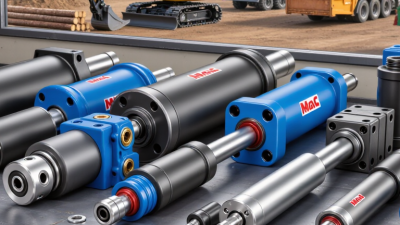
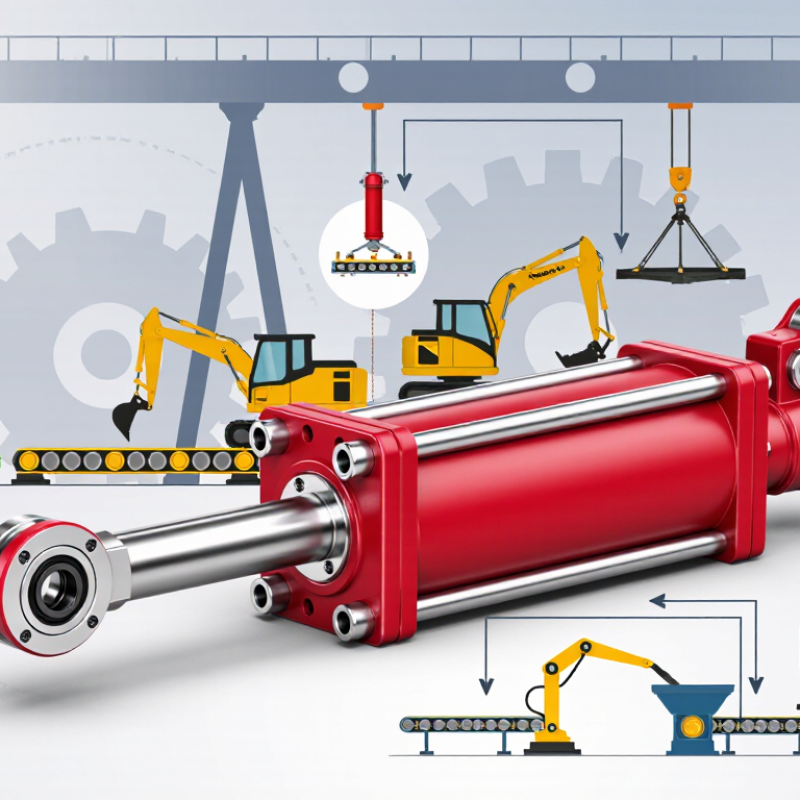
“Red lion cylinders” usually refers to hydraulic cylinders identified by a red-painted body, not a separate cylinder technology. Their main function is simple: converting pressurized hydraulic fluid into controlled linear force. Inside, fluid pushes a piston, moving a polished rod forward or backward. Bore diameter affects pushing force, while stroke length determines travel distance.
These cylinders appear in agricultural loaders, lifting platforms, construction machinery, waste compactors, and factory equipment. A typical unit may raise a heavy attachment, tilt a trailer bed, or clamp material on a production line. Grand View Research valued the global hydraulic cylinder market at approximately USD 15 billion in 2023 and expects continued growth through 2030. MarketsandMarkets also identifies construction, agriculture, and material handling as important demand sectors.
Color can help workers identify equipment quickly. It does not confirm pressure rating, seal material, or mounting compatibility. That detail is often overlooked. Before replacement, technicians should check the bore, rod diameter, stroke, retracted length, port size, operating pressure, and mounting style. A cylinder that fits visually may still fail under load. Inspecting a scratched rod, leaking seal, or bent mount in person remains valuable, although inspection alone is not enough. Manufacturer specifications and test records should support the final selection. Reports provide market direction, but field conditions decide whether a cylinder performs reliably.
What Are Hydraulic Cylinders Used For?
Hydraulic cylinders convert pressurized fluid into linear motion. They are commonly used for lifting, pushing, clamping, tilting, steering, and positioning in construction equipment, agricultural machinery, material-handling systems, and industrial machines.
The values use the physical relationship between pressure and piston area: force equals pressure multiplied by area. Actual output is usually lower because of friction, seal resistance, pressure losses, and operating conditions.
How Red Lion Cylinders Work
A red cylinder is often identified by its paint, not by a universal technical standard. In many workshops, it refers to a hydraulic cylinder used to create controlled linear movement. Pressurized hydraulic fluid enters one side of the cylinder. The fluid pushes against a piston, moving the attached rod outward or inward. This simple action can lift, clamp, tilt, or press heavy equipment.
Pressure creates force.
The cylinder’s bore size affects its pushing strength, while rod diameter influences stability and resistance to bending. Seals keep fluid inside and prevent dust from entering. Ports direct fluid through hoses, and a control valve manages the movement. A larger cylinder may produce greater force, but it usually moves more slowly. That trade-off is easy to overlook during equipment selection.
In practical maintenance, technicians check the rod for scratches, inspect seals for leaks, and listen for uneven movement. A small oil film may signal early seal wear, though not every mark means immediate failure. I would not judge a cylinder by color alone. Paint can hide corrosion, and assumptions can hide incorrect pressure ratings. The mounting points, working load, stroke length, and operating temperature must match the machine. Even experienced users sometimes overlook side loading, which can damage seals and shorten service life. Each installation deserves careful measurement before operation.
Key Features, Sizes, and Configuration Options
A red-painted hydraulic cylinder is commonly used to convert fluid pressure into controlled linear force. Typical applications include agricultural implements, lifting platforms, compact loaders, and material-handling machinery. Paint color is not a performance specification. That distinction matters.
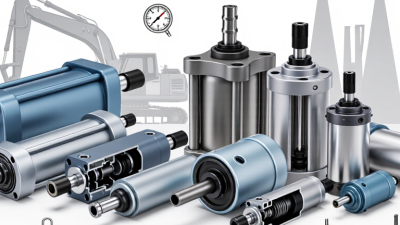
Key features include bore diameter, stroke length, operating pressure, rod diameter, seals, and mounting style. Bore size controls pushing force, while stroke determines movement distance. For example, a 50-millimeter bore produces less force than an 80-millimeter bore at the same pressure. A double-acting configuration provides powered movement in both directions. Single-acting designs usually rely on gravity or an external spring for return movement. Clevis, flange, trunnion, and foot mounts suit different frame layouts. Port location also affects hose routing and service access.
Size selection should match the machine’s load, speed, available space, and duty cycle. I would not size a cylinder by outside diameter alone. That shortcut can create bending, seal wear, or slow operation. MarketsandMarkets projected the global hydraulic cylinder market to grow from about USD 14.1 billion in 2023 to USD 18.4 billion by 2028. Grand View Research also identifies construction and agriculture as major demand sectors. These figures show market momentum, but they do not replace engineering checks. ISO 6020/2 provides useful dimensional guidance for medium-duty hydraulic cylinders. Field conditions still matter. Mud, cold starts, side loading, and imperfect alignment can change the result. A carefully chosen configuration usually outperforms a larger cylinder selected by guesswork.
 +86-13349293098
 Contact WhatsApp
 Contact Email